




















































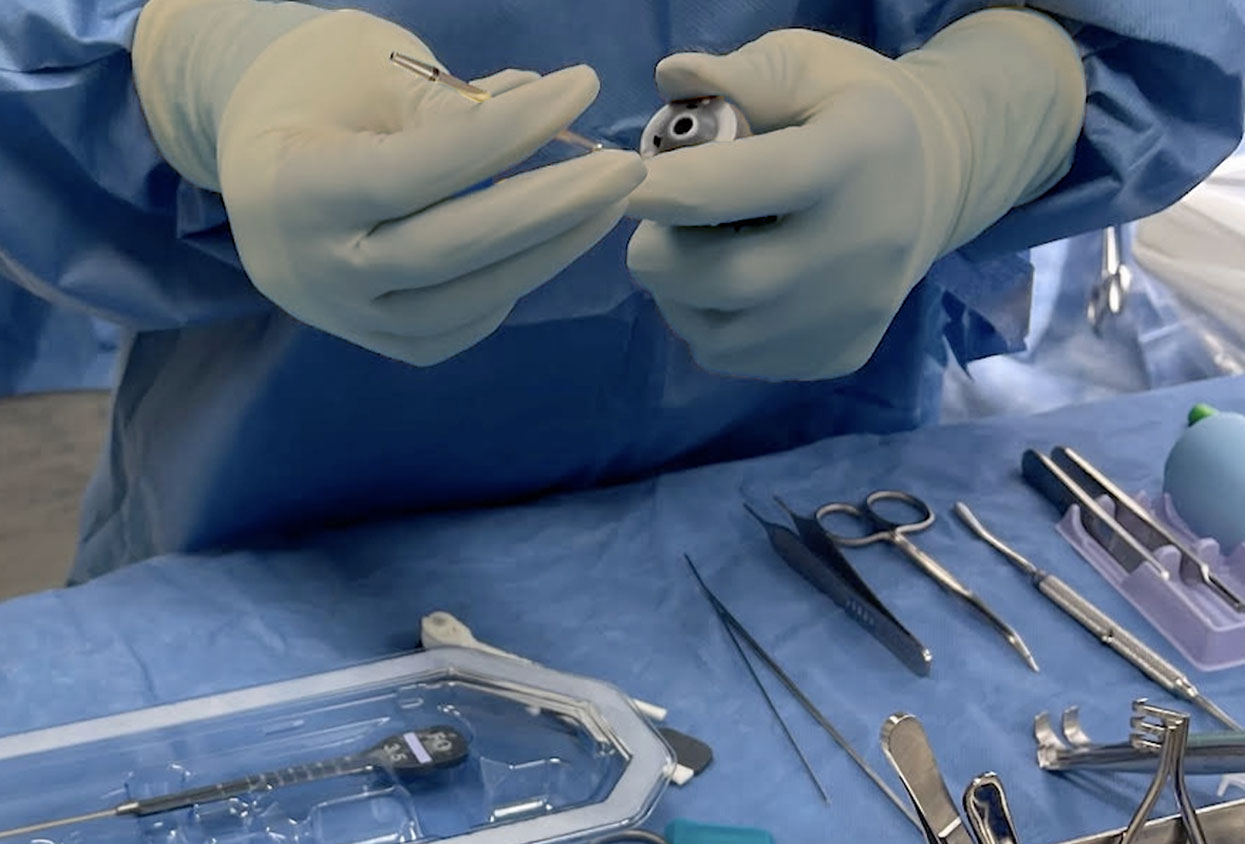
In every operating room, precision depends not only on surgical skill but also on the quality and suitability of the instruments being used. From basic clamping tools to advanced electrosurgical devices, each instrument has a specific role in supporting efficiency, control, and patient safety. For hospitals, distributors, and medical buyers, understanding these differences is essential when selecting products from reliable manufacturers.
Pakistan has built a strong reputation in the global surgical instruments market, and manufacturers such as Acheron Instruments and Surgitronix continue to represent the country’s growing strength in quality production, technical craftsmanship, and export capability. As demand rises for dependable surgical tools, informative content becomes an effective way for manufacturers to educate buyers and strengthen brand authority.


The Value of Purpose-Built Surgical Instruments
No surgical procedure is performed with one instrument alone. A successful setup depends on a complete range of tools designed for tissue handling, hemostasis, dissection, clamping, cutting, and coagulation. When instruments are engineered correctly, they improve workflow and help surgeons maintain accuracy throughout the procedure.
This is why buyers increasingly focus on more than appearance or price. They look for instruments that provide:
- Reliable grip and handling
- High resistance to corrosion
- Durable construction for repeated sterilization
- Smooth finishing and accurate alignment
- Consistent performance in clinical settings
These qualities matter across all specialties, from general surgery to gynecology, orthopedics, plastic surgery, and ENT.
Understanding Modern Surgical Needs
As surgery continues to evolve, operating rooms rely on a combination of traditional instruments and advanced energy-based devices. Medical professionals and procurement teams often research technical comparisons before choosing equipment for a facility. One common example is understanding monopolar vs bipolar cautery, a comparison that matters in procedures where precise coagulation and tissue control are essential.
Educational content on such topics helps readers make more informed decisions. It also shows that a manufacturer understands the practical side of surgical work, not just the production side. That distinction is important in a competitive market, where buyers prefer to work with suppliers who demonstrate product knowledge and clinical awareness.
By publishing useful guest posts around commonly searched surgical topics, brands can improve both trust and visibility.
The Lasting Importance of Basic Surgical Instruments
While advanced technologies receive a great deal of attention, traditional hand instruments remain the foundation of surgical practice. Among the most widely used tools in nearly every operating setting are forceps, clamps, retractors, and scissors. These instruments may appear simple, but their performance is critical to the success of a procedure.
For example, many professionals and students search for information about artery forceps uses because they are among the most essential instruments in surgical trays. Their role in clamping blood vessels and assisting with hemostasis makes them indispensable in a wide range of procedures. This highlights an important fact: even the most common instrument must be manufactured with precision if it is to function reliably under clinical conditions.
The better the instrument quality, the better the control in surgery.
Manufacturing Quality Creates Clinical Confidence
For surgical instrument manufacturers, product reliability begins long before an instrument reaches the operating room. It starts with material selection, design accuracy, forging quality, surface finishing, and final inspection. These stages directly affect how well an instrument performs in practice.
A trustworthy manufacturer focuses on:
- High-grade stainless steel
- Precise shaping and dimensional consistency
- Functional design matched to intended use
- Careful polishing and passivation
- Quality checks before packaging and shipment
This is what builds long-term confidence among distributors, hospitals, and private-label buyers. In export markets especially, consistency is often the deciding factor between an ordinary supplier and a preferred manufacturing partner.
Pakistan’s Role in the Global Surgical Instrument Industry
Pakistan, especially Sialkot, has long been recognized as a major center for surgical instrument manufacturing. The country’s success is rooted in a combination of skilled labor, technical heritage, and the ability to produce a wide range of instruments for international markets. Today, however, global buyers expect more than manufacturing capacity. They want expertise, consistency, and communication.
That is where brand positioning becomes important. Manufacturers like Acheron Instruments and Surgitronix can strengthen their market presence by publishing informative, professional content that addresses real questions from buyers and end users. A strong guest post does not simply advertise products. It offers value, builds trust, and reinforces the manufacturer’s understanding of surgical applications.
Conclusion
Surgical performance depends heavily on the quality, design, and reliability of the instruments in use. Whether discussing advanced electrosurgical techniques or the role of essential hand instruments, the core message remains the same: precision tools support better outcomes