




















































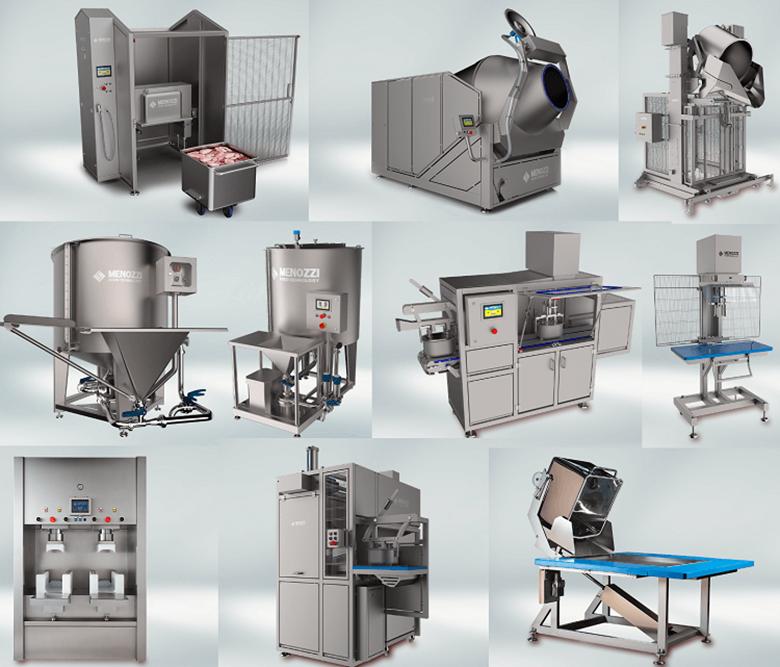
Understanding the Role of Meat Processing Equipment in Modern Food Production
Meat Processing Equipment is the backbone of the modern meat industry, enabling businesses to transform raw livestock into safe, consistent, and high-quality products. From slaughterhouses and butcher shops to large industrial facilities, Meat Processing Equipment allows producers to maintain hygiene, improve productivity, and meet growing global demand for meat products.
At its core, Meat Processing Equipment includes a wide range of machines designed to handle cutting, grinding, mixing, tenderizing, cooking, and packaging meat. Without reliable Meat Processing Equipment, processors would struggle to maintain consistency, meet safety standards, or operate at the speed required by today’s markets.


The increasing demand for processed meat products such as sausages, deli meats, and ready-to-cook items has pushed manufacturers to innovate. Modern Meat Processing Equipment now incorporates automation, precision controls, and advanced sanitation features. These improvements help reduce contamination risks, minimize waste, and ensure every batch of meat meets strict quality standards.
Another reason Meat Processing Equipment is essential is efficiency. Properly designed machines can process large volumes of meat quickly while maintaining texture and flavor. For businesses, investing in high-quality Meat Processing Equipment often translates into higher production capacity and lower labor costs.
Types of Meat Processing Equipment Used in the Industry
The category of Meat Processing Equipment includes numerous machines, each serving a specific role in transforming raw meat into finished products. Understanding these machines helps businesses choose the right equipment for their operations.
Cutting and Portioning Equipment
Cutting machines are among the most widely used types of Meat Processing Equipment. These machines help processors divide large cuts of meat into precise portions that are suitable for retail sale or further processing.
Bandsaws, slicers, and portion cutters are common examples of Meat Processing Equipment in this category. They provide consistent cuts, reduce waste, and significantly speed up production compared to manual cutting. High-quality Meat Processing Equipment also includes safety guards and automated features that protect workers while maintaining efficiency.
For large processing plants, automated cutting systems represent the next generation of Meat Processing Equipment. These systems use sensors and programmed settings to ensure each portion meets exact specifications.
Grinding and Mixing Equipment
Grinding is a critical stage in many meat products, especially ground beef, burgers, and sausages. Specialized Meat Processing Equipment known as meat grinders reduces large pieces of meat into smaller particles while maintaining texture and quality.
Commercial grinders are designed to handle large volumes, making them essential Meat Processing Equipment for high-output facilities. Many processors also combine grinders with mixers, another key category of Meat Processing Equipment used to blend spices, fats, and additives evenly throughout the meat.
Proper mixing ensures consistent flavor and product quality. Advanced Meat Processing Equipment often includes programmable controls that allow operators to manage mixing time, speed, and batch size with precision.
Sausage Stuffers and Forming Machines
Sausage production relies heavily on specialized Meat Processing Equipment designed for stuffing and forming. These machines push seasoned ground meat into casings to create uniform sausages.
Manual stuffers are still used in small butcher shops, but large manufacturers rely on automated Meat Processing Equipment capable of producing thousands of sausages per hour. This type of Meat Processing Equipment ensures consistent size, shape, and density.
In addition to sausages, forming machines represent another innovative type of Meat Processing Equipment used to create burger patties, meatballs, and other shaped products. Automated forming systems allow processors to scale production while maintaining uniform results.
How Meat Processing Equipment Improves Food Safety
Food safety is one of the most important reasons for investing in modern Meat Processing Equipment. Meat products are highly perishable and require strict handling procedures to prevent contamination.
Modern Meat Processing Equipment is designed with sanitation as a top priority. Stainless steel construction, smooth surfaces, and easy-to-clean components reduce the risk of bacteria buildup. Many manufacturers design Meat Processing Equipment with removable parts so machines can be thoroughly cleaned between production runs.
Temperature control is another key factor in safe processing. Certain types of Meat Processing Equipment include cooling systems that keep meat at safe temperatures during grinding, mixing, or slicing. Maintaining these temperatures helps prevent bacterial growth and protects product quality.
Automation also plays a role in safety. Automated Meat Processing Equipment reduces human contact with raw meat, lowering the risk of contamination. By minimizing manual handling, processors can maintain higher hygiene standards throughout the production process.
Regulatory agencies around the world enforce strict sanitation rules for meat facilities, and reliable Meat Processing Equipment helps companies meet these requirements. Facilities equipped with advanced Meat Processing Equipment often find it easier to comply with inspections and safety certifications.
Choosing the Right Meat Processing Equipment for Your Operation
Selecting the right Meat Processing Equipment depends on several factors, including production volume, product type, and available space. A small butcher shop may require only basic Meat Processing Equipment, such as grinders, slicers, and mixers. Large processing plants, on the other hand, often invest in fully automated Meat Processing Equipment systems.
Durability is a key consideration. High-quality Meat Processing Equipment must withstand heavy daily use while maintaining performance and reliability. Stainless steel components, powerful motors, and precision engineering are common features of long-lasting Meat Processing Equipment.
Ease of cleaning is another critical factor. Meat Processing Equipment that is difficult to sanitize can create food safety risks and increase downtime during cleaning procedures. Many modern machines are designed specifically to simplify sanitation.
Energy efficiency is also becoming more important. Advanced Meat Processing Equipment often includes energy-saving motors and optimized processing systems that reduce electricity consumption without sacrificing productivity.
Processors should also consider scalability. Businesses that plan to grow may benefit from modular Meat Processing Equipment that can expand as production increases.
The Future of Meat Processing Equipment
The future of Meat Processing Equipment is closely tied to technology and automation. As global demand for meat continues to rise, processors are seeking smarter and more efficient solutions.
Artificial intelligence and smart sensors are beginning to appear in advanced Meat Processing Equipment. These technologies allow machines to monitor product quality, detect inconsistencies, and adjust processing parameters automatically. This level of precision helps ensure every product meets the desired standards.
Robotics is another emerging trend in Meat Processing Equipment. Robotic cutting systems and automated handling equipment reduce labor demands while improving accuracy and consistency.
Sustainability is also shaping the development of Meat Processing Equipment. Manufacturers are designing machines that reduce waste, improve yield, and minimize water and energy usage. These improvements help processors operate more responsibly while maintaining profitability.
Another important innovation is data integration. Some modern Meat Processing Equipment can connect to digital management systems that track production metrics, maintenance schedules, and product quality. This data allows businesses to optimize their operations and make better decisions.
Why Investing in High-Quality Meat Processing Equipment Matters
For businesses in the meat industry, the quality of Meat Processing Equipment can directly impact productivity, safety, and profitability. Reliable machines ensure consistent product quality, reduce operational downtime, and help companies meet regulatory standards.
As consumer demand for processed meat products continues to grow, investing in advanced Meat Processing Equipment becomes increasingly important. Whether operating a small butcher shop or a large industrial plant, having the right Meat Processing Equipment can significantly improve efficiency and product consistency.
Ultimately, Meat Processing Equipment is more than just machinery. It represents the technology and innovation that drive the modern meat industry forward. Businesses that choose the right Meat Processing Equipment position themselves for long-term success in a competitive and rapidly evolving market.