

































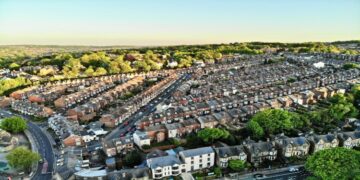


















Cities are shaped not only by planners and policymakers, but also by where capital chooses to flow. Real estate projects, business districts, and mixed-use developments all depend on long-term investment decisions. In recent years, there has been a noticeable shift in how these decisions are made. Financial return still matters, but it is no longer the only factor.
More investors are paying attention to how projects affect the surrounding area, local businesses, and the long-term character of a neighbourhood. This mindset is closely linked to social impact investing, an approach that looks at financial performance alongside broader social and economic outcomes.


What Social Impact Investing Means in Practice
Social impact investing is sometimes misunderstood as prioritising social goals over financial ones. In reality, it is about recognising that social and economic values are often connected. A well-designed urban project that supports local activity, accessibility, and sustainable use of space is more likely to remain attractive and relevant over decades.
In practice, social impact investing means asking additional questions before committing capital. How does this project integrate into its surroundings? Will it support long-term employment, entrepreneurship, or community use? Is it flexible enough to adapt as needs change?
These questions are especially important in urban development, where the lifespan of investments is measured in decades rather than years.
Urban Areas as Long-Term Investment Environments
Urban development is rarely a short-term exercise. Converting former industrial zones or underused districts into functional city quarters requires patience, coordination, and a willingness to engage with complexity. Infrastructure, zoning, and community expectations all influence outcomes.
This is where social impact investing aligns naturally with long-term investment strategies. Instead of focusing solely on immediate yield, investors consider how an area might evolve. A district that attracts innovative businesses, creative industries, and public life is more likely to retain value over time.
An investment company taking this approach is not simply funding buildings, but contributing to the creation of a functioning urban ecosystem.
Krulli Quarter as a Case of Urban Transformation
A visible example of this kind of thinking in Tallinn is Krulli Quarter. The development plans to combine residential buildings, workplaces, shops, public spaces and green areas in a compact, walkable setting where most services are within a short distance. The project incorporates heritage buildings from the former Franz Krull machine factory and will include an innovation hub, public event spaces and mixed-use structures designed in collaboration with architectural firms such as COBE and local partners, making it a blend of historic preservation and modern city life.
Projects like Krulli Quarter reflect a broader trend in city development. Instead of expanding outward, cities are increasingly redeveloping existing districts. This approach preserves urban fabric while giving new purpose to underutilised spaces.
From an investment perspective, such developments require long-term commitment. Returns are shaped not just by market cycles, but by how well the area integrates into the city and attracts sustained activity.
Why Social Impact Matters for Investors
For investors, social impact is not an abstract concept. Developments that ignore their surroundings often face challenges later, whether through regulatory friction, local opposition, or declining demand. By contrast, projects that contribute positively to their environment tend to build stronger relationships with tenants, users, and the wider community.
Social impact investing encourages investors to consider these factors early. This does not eliminate risk, but it helps identify it more clearly. In urban development, risks are rarely purely financial. They are often social, regulatory, or structural.
An investment company that incorporates social impact considerations is often better positioned to anticipate these challenges and respond to them thoughtfully.
Long-Term Value Over Short-Term Gains
One of the key differences between short-term speculation and long-term investment is time horizon. Urban districts do not mature overnight. It can take years before an area finds its identity and attracts a stable mix of users.
Social impact investing supports this longer view. Instead of maximising short-term rent or turnover, the focus is on building places that people want to return to. Over time, this can lead to more stable cash flows and lower volatility.
This approach aligns well with investors who are willing to wait for value to develop, rather than extracting it as quickly as possible.
The Role of Investment Companies in Shaping Cities
Investment companies play a central role in determining which projects move forward and how they are executed. With access to capital and professional oversight, they influence not only financial outcomes but also design choices, tenant mix, and long-term strategy.
When an investment company integrates social impact investing into its decision-making, it can help ensure that projects serve both economic and societal needs. This does not mean sacrificing discipline. On the contrary, it often requires deeper analysis and clearer priorities.
Companies such as Skaala operate within this landscape as an investment company focused on long-term value creation.
Cities, Communities, and Capital Allocation
Urban projects inevitably affect more than just investors and tenants. They shape daily life for residents, influence mobility patterns, and contribute to the economic identity of a city. Social impact investing acknowledges this reality and treats it as part of the investment equation.
In areas like Krulli Quarter, the success of development depends on how well it balances commercial activity with public use. Spaces that encourage interaction, creativity, and accessibility tend to generate lasting demand.
For investors, this balance is not just socially desirable, but economically sensible.
A Framework for Aligning Capital with the Realities of Urban Life
As cities continue to adapt to changing economic and social conditions, the role of long-term capital will become even more important. Developments that combine financial discipline with social impact considerations are more likely to remain relevant across cycles.
Social impact investing offers a framework for aligning capital with the realities of urban life. For an investment company, it provides a way to think beyond individual assets and focus on the broader systems that sustain value.
Projects like Krulli Quarter show how this approach can translate into real places with lasting significance. As more investors adopt this perspective, urban development may increasingly reflect not just what is profitable today, but what works for cities in the long run.