




















































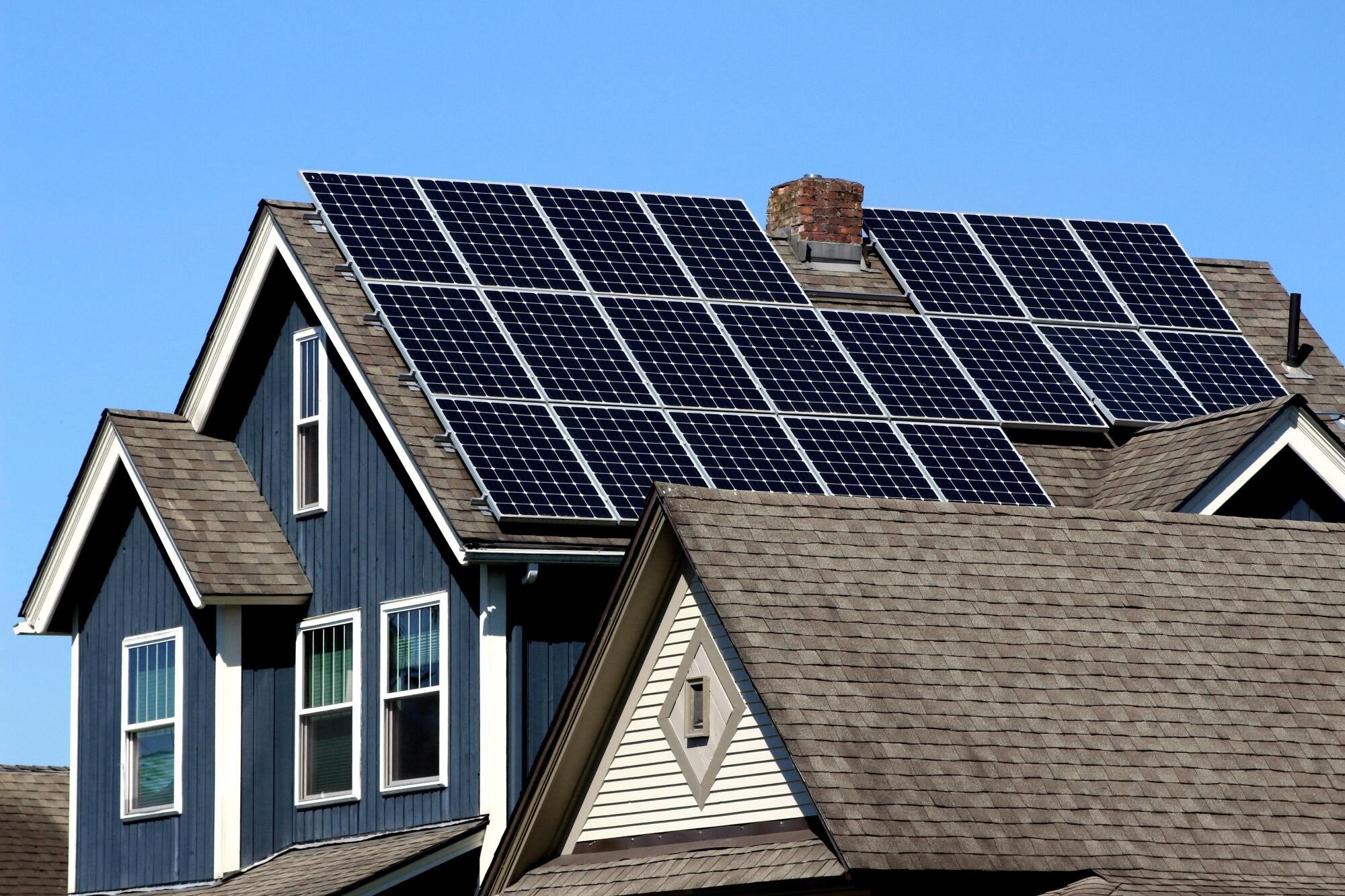
With energy bills still weighing heavily on UK households, more homeowners are looking for ways to take control of their electricity costs and rely less on the grid. Solar panels have long been the go-to answer, but on their own, they tell only half the story. Home battery storage turns solar from a daytime perk into a round-the-clock saving. Increasingly, installers such as Prime Time Solar fit the two together as a single, integrated system rather than treating the battery as an afterthought. Here’s how the pairing works, and why it matters for your bills and your carbon footprint.
How Solar Panels Work on Their Own
Solar panels convert daylight into direct current (DC) electricity. An inverter then converts that into the alternating current (AC) your home actually uses. It’s a clean, quiet process with no moving parts, and modern panels generate useful power even on overcast British days.


The catch is timing. Panels produce the most power around midday, when many households are out at work or school. Yet most home electricity demand lands in the early morning and the evening. Without anywhere to store it, that midday surplus is exported back to the grid, often for a modest payment that’s far lower than what you pay to buy electricity back later. In other words, you generate free power at exactly the moment you’re least able to use it.
How Home Battery Storage Works
A home battery solves that mismatch by storing your surplus daytime generation so you can use it whenever you need it. When your panels produce more than the house is consuming, the excess charges the battery instead of flowing straight to the grid. In the evening, the battery discharges to power your lights, appliances, and devices.
A few terms are worth knowing. Capacity, measured in kilowatt-hours (kWh), tells you how much energy the battery holds. Depth of discharge describes how much of that capacity you can safely use, and round-trip efficiency reflects how much energy you get back out compared with what went in. Typical domestic batteries range from around 5kWh to 15kWh, enough to cover a good chunk of an average household’s evening and overnight use.
How the Two Technologies Work Together
This is where the magic happens. On a typical day, the system follows a simple cycle: your panels generate power, your home uses what it needs in real time, any surplus charges the battery, and the stored energy is discharged in the evening once the sun goes down.
The headline benefit is higher self-consumption, meaning you use more of your own free solar electricity rather than buying from the grid. A solar-only home might directly use only a third to a half of what it generates. Add a well-sized battery and that figure can climb substantially, which is exactly where the savings come from.
The pairing brings other advantages too. Many systems can provide backup power during an outage, keeping essential circuits running. And with a smart setup, the battery can charge from cheap off-peak grid electricity on a time-of-use tariff, then discharge during expensive peak hours, so you benefit even on dull winter days. Energy-monitoring apps let you see all of this in real time and fine-tune how the system behaves.
Getting the balance right depends on matching the system to how your household actually uses energy, which is why a proper assessment matters. Homeowners in the region increasingly turn to specialists for solar panel installation in Essex rather than a one-size-fits-all package, so the panels and battery are sized around real consumption from the start.
What It Means for Your Bills and Your Carbon Footprint
The financial case comes down to self-consumption. Every unit of solar electricity you use yourself is a unit you don’t have to buy at full price. Pair panels with a battery and you shift far more of your generation into the hours you’d otherwise be drawing from the grid, which is where the meaningful bill reductions appear.
There’s an environmental dividend, too. Using more of your own renewable electricity reduces your reliance on grid power and lowers your household’s carbon emissions, supporting the UK’s wider push towards net zero. It’s worth being realistic about payback periods, though, because how quickly the system pays for itself depends on your usage patterns, your tariff and the size of the installation. A trustworthy installer will give you honest figures rather than best-case promises.
Things to Consider Before Installing
A few practical points are worth weighing up. First, size the system to your actual consumption rather than simply buying the biggest option available. Second, consider your roof: its orientation, pitch and available space all affect how much you’ll generate. Third, decide whether you’re retrofitting a battery to existing panels or installing both together, as fitting them at the same time is often simpler and more cost-effective. Finally, check that your installer is MCS-certified, review the warranties on both panels and battery, and choose an accredited professional you can rely on for aftercare.
Frequently Asked Questions
Can I add a battery to solar panels I already have?
Yes. Batteries can be retrofitted to most existing solar systems, but check compatibility and inverter type first.
How long do home batteries last?
Most come with warranties of around ten years, and many continue performing well beyond that.
Will a battery power my home during a blackout?
Some systems offer backup functionality, but not all, so confirm this with your installer if it’s a priority.
Is a battery worth it without solar panels?
It can be, if you’re on a time-of-use tariff and charge during cheap off-peak hours, though the savings are greater when paired with solar.
Conclusion
Solar panels and home battery storage are far more powerful together than either is alone. Panels generate clean electricity; batteries make sure you can actually use it when you need it, day or night. The result is stronger savings, greater resilience against outages and rising prices, and a smaller carbon footprint. If you’re weighing up the switch, the best first step is a professional assessment tailored to your home and how you use energy.