



















































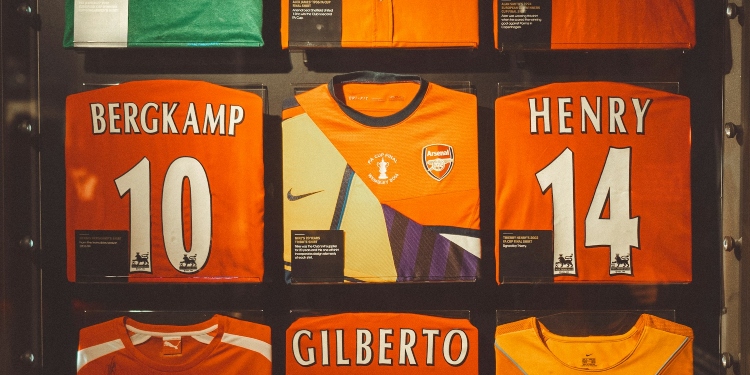
Football shirts were once viewed mainly as match-day clothing or a way for supporters to display loyalty to their favourite club. Today, however, older shirts have developed a second life. Retro designs, memorable sponsors, unusual colour combinations, and kits linked with important football moments are increasingly being treated as collectable items rather than ordinary sportswear.
For shoppers interested in the history and design of the game, finding the right classic football kit can be about far more than simply buying another shirt. Older kits often represent a particular season, player, tournament, or stage in a club’s identity, giving them an emotional and cultural value that newer releases may not yet possess.


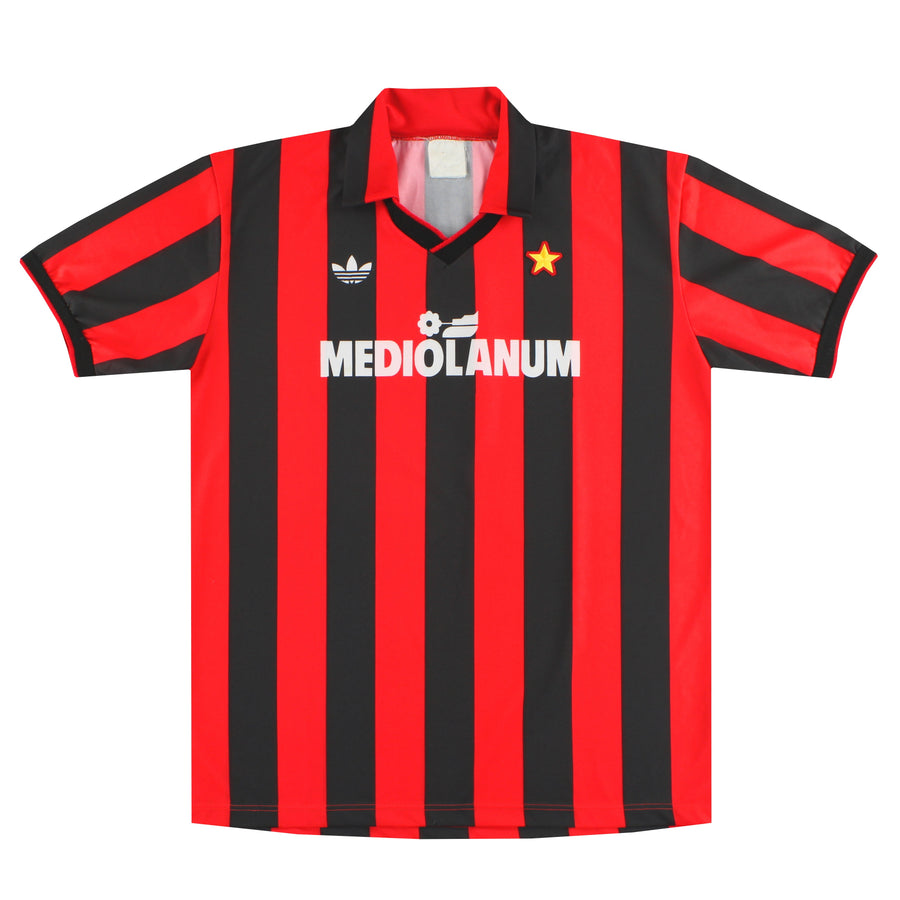
Football Shirts Carry Memories.
Vintage football shirts are still popular due to their association with certain memories.
A shirt is something that might bring back a memory of the first match they saw, a memorable cup run, a great goal, a favourite player when they were little, etc. Any design, even those of an opposing club, can be of interest years later, because it is a part of football history.
The emotional bond that football shirts possess sets them apart from numerous other clothing choices. They are no ordinary cloths. They may remind them of sporting events and their personal experiences.
Older Designs Have Their Own Identity
Football shirts today tend to be made from very technical fabrics and the graphics and logos are carefully designed. Older kits may have a very different feel.
Bold geometric designs, large manufacturers logos, unique collars, alternating sleeves, and sponsors often became synonymous with specific teams were common features of designs from earlier decades.
Some shirts are instantly recognizable with no need to see the club badge. The identity that this has created has helped retro football clothing to expand from the stadium to casual wear.
Because of this, collectors can become interested in a shirt even if they weren’t a part of a particular team.
When things are scarce, some kits may be more interesting.
Just because a football shirt is old, it doesn’t necessarily make it valuable or very desired.
The interest of collectors can be affected by availability, condition, season, manufacturer, player association, and design. Shirts that were made for a brief period or are related to special events or competitions may not be as readily available as typical designs from other seasons.
Shirts that are original and in good condition can also become rare over time. A large number were very worn, torn, missing or simply “out of style” and thrown out.
The fun for collectors can then be the discovery of a unique shirt that has kept well.
Condition Matters When Buying Older Shirts
Anyone buying a vintage or retro shirt should pay close attention to its condition.
Small signs of age are normal, particularly with garments that may be decades old. However, buyers should examine photographs and descriptions carefully for issues such as peeling sponsors, damaged printing, pulled fabric, stains, missing labels, or excessive fading.
Size can also require attention. Football shirts from older manufacturing periods may fit differently from current clothing, even when the label shows a familiar size.
Checking actual garment measurements rather than relying only on the size tag can help shoppers make a more informed choice.
Authenticity Is an Important Consideration
As interest in classic shirts has grown, authenticity has become increasingly relevant.
Collectors may encounter original shirts, officially licensed reproductions, modern retro designs, and unofficial copies. These categories should not be confused because they can differ significantly in historical value and construction.
When buying an older shirt, useful details can include manufacturer labels, product codes, fabric construction, badge style, sponsor application, stitching, and season-specific design characteristics.
Understanding these details helps buyers assess what they are purchasing instead of relying entirely on a seller’s description.
CollectorsHave Different Motivations
There is no single way to build a football shirt collection.
Some supporters focus entirely on one club and try to find shirts from different seasons. Others collect national-team kits, goalkeeper shirts, shirts connected with particular players, or designs from a specific decade.
Another group may simply buy shirts they enjoy wearing.
This flexibility is one of the reasons the hobby appeals to such a wide audience. A collection does not need to contain rare or expensive pieces to be meaningful. It can simply reflect the individual interests of the person building it.
Football Fashion Has Moved Beyond Match Day
The revival of retro football shirts is also connected with wider changes in casual fashion.
Older sportswear designs can work with jeans, trainers, jackets, and other everyday clothing. Shirts that once seemed outdated can feel distinctive again when styling trends change.
Social media and football culture have also made it easier for supporters to discover kits from clubs and countries outside their usual interests.
This has helped transform football shirts from purely supporter merchandise into clothing that can be appreciated for design, nostalgia, and cultural significance.
Caring for a Collection
Proper care can help older shirts remain wearable and presentable.
Collectors should follow garment-specific washing instructions and avoid unnecessary heat, especially when a shirt has printed sponsors, names, numbers, or delicate badges. Careful storage is also important.
Shirts should ideally be kept clean and dry and protected from conditions that could encourage fading or damage.
For particularly valued items, some collectors choose to store rather than regularly wear them, especially when replacement would be difficult.
Conclusion
Football shirt collecting has grown because it brings together sport, nostalgia, design, fashion, and personal history. Older kits can remind supporters of memorable seasons while also offering styles that are very different from current football clothing.
Whether someone is building a carefully organised collection or simply looking for a shirt that brings back a favourite football memory, classic kits offer a tangible connection with the game’s past. Their appeal comes not only from age or rarity, but from the stories and eras they represent.