




















































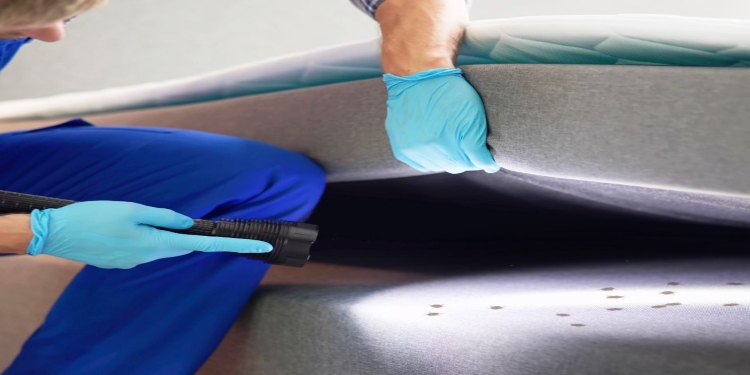
Bed bugs can create significant challenges for hotels. These small pests can be difficult to notice during the early stages of an infestation, allowing them to spread before staff or guests become aware of the problem. Once an infestation is established, hotels may face treatment costs, room disruption, guest complaints, and damage to their reputation.
For this reason, early detection should be an important part of a hotel’s pest management strategy. Regular inspections, monitoring systems, staff awareness, and professional support can all help identify potential problems before they become widespread. Here are five effective ways hotels can improve their approach to bed bug detection.


Monitoring High-Risk Areas More Closely
Not every room necessarily presents the same level of risk at every moment. Hotels can pay particular attention to rooms with frequent occupancy, areas where previous activity has been detected, and locations where guests or employees have reported concerns. Using bed bug detectors can provide an additional layer of monitoring and help staff identify potential activity earlier.
Monitoring should also extend beyond the sleeping area. Bed bugs can hide in furniture, luggage storage areas, upholstered items, and cracks around rooms. A wider inspection strategy can make it easier to identify signs that might otherwise be missed.
Keeping records of inspections and previous incidents can also help hotel managers recognise patterns. If certain rooms repeatedly require attention, management can consider increasing monitoring in those areas and reviewing existing pest management procedures.
Conducting Regular Room Inspections
Technology can support prevention, but physical inspections remain an important part of hotel housekeeping procedures. Staff should regularly examine areas where bed bugs are likely to hide, particularly around beds and furniture.
During an inspection, employees can look carefully at mattress seams, bed frames, headboards, cracks, furniture joints, and other concealed spaces. Signs to look for can include live insects, shed skins, eggs, or small dark marks.
Inspections are particularly useful when carried out consistently rather than only after a complaint. A standardised checklist can help housekeeping teams follow the same process across rooms and reduce the chance of overlooking potential warning signs.
Training Housekeeping Staff
Housekeeping employees are often among the first people who could notice unusual signs in a guest room. Providing them with appropriate training can therefore improve a hotel’s ability to identify potential problems at an early stage.
Training can cover what bed bugs look like, where they commonly hide, what evidence may indicate their presence, and how staff should respond when they discover something suspicious. Employees should also understand that finding one possible bed bug should not be ignored.
A clear reporting procedure is equally important. Staff should know who to notify, what information to record, and how potentially affected rooms should be handled while the situation is investigated. Good communication between housekeeping, management, and pest control professionals can help prevent delays.
Working With Professional Pest Control Specialists
When suspicious signs are discovered, professional advice can help hotels determine the appropriate next steps. Pest control specialists have the experience and equipment needed to assess suspected infestations and recommend suitable treatment methods.
Hotels should avoid treating every suspected situation in exactly the same way. A professional assessment can help establish whether bed bugs are actually present, determine the extent of the problem, and identify the rooms or areas requiring attention.
Bed bug management is most effective when detection and treatment form part of a broader integrated pest management approach. The U.S. Environmental Protection Agency recommends combining appropriate monitoring and control methods rather than relying on a single technique.
Professional support can also help hotels develop preventative procedures. Regular assessments, staff education, monitoring equipment, and documented response plans can work together to create a more reliable system.
Conclusion
Early bed bug detection can make a significant difference to how quickly a hotel can respond to a potential problem. While it is impossible to guarantee that bed bugs will never enter a property, hotels can take practical steps to identify them before an isolated incident becomes a larger infestation.
Using dedicated monitoring devices, carrying out regular inspections, training housekeeping teams, paying closer attention to higher-risk areas, and working with professional pest control specialists can create a stronger detection strategy.
Most importantly, hotels should take a proactive rather than reactive approach. Combining human awareness with modern monitoring technology can help hotel teams respond earlier, protect guest satisfaction, and reduce the potential disruption caused by bed bugs.