




















































If you are considering clear aligners for teeth straightening, you may wonder how they compare with traditional braces. Clear aligners are generally more comfortable, discreet, and convenient than traditional braces, while braces may be better for complex orthodontic problems. The better choice depends on your teeth, treatment needs, lifestyle, and orthodontic assessment.
Understanding the differences in comfort, appearance, treatment requirements, and daily maintenance can help you decide which option fits your needs.


How Do Clear Aligners and Braces Work?
Clear aligners for teeth straightening use a series of custom-made trays that fit snugly over the teeth. Each set of aligners makes small adjustments, gradually shifting teeth into alignment. New trays are typically worn every ten days as treatment progresses.
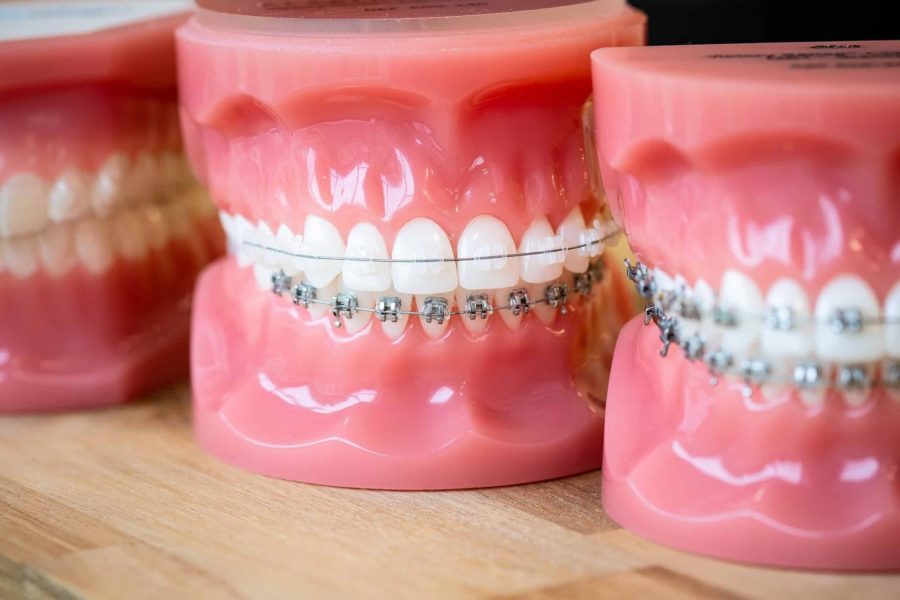
Traditional braces use brackets, wires, and sometimes elastic bands to apply continuous pressure that gradually moves teeth into their desired positions. Because braces are fixed to the teeth, they work around the clock without relying on patient compliance.
What Dental Problems Can They Fix?
One of the biggest differences in the aligners vs braces debate is the range of issues each treatment can address.
Traditional Braces
Braces are often recommended for:
- Severe crowding
- Significant spacing issues
- Complex bite problems
- Rotated teeth
- Major tooth movement requirements
Because braces provide precise control over tooth movement, they are often the preferred choice for more complicated orthodontic cases.
Clear Aligners
Aligners can effectively treat:
- Mild to moderate crowding
- Minor or moderate gaps between teeth
- Bite issues of medium complexity
- Mild tooth rotations
Many patients with mild to moderate orthodontic concerns can achieve excellent results with aligners.
Benefits of Aligners Over Braces (H2)
There are several notable benefits of aligners over braces that make them appealing to adults and teens alike.
Discreet Appearance
Clear aligners are made from transparent plastic, making them significantly less noticeable than metal braces. Many people feel more confident during treatment as clear aligners blend naturally with their smile.
Removable Convenience
Unlike braces, aligners can be removed when eating, drinking, brushing, and flossing. This flexibility makes everyday life easier and allows you to maintain your normal oral hygiene routine.
Greater Comfort
Many patients find aligners more comfortable because they do not have metal brackets or wires that can irritate the cheeks, lips, or gums.
Fewer Dietary Restrictions
Clear aligners can be removed before meals, allowing you to enjoy your favorite foods without the dietary restrictions associated with traditional braces.
Are Braces Better Than Aligners?
The answer depends on the complexity of your case.
Braces may be more suitable for significant tooth movement or complex bite issues, as they remain fixed to the teeth and apply continuous pressure throughout treatment. This also means you don’t need to remember to put them back in after eating or cleaning.
On the other hand, clear aligners may be a suitable choice for mild to moderate alignment concerns, offering effective results with a more discreet and flexible approach. For those who value added flexibility, at-home teeth straightening with clear aligners can make the process even more convenient by allowing eligible patients to complete their treatment journey remotely. This is something braces cannot offer.
Aligners vs Braces: A Quick Comparison
| Feature | Clear Aligners | Traditional Braces |
| Appearance | Nearly invisible | Visible brackets and wires |
| Material | Clear plastic trays | Metal or ceramic brackets with wires |
| Removability | Removable | Fixed to teeth |
| Daily Wear | 20–22 hours per day | 24/7 throughout treatment |
| Comfort | Smooth edges, less irritation | May irritate brackets and wires |
| Oral Hygiene | Easy to brush and floss | Requires extra cleaning around brackets |
| Food Restrictions | None when removed | Avoid sticky and hard foods |
| Treatment Time | Often 4–18 months depending on case | Typically 12–24 months |
| Complex Cases | Mild to moderate alignment issues | Mild to severe orthodontic concerns |
| Follow-Up Visits | Often fewer appointments | Regular adjustment visit |
Wrap Up
Both braces and aligners are effective orthodontic treatments that can create a healthier, straighter smile. While traditional braces remain the gold standard for complex cases, clear aligners for teeth straightening offer a discreet, comfortable, and convenient solution for many patients. The best choice depends on your dental needs, lifestyle, and orthodontic goals. Consulting with a dental professional can help determine whether aligners or braces are the right fit for your smile.
FAQs
Q: Are clear aligners more comfortable than braces?
A: Yes, clear aligners are often more comfortable because they have smooth surfaces without brackets or wires.
Q: Do clear aligners give better results than braces?
A: Both can deliver effective results. The better option depends on your orthodontic needs and treatment complexity.
Q: What’s more uncomfortable, clear aligners or braces?
A: Both can cause temporary soreness, but braces may cause additional irritation from brackets and wires.
Q: Aligners vs braces: which is more comfortable?
A: Clear aligners are generally more comfortable for many people due to their smooth, removable design.