



















































Introduction
The demand for personalized products has grown significantly in recent years. From custom clothing and promotional merchandise to handmade gifts and branded products, consumers increasingly want unique items that reflect their style and identity. For businesses and creators looking to meet this demand, investing in the right equipment is essential.
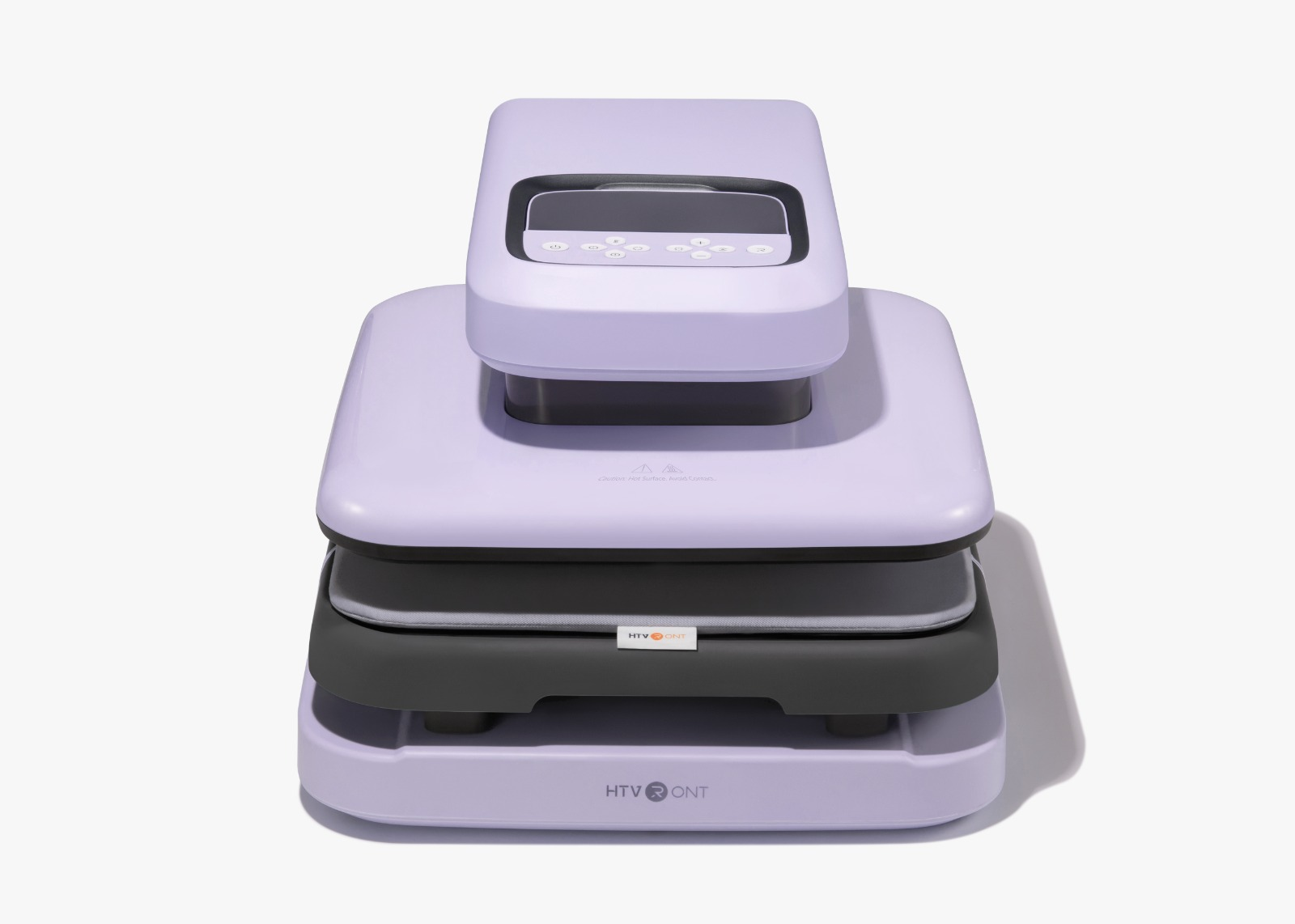
One of the most important tools in modern garment decoration is a Heat Press. This versatile machine allows users to apply designs, logos, graphics, and text onto various materials using controlled heat and pressure. Whether you’re running a small home business or managing a professional print shop, a reliable heat press can improve both efficiency and product quality.


As customization trends continue to shape the market, understanding heat transfer technology, selecting quality materials, and developing efficient production processes can help businesses stand out. This guide explores the role of heat press machines, the importance of premium transfer materials, and how modern printing solutions contribute to long-term success.
Why Heat Press Technology Continues to Grow in Popularity
The custom printing industry has evolved dramatically over the last decade. Traditional printing methods still serve important purposes, but many businesses now prefer heat transfer solutions because of their flexibility and efficiency. Heat press technology allows creators to produce professional-quality products without the extensive setup requirements associated with some conventional printing techniques.
One reason for its popularity is accessibility. New entrepreneurs can enter the market with relatively low startup costs while still producing attractive, durable products. A heat press system makes it possible to customize apparel, bags, home décor items, and promotional merchandise from a single workspace.
Another advantage is versatility. Unlike specialized equipment designed for a limited range of products, heat press machines can accommodate various materials and transfer methods. This flexibility enables businesses to respond quickly to changing customer demands and market opportunities.
The rise of e-commerce has also contributed to the growth of heat transfer printing. Online stores frequently offer personalized products made to order. Heat press technology supports this business model by allowing efficient production of small batches and one-off custom designs without excessive preparation time.
Understanding How Heat Press Machines Work
At its core, heat transfer printing relies on three essential elements: temperature, pressure, and timing. A heat press machine combines these factors to transfer designs from specialized materials onto the desired surface. When applied correctly, the result is a durable and visually appealing decoration that withstands regular use.
The process begins with creating or selecting a design. Depending on the chosen transfer method, artwork may be printed onto transfer paper, cut from vinyl, or produced through other specialized techniques. Once prepared, the design is positioned on the product before heat and pressure are applied.
Modern heat press machines provide digital controls that allow operators to adjust temperature and pressing duration according to material requirements. Different fabrics and transfer materials often require specific settings to achieve optimal adhesion and durability.
Consistency is one of the greatest strengths of heat press technology. High-quality equipment delivers uniform heat distribution and pressure across the pressing area. This consistency helps reduce errors while ensuring that every product meets the same quality standards.
The Importance of Choosing Quality Heat Transfer Materials
Even the best equipment cannot produce exceptional results without reliable materials. The quality of transfer products directly affects durability, appearance, and customer satisfaction. Businesses that prioritize premium materials often experience fewer production issues and stronger long-term customer relationships.
One of the most widely used materials in apparel decoration is heat transfer vinyl. This material allows users to create custom graphics that can be transferred onto garments using heat and pressure. It remains popular because of its versatility, vibrant colors, and long-lasting performance.
High-quality heat transfer vinyl maintains flexibility after application and resists cracking, peeling, and fading. This durability is particularly important for products that undergo frequent washing or daily wear. Customers expect customized apparel to retain its appearance over time, making material quality a critical factor in business success.
The market offers numerous vinyl varieties designed for specific applications. Standard vinyl provides a smooth finish suitable for many projects, while specialty options include glitter, reflective, metallic, flocked, and stretch materials. These choices allow businesses to create unique products tailored to different customer preferences and industries.
Expanding Product Offerings Beyond T-Shirts
While T-shirts remain among the most popular custom products, successful businesses often expand into additional categories. Diversification helps attract a broader customer base while creating new revenue opportunities. Heat press technology makes it easier to explore these options without requiring entirely new production systems.
Custom hoodies, tote bags, aprons, sports uniforms, and workwear are common additions to many product catalogs. These items appeal to both individual consumers and organizations seeking branded merchandise. Schools, sports teams, charities, and businesses frequently require customized products for events and promotional campaigns.
Home décor items have also become increasingly popular. Pillow covers, decorative fabric products, and personalized gifts allow businesses to serve customers looking for unique household items. Seasonal products related to holidays and special occasions often generate strong sales throughout the year.
Promotional merchandise represents another growing market segment. Companies frequently use customized products for marketing campaigns, employee recognition programs, and customer giveaways. Businesses that offer a diverse selection of personalized items are better positioned to capture these opportunities.
Building an Efficient Workflow for Custom Printing
Efficiency plays a crucial role in profitability. As order volumes increase, businesses must maintain quality while improving production speed. Developing an organized workflow helps reduce errors, streamline operations, and improve customer satisfaction.
The process typically begins with design preparation. Clear artwork, proper file formatting, and accurate sizing help ensure smooth production. Investing time in design accuracy often prevents costly mistakes later in the workflow.
Material preparation is equally important. Organizing garments, transfer materials, and production schedules allows operators to work more efficiently. A clean and structured workspace reduces confusion and minimizes the risk of production delays.
Equipment maintenance also contributes significantly to productivity. Regular cleaning, inspections, and calibration help maintain consistent performance. Preventive maintenance reduces the likelihood of unexpected breakdowns and extends the lifespan of valuable equipment.
Training team members properly is another essential component of operational efficiency. Employees who understand equipment settings, material requirements, and troubleshooting techniques can maintain higher quality standards while working more productively.
Why Businesses Trust Modern Printing Solutions
As technology advances, businesses increasingly seek equipment that combines reliability, performance, and ease of use. Modern heat press systems provide features designed to improve productivity while reducing operator workload. These innovations help businesses scale operations without sacrificing quality.
Many creators and professionals choose products from HTVRONT because of their commitment to developing practical solutions for the customization industry. Reliable equipment and quality materials help businesses deliver consistent results while adapting to evolving customer demands.
Innovation continues to drive improvements throughout the industry. Enhanced digital controls, improved safety features, and greater automation make modern equipment more accessible to both beginners and experienced professionals. These advancements help reduce production errors while increasing overall efficiency.
The future of custom printing remains bright as personalization trends continue to grow. Consumers increasingly value products that reflect their individuality, creating ongoing opportunities for businesses that can deliver high-quality customized merchandise quickly and efficiently.
Conclusion
The customization industry offers exciting opportunities for entrepreneurs, creators, and established businesses. Success depends on combining creativity with reliable equipment, quality materials, and efficient production processes. A dependable Heat Press provides the foundation needed to produce professional-quality products that meet customer expectations.
Pairing advanced equipment with premium heat transfer vinyl helps ensure vibrant designs, long-lasting durability, and consistent results across a wide range of applications. As customer demand for personalized products continues to increase, businesses that invest in quality tools and materials will be better positioned to compete.
By leveraging innovative solutions from HTVRONT, businesses can expand their product offerings, improve operational efficiency, and build stronger customer relationships. Those who focus on quality, adaptability, and continuous improvement will be well prepared for long-term success in the growing world of custom printing and apparel decoration.