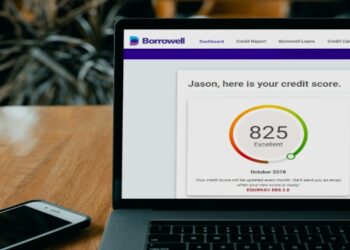





















































Most people only think about their credit score when something big is on the line. A mortgage application. Car finance. A new phone contract with a decent deal. By then, the habits that matter most are already baked in — or they aren’t.
Here’s the thing: you build good credit long before you need it. It happens in the checkout queue, at the petrol station, when your utility bill goes out. Small stuff. Predictable stuff. The kind of spending you’re already doing — just not always making work for you.


So let’s fix that.
First, the basics.
Borrowing money and paying it back on time — that’s the whole game. Do it consistently, and lenders start to trust you. That trust shows up as a higher score, which can mean better interest rates and easier approvals down the line.
What it doesn’t require? Big purchases. Stretching your budget. Taking on debt you can’t handle. None of that. The goal is reliability, not volume. Using a credit card sensibly — staying within your limit, clearing the balance — builds the same trust as a large loan, just with far less risk.
And yes, missing payments or busting your limit will hurt you. That part’s not complicated.
The everyday purchases most people overlook
Groceries
Think about how much you spend on food every month. For most households, it’s the single biggest regular outgoing. If that money’s going out anyway, put it on a credit card — and then pay the card off on payday.
Simple. No extra spending, no interest. Just a consistent pattern of use and repayment that lenders actually notice.
Petrol
Filling up the car is about as predictable as it gets. Same rough amount, same rough frequency. That predictability is useful — it makes it easy to plan for repayment, and it shows lenders a pattern of sensible, steady spending. Not occasional bursts. Not erratic behaviour. Just reliable usage over time.
Utility bills
Most utility providers don’t report directly to credit reference agencies — so paying your energy bill won’t automatically add a gold star to your file. But setting up a Direct Debit through your credit account helps you stay consistent and avoid the one thing that genuinely damages your score: late or missed payments.
Automate it. Remove the risk of forgetting.
Phone contracts
Worth remembering: your phone contract is a form of borrowing. The network fronts you the cost of the handset or service each month; you pay it back in instalments. Keep up with those repayments and it quietly does its job, building up your credit history in the background.
Making it work without spending more
None of this requires a lifestyle change. You’re already buying groceries. Already filling up the car. The shift is in how you pay — and whether you’re managing that payment properly afterward.
Use your card for regular, manageable costs. Pay the balance in full if you can. Set up a Direct Debit so a missed payment never catches you off guard. Check your statements occasionally — surprises are rarely good ones.
Build good credit the same way you’d build any habit: steadily, without drama, over time. Do that, and the score takes care of itself.