





















































The concept of a wallet can be very confusing for those who are new to cryptocurrency. After all, you can’t exactly fold a Bitcoin and slip it into your back pocket. A crypto wallet works differently from the leather one in your bag, but once you understand the basics, it becomes quite straightforward.
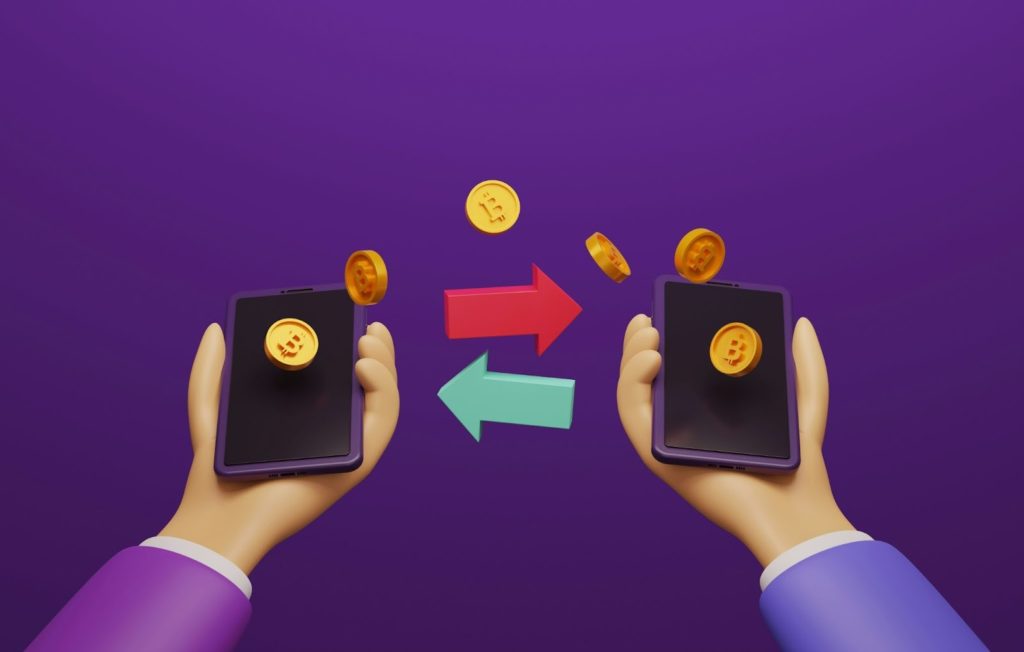
What Is a Crypto Wallet?
A crypto wallet is a digital tool that lets you interact with blockchain networks. It doesn’t actually store your coins in the way a traditional wallet holds cash. Instead, it stores two crucial pieces of information: your public key and your private key.


Your public key works like an email address. It’s safe to share with others because they need it to send you cryptocurrency. It’s used for purchasing and exchanging currencies on platforms like switchere.com or for paying with these assets.
Your private key, however, is more like a password. It proves you own the crypto associated with your public address, and you should never share it with anyone. If someone gets hold of your private key, they can access and transfer all your funds.
Types of Crypto Wallets You Should Know About
Crypto wallets come in several forms, each with its own advantages.
- Hot wallets connect to the internet. They’re convenient for regular transactions and include mobile apps, desktop software, and web-based platforms. Many people use hot wallets for everyday spending because they’re quick and easy to access. The trade-off is that internet connectivity makes them more vulnerable to hacking attempts.
- Cold wallets stay offline most of the time. Hardware wallets (physical devices that look a bit like USB drives) are the most popular type. Paper wallets also fall into this category, though they’re less common now. Cold wallets offer better security because hackers can’t access something that isn’t connected to the internet. They’re ideal for storing larger amounts of cryptocurrency that you don’t need to access frequently.
How Crypto Wallets Actually Work
When you set up a wallet, it generates your unique pair of keys through complex mathematical algorithms. The public and private keys are mathematically linked, but it’s virtually impossible to work out the private key from the public one.
Your cryptocurrency doesn’t sit inside the wallet itself. The coins exist on the blockchain, which is a distributed ledger that records all transactions. Your wallet simply gives you the ability to prove ownership and authorise transfers. When someone checks your balance, they’re looking at all the transactions associated with your public address on the blockchain.
Most wallets also create a recovery phrase (sometimes called a seed phrase) when you first set them up. This is typically a sequence of 12 or 24 random words. If you lose access to your wallet, this phrase lets you restore it. Write it down and store it somewhere safe. Losing both your wallet and your recovery phrase means losing access to your crypto permanently — there’s no option to reset your password.
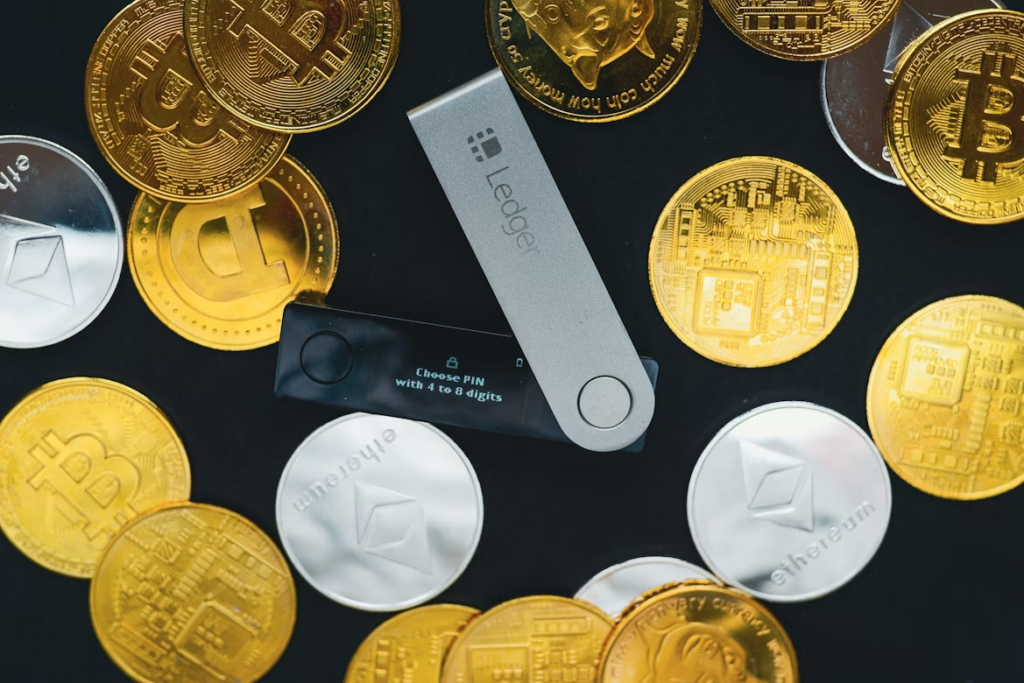
How to Send and Receive Cryptocurrency
Receiving crypto is the simpler of the two operations. You provide your public address to the sender, who then initiates a transfer from their wallet. Within minutes (or sometimes longer, depending on the blockchain), the transaction appears in your wallet.
Sending crypto requires a few more steps:
- Open your wallet and select the send option.
- Enter the recipient’s public address (double-check this carefully).
- Specify the amount you want to send.
- Review the transaction fee.
- Confirm the transaction using your private key or authentication method.
The transaction fee compensates the network validators who process and confirm your transaction. Fees vary based on network congestion and how quickly you need the transaction processed. During busy periods, fees can be surprisingly high.
One crucial point: blockchain transactions are irreversible. If you send crypto to the wrong address, there’s no undo button. That’s why it’s wise to send a small test amount first when dealing with a new recipient.
Keep Your Wallet Secure
Security should be your top priority with crypto wallets. Scammers constantly develop new methods to trick people into revealing their private keys or recovery phrases. Here are the essential precautions you should take:
- Enable two-factor authentication on any wallet that offers it.
- Use a strong, unique password that you don’t use anywhere else.
- Never share your private key or recovery phrase with anyone.
- Be suspicious of unsolicited messages claiming to be from support teams.
- Keep your wallet software updated with the latest security patches.
No genuine support team or service will ever ask for your private key or recovery phrase. If someone requests this information, they’re trying to steal from you.
Final Thoughts
Crypto wallets might seem technical at first, but they’re essentially tools that give you control over your digital assets. You need to be aware that you are responsible for your security since there’s no institution to reverse fraudulent transactions or recover lost passwords. Once you get comfortable with the basics, managing a crypto wallet becomes second nature.

David Prior
David Prior is the editor of Today News, responsible for the overall editorial strategy. He is an NCTJ-qualified journalist with over 20 years’ experience, and is also editor of the award-winning hyperlocal news title Altrincham Today. His LinkedIn profile is here.