















































For years, most people treated everyday health as something that happened in the background. You exercised when you had time, cooked when life slowed down, Googled symptoms when something felt off and relied on the NHS for everything else. But the past few years quietly rewired how households think about wellbeing.
More people now track their sleep, monitor their recovery, pay attention to ingredients and read labels instead of trusting packaging. The home has evolved from a place of rest into a small ecosystem of self-care routines, basic diagnostics and simple, proactive habits that help people stay steady without waiting for a crisis. It’s not a medical revolution, but a practical one.


2026 will push this shift even further. As healthcare systems stay under pressure and consumers demand more clarity, the centre of gravity is moving away from the clinic and closer to the kitchen table. Every day health is becoming something you manage in real time, not something that happens to you. And the tools, habits and information shaping this moment are already visible in homes across the UK.
The Rise of the ‘Home Health Consumer’
The UK is seeing a clear movement: people aren’t outsourcing their health as much as they used to. Not because they distrust the system, but because they understand that the first line of wellbeing starts at home. When NHS waiting times stretch and appointments become harder to secure, households naturally shift toward self-management, not to replace professional care, but to avoid unnecessary strain on already stretched services.
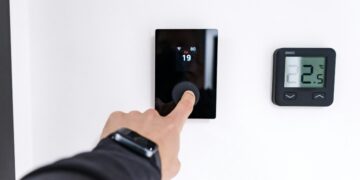
Home diagnostics have become a normal part of everyday life. Blood pressure monitors sit next to kettles. Pulse oximeters are tucked in kitchen drawers. Digital thermometers replaced the old mercury sticks years ago, and basic self-tests now fit into weekend shopping baskets as casually as toothpaste. None of it feels clinical anymore; it’s just part of being prepared.
The same shift applies to lifestyle. Home fitness is no longer a lockdown trend; it’s a stable habit. People are cooking more, paying closer attention to what they eat and blending traditional routines with digital tools, from step counters to sleep trackers. The combined effect is simple but powerful: well-being is moving from occasional intention to a quiet, everyday rhythm. This is the new definition of the home health consumer: independent, informed and more proactive than any generation before.
Why Everyday Health Awareness Is Accelerating
Health awareness isn’t rising because people suddenly became more disciplined. It’s rising because everyday tools have made understanding your own body far easier than it used to be. Supplements that once felt niche or overly technical have become part of normal routines. Vitamin D, magnesium and omega-3 are no longer things “gym people” talk about; they’re part of mainstream household language.
Smart devices pushed this shift even further. Technology transformed health monitoring from episodic check-ups into continuous, passive data collection. This continuous feedback loop allowed users to notice subtle changes, a drop in deep sleep, or an unexplained rise in resting heart rate, that would have previously gone undetected for weeks. Sleep trackers, step counters, recovery scores and heart-rate monitors give people a sense of what’s happening long before they would have noticed it themselves. These tools don’t turn anyone into an expert, but they close the gap between guessing and paying attention.
At the same time, people read labels now. They search ingredients they don’t recognise. They want to know how things work rather than relying on packaging claims. Consumer literacy has quietly climbed, driven by a mix of digital access, social learning and the realisation that better habits often start with simply understanding what you’re using. Awareness isn’t a trend anymore; awareness is becoming a baseline expectation.
How Europe Is Rebuilding Health Information for the Public
A few years ago, online health information was a mix of scattered blogs, marketing-heavy product pages and forums full of guesswork. That landscape is changing fast. Across Europe, licensed platforms have started investing in clearer, more structured explanations of everyday health topics so people can make sense of OTC categories without wading through noise.
Instead of pushing products, these hubs break down simple questions: What does this supplement do? How does this category work? What’s the difference between similar items? It’s a quiet transformation, but an important one. People want clarity before they buy anything, and they want it in accessible language, not medical jargon.
Across Europe, several licensed online pharmacies have begun expanding large, structured knowledge hubs to help consumers understand OTC categories in plain language – from Spain’s Dosfarma and Germany’s Shop-Apotheke to France’s Pharmacie Lafayette and Poland’s Olmed pharmacy.
Many of these information hubs are evolving in the same direction as the NHS’s own guidance pages, which increasingly emphasise prevention, early self-management and clear explanations of when professional care is needed. For consumers, the convergence is reassuring: whether they read a licensed European platform or an official NHS resource, the language is more aligned than ever before. People aren’t being pushed toward products. They’re being equipped with context, what something is, how it works, what to avoid and when a symptom crosses the line into medical territory. To tu naturalnie możesz podlinkować NHS, bo to jest czysta edukacja.
What emerges is a healthier dynamic: households that feel more confident making basic decisions, doctors who see patients arriving better informed and pharmacies that no longer treat knowledge as an afterthought. Europe isn’t replacing professional care; it’s strengthening the layer that comes before it, the everyday judgment calls people make long before they book an appointment. And w 2026 ten fundament będzie jeszcze ważniejszy, bo presja na systemy zdrowia rośnie, a konsumenci chcą informacji, która pomaga, a nie oszałamia.
Smart Home Diagnostics: What Households Are Using in 2026
Home diagnostics have quietly become part of everyday life in the UK. What used to be niche is now standard: people keep blood-pressure monitors, pulse oximeters, high-accuracy thermometers and pregnancy tests in their bathroom cabinets and use them with the same ease as fitness apps. This isn’t health anxiety. It’s a practical response to NHS pressure and a growing expectation that individuals can handle basic monitoring long before symptoms become serious.
The devices themselves have improved dramatically. Blood-pressure monitors are more accurate, pulse oximeters are more stable, and thermometers are far more precise thanks to modern contactless technology. Even home pregnancy or infection tests are designed to be simple and intuitive. Trusted information sources, such as NHS guidance or Mayo Clinic resources, help people understand results rather than guess. That combination of better tools and clearer information is what’s driving the shift.
Another reason diagnostics are becoming normal is the rise of hybrid GP models. With many appointments now happening online or through NHS telehealth channels, people are often asked to check their own measurements before a consultation. A quick blood-pressure reading or oxygen saturation number helps GPs triage more effectively and reduces unnecessary visits. Households that once relied entirely on clinics are learning to manage the basics themselves, not as medical professionals, but as informed participants in their own care.
There is also a confidence factor. For years, health tech felt too specialised or too expensive. Today, the devices are cheaper, more accurate and designed for ordinary users rather than clinicians. The learning curve has flattened. Clear NHS guidance, video tutorials and intuitive apps mean that people who never considered monitoring anything at home now see it as straightforward. This cultural shift is subtle, but it’s redefining how early detection and self-care fit into everyday life.
Supplements: From Niche to Mainstream
Supplements have moved from the margins into everyday routines. Vitamin D is a cold-season staple, omega-3 is widely recognised for cardiovascular support, magnesium has regained relevance through its impact on sleep and recovery, and gut-health supplements are mainstream thanks to the growing science around the microbiome. The point isn’t hype; it’s literacy. People want to know what they’re taking, why it matters and how it fits into their lifestyle.
This shift has also been pushed by research from trusted institutions. Harvard Health, the British Medical Journal and other medical bodies continue to publish accessible explanations on deficiencies, interactions and long-term benefits. The result is fewer impulsive purchases and more intentional choices, a move from “something that might help” to “something I understand.” That’s a healthier dynamic for consumers and for the wider market.
Part of the shift comes from habit stacking. People are combining supplements with broader lifestyle changes: morning sunlight, regular walks, strength training, sleep hygiene. When routines improve, supplements start making more sense because they support a behaviour rather than replace it. That’s why categories like magnesium glycinate, omega-3 or gut-support blends aren’t seen as shortcuts; they’re seen as tools that fit into a bigger, more intentional daily structure.
There is also far more scrutiny. UK consumers now check interactions, dosage, absorption, clinical studies and third-party testing. TikTok trends might spark curiosity, but decisions are increasingly guided by evidence from respected institutions. Many people cross-reference NHS advice, Harvard Health insights or BMJ commentary before buying anything. This brings a healthier scepticism to the market, hype fades quickly, but well-explained, scientifically grounded products stay.
Another growing theme is personalisation. Even without expensive DNA kits or full biomarker analysis, people are becoming more aware of their individual needs. Someone working night shifts might focus on vitamin D and magnesium. Someone training intensely may prioritise electrolytes, creatine or fish oils. Someone dealing with stress may use adaptogens or targeted blends. Supplements aren’t seen as a one-size-fits-all solution but as modular components that people assemble based on lifestyle, age and energy demands.
Retailers and brands are also improving transparency. Clearer labels, cleaner formulations and fewer artificial additives make it easier for consumers to understand what they’re taking. It’s no longer about shiny packaging or vague wellness promises, but about credibility. And that credibility grows when people can trace the reasoning behind a product, not just trust that it works.
Why Behaviour Shapes Everyday Health More Than Motivation
Most people don’t ignore their health because they lack information. They ignore it because everyday behaviour is fragile. Habits drift, routines collapse under pressure and life gets in the way long before motivation does. Behavioural science has been saying this for years: people don’t act on what they know, they act on what feels manageable in the moment. That’s why the rise of the “home health movement” is less about gadgets and supplements, and more about a shift in how people structure their daily decisions.
A growing number of studies referenced by the WHO and PubMed Central (NCBI) point to the same pattern. When individuals build small, predictable routines, hydration, sleep hygiene, basic monitoring, balanced nutrition, their long-term health outcomes improve far more than when they rely on bursts of motivation. Consistency beats enthusiasm. Quiet discipline beats dramatic attempts to “start fresh.” And this mindset is beginning to shape how people across the UK think about everyday wellness in 2026.
The behavioural side of health also explains why home diagnostics and simple tools have become so common. When checking your blood pressure or oxygen levels takes 30 seconds, people do it. When understanding a supplement requires ten pages of research, they don’t. The easier an action is, the more often it happens, a principle behavioural economists call “friction reduction.” In practice, this means households are prioritising health actions that slot naturally into daily routines rather than those that require planning or complexity.
NHS data reinforces this shift. A significant percentage of avoidable A&E visits stem from issues that escalated because no one tracked symptoms early, hydrated properly or understood basic warning signs. The more that people manage these fundamentals at home, the less they rely on emergency services, and the more confident they feel in their own health literacy. Behaviour becomes a buffer, reducing volatility and panic-led decisions.
This is why everyday health is becoming a behavioural question, not just a medical one. The movement isn’t driven by fear or biohacking trends; it’s driven by a growing understanding that small, steady habits outperform occasional overhauls. 2026 won’t be about “transformations.” It will be about people quietly redesigning how they navigate daily wellbeing, with consistency as the core advantage.
The New Challenge: Health Information vs Health Misinformation
Managing health at home has one unavoidable complication: a flood of contradictory information. The WHO has warned repeatedly about the rise of health misinformation online, describing it as an “infodemic” where reliable guidance is buried under speculation, trends and misleading advice. What makes the problem even harder is how fast bad information spreads, especially on platforms where emotional content travels quickly than factual content. People want clarity, but they often end up overwhelmed.
For UK readers, this tension is visible every day. NHS resources remain clear and evidence-based, but they compete with viral short-form videos, influencer commentary and half-correct interpretations of scientific studies. When someone searches for a symptom or a supplement, the results can feel like a maze, snippets of advice without context, claims without citations and algorithms that amplify what gets attention, not what is medically sound. The challenge isn’t accessing information, but filtering it.
This is why digital health literacy has become a core public topic. Reports from UK Gov and OECD show that individuals who understand how to evaluate sources, cross-check claims and identify reputable platforms are significantly better equipped to manage their day-to-day health. The conversation is shifting from “What should I take?” to “How do I know this information is trustworthy?” That shift represents one of the biggest behavioural changes in mainstream wellness.
In response, many European countries have begun strengthening their public-facing information ecosystems. NHS campaigns, WHO guidelines and EU digital safety frameworks are all pushing the same message: reliable information must be easy to access and easy to understand. That’s why structured knowledge hubs, clear categories, plain-language explanations, and transparent sourcing have become increasingly important. They help people navigate complexity without falling into misinformation traps.
The rise of home health would be useless without this backbone of clarity. People can monitor, supplement and adjust their habits only when they trust the information they act on. As 2026 unfolds, the real differentiator won’t be who offers the most products or the most advanced tools. It will be who provides the cleanest, clearest, most reliable explanations. In a world saturated with conflicting advice, trusted knowledge becomes the foundation of everyday wellbeing.
The Shift From ‘Buying’ to ‘Understanding’
The most meaningful change is the reversal of priorities. People no longer want to start with a shopping list. They want clarity, context and explanations in plain language. The rise of long-form health guides, ingredient breakdowns and side-effect explainers shows how far consumers have moved. It’s not about slogans or dramatic promises. It’s about understanding what a product does before deciding whether it fits their needs.
This information-first mindset is setting a new standard. Educational platforms, whether public or private, have gone from being an optional extra to an essential part of the decision-making process. Buying is no longer the beginning. It’s the conclusion. That’s a major cultural shift and one of the clearest signs that everyday health is becoming more intentional and less reactive.
What This Means for 2026
All of this points toward a calmer, more informed approach to wellness. People are building higher digital health literacy, using diagnostics early, consulting NHS resources more often and relying on structured knowledge hubs rather than sales-driven content. It’s a quiet shift, but a profound one: home becomes the first line of health management, not out of fear, but out of confidence.
2026 will continue to strengthen this trend. Better devices, clearer guidance and wider access to trustworthy information mean that everyday health becomes easier to understand and easier to manage. It’s not a dramatic revolution, but a steady cultural evolution. A move toward simplicity, self-education and smarter decisions made long before problems escalate.