


















































When facing the loss of a loved one, families encounter deeply personal decisions about how to honor their memory. The choice between scattering ashes in meaningful locations, preserving them in creative keepsakes, or combining both approaches reflects individual values, beliefs, and the unique relationship shared with the deceased. Each option carries its own significance, practical considerations, and emotional weight. Understanding the available memorial possibilities helps families create tributes that truly resonate with their loved one’s spirit and legacy.
Understanding the Meaning Behind Scattering Ashes Ceremonies
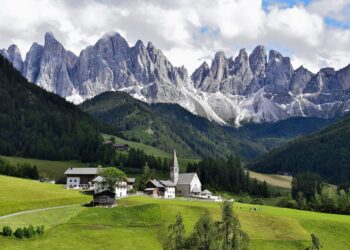
Scattering ashes represents a final act of release, allowing loved ones to return the deceased to nature or a place of personal significance. This ceremony holds deep symbolic meaning, signifying transformation and the continuation of the life cycle. Many families choose locations that reflect their loved one’s passions, mountain peaks for adventurers, oceans for sailors, or gardens for nature enthusiasts.


The ritual provides closure while creating a tangible connection to a specific place. Family members can revisit these locations to feel close to the deceased, transforming ordinary landscapes into sacred memorial sites. Some cultures view scattering as freeing the spirit, while others see it as reuniting the body with the earth. Regardless of belief systems, these ceremonies offer participants an opportunity to honor memories, share stories, and begin the healing process together.
Popular Locations and Methods for Scattering Ashes
Families today select from numerous meaningful locations when deciding where to release cremated remains. Ocean and water scattering remains popular due to the symbolic nature of returning to natural elements. Mountain peaks and forests offer peaceful settings for those who cherished outdoor activities. Gardens, whether public memorial spaces or private properties, provide accessible locations for future visits.
Common methods include casting, where ashes are released into the wind; raking, which involves scattering ashes on soil and mixing them in; trenching, where a shallow trench is filled with ashes then covered; and water scattering from boats or shorelines. Some families choose aerial scattering via airplane or helicopter for expansive dispersal. Each method requires consideration of weather conditions, legal regulations, and property permissions.
Legal and Ethical Considerations Before Scattering Ashes
Before releasing cremated remains in any location, individuals must research and comply with federal, state, and local regulations governing ash dispersal. Federal law prohibits scattering within three nautical miles of shore without proper permits, while national parks require written authorization. Private property demands explicit owner permission, and many municipalities restrict dispersal in public spaces.
Ethical considerations extend beyond legality. Families should respect cultural and religious sensitivities of locations, particularly at sacred sites or memorials. Environmental impact matters, avoid scattering near water sources, protected habitats, or areas where remains could disturb wildlife or vegetation.
When multiple family members share decision-making authority, obtaining unanimous consent prevents future conflicts. Documentation of permissions and locations guarantees transparency and allows others to visit memorial sites if desired.
Creative Ways to Personalize a Scattering Ashes Ceremony
Once legal requirements are satisfied, the ceremony itself offers opportunities for meaningful personalization that honors the deceased’s unique life and values.
Families can incorporate favorite music, poetry readings, or personal anecdotes that reflect cherished memories. Some families choose to include short poems for scattering ashes, offering heartfelt words that provide comfort and emotional connection during the release. Some choose symbolic rituals like releasing biodegradable balloons, floating flowers alongside ashes, or planting memorial trees at scattering sites.
Timing considerations add significance, scattering at sunrise, sunset, or anniversaries creates poignant moments. Location selection itself personalizes ceremonies, whether returning ashes to beloved vacation spots, childhood homes, or places representing passions like golf courses or hiking trails.
Participants can take turns scattering portions, allowing each person intimate farewell moments. Including children through age-appropriate activities like drawing pictures or selecting flowers helps them process grief constructively. Photography and videography preserve these private ceremonies for absent family members.
Exploring Unique Ashes Keepsakes for Lasting Remembrance
While scattering ceremonies provide closure, many people seek tangible mementos that keep their loved one’s presence close. Ashes keepsakes offer permanent remembrance through various forms. Glass artisans can infuse cremated remains into paperweights, sculptures, or jewelry, creating stunning pieces with swirling colors. Memorial jewelry includes pendants, rings, and bracelets designed with small compartments for ashes or incorporated directly into the material.
Biodegradable options appeal to environmentally conscious families. Tree urns combine ashes with seeds, growing living memorials in gardens or forests. Reef balls transform remains into ocean habitats, supporting marine ecosystems while honoring the deceased.
Modern technology enables vinyl records pressed with ashes, containing favorite songs or recorded messages. Fireworks displays incorporate cremated remains, celebrating life with spectacular visual tributes. These diverse keepsakes guarantee loved ones remain part of daily life through meaningful, personalized objects.
How to Choose Between Scattering and Ashes Keepsakes or Combine Both
Deciding between scattering ashes and keeping memorial objects depends on several personal factors. Families should consider their emotional needs, cultural traditions, and the deceased’s wishes. Some find comfort in physical keepsakes they can touch and display, while others prefer the symbolic release of scattering ceremonies.
Many families choose both options by dividing the ashes. A portion can be scattered at a meaningful location, while the remainder is preserved in jewelry, glass art, or urns. This approach accommodates multiple family members’ preferences and creates diverse remembrance opportunities.
Practical considerations include storage space, travel requirements for scattering, and long-term maintenance. Legal regulations also matter, as scattering has location restrictions. Budget affects choices too, since custom keepsakes vary in cost. Ultimately, the decision should honor both the deceased and survivors’ healing processes.
Conclusion
Choosing how to honor a loved one, through scattering ashes, creating meaningful keepsakes, or combining both, allows families to craft a tribute that reflects personal values, shared memories, and emotional needs. Understanding the symbolism, legal requirements, and creative options ensures each decision is thoughtful and heartfelt. Whether returning ashes to a cherished location or preserving them in a lasting keepsake, these memorial choices offer comfort, connection, and a meaningful way to celebrate a life well lived. By exploring all available options, families can create a personalized remembrance that supports healing while honoring their loved one’s enduring legacy.