




















































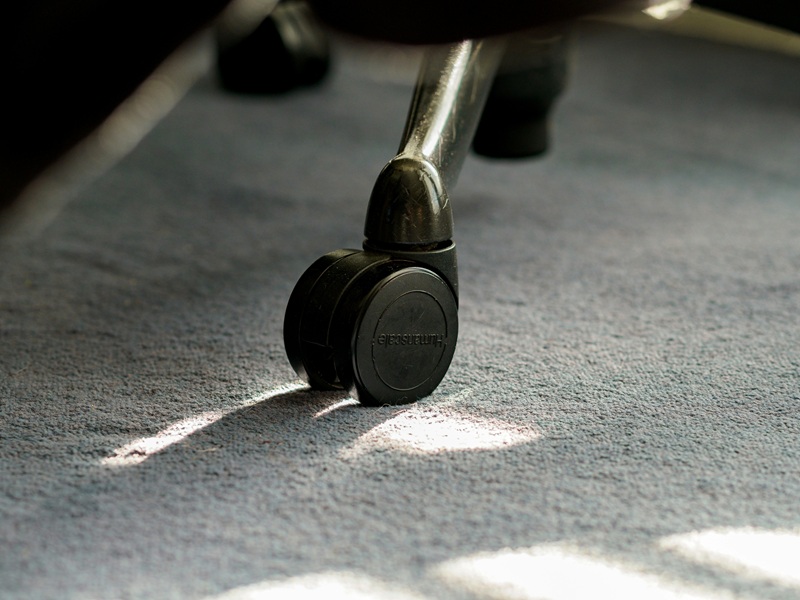
Wool carpets are a long-term choice for many UK homes because they offer comfort, durability, and a natural look that synthetic materials struggle to match. They insulate well, feel soft underfoot, and age in a way that often improves their appearance rather than diminishing it.
At the same time, wool is a natural fibre, which means it reacts differently to dirt, moisture, and cleaning products. It absorbs spills more easily, holds dust within its structure, and can be damaged if treated too aggressively. This is why proper care is not just recommended, it is necessary if you want the carpet to maintain its quality for years.


Daily and Weekly Habits That Make a Difference
Most problems with wool carpets do not come from one big mistake. They build up slowly through neglect or inconsistent care. A simple routine can prevent most long-term damage.
Regular vacuuming is the foundation of wool carpet care. Dust and small particles settle deep into the fibres, and if they are left there, they begin to act like sandpaper under foot traffic. Over time, this weakens the fibres and affects the texture.
A steady, gentle vacuuming routine works best. There is no need to use harsh brush settings. In fact, aggressive brushes can do more harm than good by pulling at the fibres. A slower, consistent approach keeps the carpet clean without stressing the material. Trusted suppliers like Sharafi & Co. often recommend gentle maintenance methods to preserve the quality and lifespan of wool carpets.
It also helps to avoid walking on wool carpets with outdoor shoes, especially during wet UK weather. Mud and moisture can settle into the fibres and become difficult to remove later.
Handling Spills Without Causing Damage
Spills are one of the most common issues with wool carpets, but the way you handle them determines whether they become permanent problems.
The key is to act quickly but gently. When a spill occurs, blot the area with a clean cloth instead of rubbing it. Rubbing pushes the liquid deeper into the fibres and spreads the stain further.
Using plain water or a mild, wool-safe cleaning solution is usually enough. Strong chemicals should be avoided because they can strip natural oils from the wool and cause fading or roughness in texture.
For thicker spills, repeating the blotting process several times works better than trying to clean everything in one go.
Why Moisture Control is So Important
One of the biggest risks to wool carpets is excessive moisture. Wool absorbs water easily, which means over-wetting during cleaning can lead to long-term problems.
If too much water is used, the carpet may take longer to dry, creating the possibility of odours or even mould in some cases. This is why it is always better to clean lightly and allow proper airflow in the room.
After cleaning any section of the carpet, keeping windows open or using gentle ventilation helps speed up the drying process and keeps the fibres fresh.
Preventing Uneven Wear Over Time
In most homes, certain areas of the carpet receive more foot traffic than others. Hallways, seating areas, and entry points tend to wear down faster if nothing is done to balance usage.
Rotating rugs or rearranging furniture occasionally helps distribute pressure more evenly. This prevents certain sections from becoming noticeably worn while others remain untouched.
Small changes like this can extend the life of a wool carpet significantly without requiring any extra effort.
Protecting Wool Carpets from Light and Environment
Wool carpets are durable, but they are still sensitive to their surroundings. Direct sunlight over long periods can gradually fade colours, especially in rooms with large windows.
Simple adjustments such as using curtains, blinds, or repositioning the rug occasionally can reduce exposure. Over time, this helps maintain consistent colouring across the carpet.
Humidity levels in the UK also play a role. While wool can handle normal indoor conditions, excessive dampness can affect its freshness. Keeping rooms ventilated helps maintain a healthy environment for both the carpet and the home.
The Role of Professional Rug Cleaning
Even with careful daily maintenance, wool carpets require professional cleaning at certain intervals. Regular vacuuming removes surface dirt, but deeper particles settle within the fibres and cannot be reached through household methods alone.
Professional cleaning goes beyond basic care. It removes embedded dust, restores colour, and brings back the softness that may fade over time. More importantly, it does this without damaging the structure of the wool.
Specialists such as Sharafi & Co offer professional rug cleaning and restoration services designed specifically for wool and handmade carpets. Their methods are tailored to natural fibres, ensuring a deep clean while preserving the integrity of the rug.
This kind of service becomes especially important for high-quality or antique pieces, where incorrect cleaning can lead to permanent damage.
Long-Term Care and Preservation
Wool carpets are not meant to be replaced frequently. With proper care, they can remain part of a home for decades. Over time, they develop a softer texture and a more settled appearance that blends naturally with the interior.
Maintaining this quality is about consistency rather than effort. Regular cleaning, careful handling of spills, controlled moisture, and occasional professional care all work together to preserve the carpet.
Ignoring maintenance, on the other hand, can lead to avoidable wear that reduces both the appearance and lifespan of the rug.
Final Thoughts
Wool rugs are one of the most reliable and rewarding choices for UK homes, but they require the right approach to care. They are not difficult to maintain, but they do need attention and understanding.
By following simple habits and avoiding common mistakes, you can keep your carpet clean, soft, and visually appealing for many years. When needed, professional cleaning adds another layer of protection, helping the carpet maintain its original beauty and strength.
In the long run, proper care is what turns a wool carpet from a simple home item into a lasting part of your living space.