


















































Millions of UK households now use IPTV to watch TV, and a lot of them are asking the same question: is IPTV legal in the UK? The short answer is yes, but it depends entirely on which service you use. Get it right and you have access to thousands of channels at a fair price. Get it wrong and you risk security problems, sudden service shutdowns, and a legal grey area you did not sign up for. This guide explains exactly where the line is, what the law actually says, and how to keep yourself on the right side of it.
What Is IPTV?
IPTV stands for Internet Protocol Television. In plain terms, it means watching TV content delivered through your internet connection instead of a satellite dish or a cable box. When you use BBC iPlayer, stream Netflix, or watch Sky Go on your phone, you are already using IPTV. The technology is completely standard and completely legal.


Where things get complicated is when IPTV services start showing content they do not have the right to show. A box that gives you Sky Sports, Premier League matches, and hundreds of premium film channels for a one-off payment of £40 or £50 is not doing that legally. Someone has not paid for those broadcast rights, and the cost of that is felt across the whole industry.
With living costs high and subscription fees rising, more people are looking for cheaper ways to watch TV. That is understandable. But knowing the difference between a service that cuts costs the right way and one that cuts corners on the law is worth taking a few minutes to understand.
So Is IPTV Legal in the UK?
IPTV has a clear legal status in the UK. The confusion usually comes from treating the technology and the services as the same thing, when they are not.
A legal IPTV service is one that holds the proper licences to broadcast what it is showing. It pays for the rights to the content it streams, operates with agreements in place with content owners and regulators like Ofcom, charges realistic prices for what it offers, and can be held accountable if something goes wrong.
Think of it this way: the technology itself is neutral. IPTV is not illegal just because some services misuse it. What matters is whether the service you are paying for has done things properly.
The UK government confirmed this position in its 2018 review of illicit IPTV streaming, concluding that existing laws are sufficient to deal with illegal services, with no need for new legislation at the time.
What Makes an IPTV Service Illegal?
An IPTV service becomes illegal when it streams copyrighted content without permission from the people who own the rights. That includes live sports, feature films, TV series, and pay-per-view events that belong to broadcasters who have paid large sums for those exclusive rights.
Common examples are Kodi boxes with unofficial add-ons pre-installed, Android boxes marketed as “fully loaded,” and cut-price subscription services offering thousands of channels for just a few pounds a month. The price is always the first clue.
Three areas of UK law cover this directly. The Copyright, Designs and Patents Act 1988 protects broadcast content and gives rights holders legal recourse. The Digital Economy Act 2017 raised the maximum sentence for online copyright infringement to ten years in prison. The Fraud Act 2006 covers the supply of devices designed to access these services illegally. Together, they give UK authorities real power to act.
What Are the Risks of Using Illegal IPTV?
There are two separate categories of risk here, and they are not the same.
Legal risk
The law targets the people supplying illegal IPTV services, not the people watching them. Trading Standards Scotland referred four individuals to the Procurator Fiscal for the illegal sale and supply of IPTV services in a single enforcement case. Pub landlords who use illicit IPTV to show Premier League football without a commercial licence have faced fines of over £20,000. The UK was the first country in the world to secure criminal convictions for knowingly supplying these devices.
Viewers sit in a different position. UK enforcement agencies have consistently focused their attention on sellers and distributors, not subscribers. There is no documented case of a UK end user being prosecuted simply for watching illegal IPTV. That does not make it risk-free, but the realistic exposure for someone who is only watching is much lower than the headlines often suggest.
Security risk
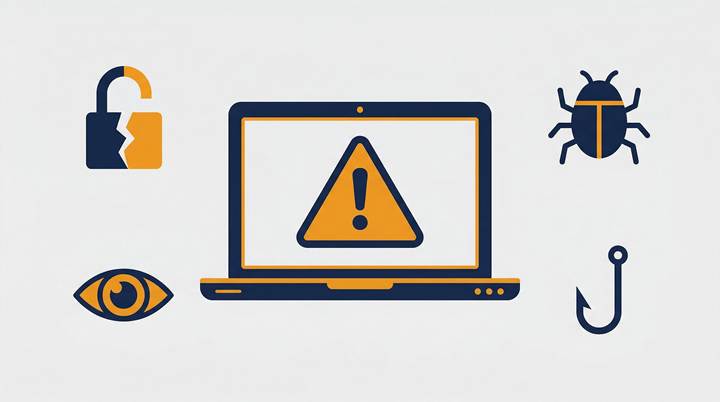
This is where the real, everyday danger lies. Illegal IPTV boxes frequently come loaded with software you did not choose. These devices have been found carrying malware and programs designed to quietly add your home internet connection to a botnet. Your payment details and personal data can be harvested and sold on. If the service is a scam, you may simply never receive what you paid for. Service quality is often poor too, with heavy buffering and sudden shutdowns when providers are taken offline by enforcement action.
What Happens If You Get Caught?
Your ISP can detect patterns in your internet traffic associated with IPTV streaming. For most viewers, the worst realistic outcome is a warning letter from their ISP. This is uncomfortable but carries no criminal consequence.
A bigger concern comes from the supply side. When authorities raid an illegal IPTV operation, they often seize subscriber lists as evidence. If your contact details are in that database, you may receive letters demanding payment. These are sometimes called speculative invoicing letters. They look alarming, but their actual legal weight varies considerably, and many go no further.
Prosecution of viewers for watching is simply not the pattern that UK enforcement has followed. The supply chain is where the legal action is concentrated.
How to Tell If an IPTV Service Is Legal
Finding a good service is straightforward if you know what to look for. A reputable IPTV provider will be transparent about how it operates, what licences it holds, and what it can realistically offer. Any service that is evasive on these points deserves caution.
Here is a practical checklist:
The price makes sense. Legal services pay content rights holders. If a service offers thousands of channels for a couple of pounds a month, that money is not covering proper licences.
They are clear about what they offer. Legitimate providers explain what content they can and cannot provide. Vague claims about “all channels” or “everything included” are a warning sign.
There is real customer support. A business you cannot contact when something goes wrong is not a business you should trust with your payment details.
They have written policies on refunds and cancellations. Legitimate subscription services operate like any other business and honour their terms.
The apps come from trusted sources. Legal services work through official platforms and recognised devices. Being asked to install unofficial software is a red flag.
Legal IPTV Services in the UK
The most well-known legal options in the UK are services with established broadcasting licences. Sky, BT TV, Virgin Media, and Now TV are the main paid platforms. Free legal services include BBC iPlayer, ITV Hub, and All 4, all available without a subscription. Netflix and Amazon Prime Video are both fully licenced for the UK market.
Beyond these household names, IPTV Mate is one example of an IPTV subscription service that operates with clear terms, transparent pricing, no long-term contracts, and no automatic renewals. Newer or smaller providers can be legal too, but the checklist above remains your most reliable guide to separating the trustworthy ones from the rest.
Frequently Asked Questions
Is IPTV illegal in the UK?
IPTV is not illegal in the UK. The technology is the same one used by BBC iPlayer, Sky, and Netflix. What makes a service illegal is streaming copyrighted content without the proper licences to do so.
Can you go to jail for using IPTV?
The ten-year maximum sentence under the Digital Economy Act 2017 applies to people who supply or distribute illegal streams, not to viewers. No UK end user has been prosecuted solely for watching illegal IPTV.
What is the difference between legal and illegal IPTV?
Legal IPTV services pay for the rights to broadcast the content they show. Illegal services offer the same content without paying rights holders. The difference is not visible on screen but is significant in law.
Can I get in trouble for just watching IPTV?
UK enforcement consistently targets suppliers, not viewers. The realistic risks for someone who is only watching are ISP warning letters and, if a provider is raided, potential exposure of their contact details to speculative invoicing letters. Criminal prosecution of viewers is not the pattern enforcement agencies have followed.
Does my ISP know if I am using IPTV?
Your ISP can see the type of traffic on your connection. Legal IPTV raises no concerns. UK courts have also issued injunctions ordering ISPs to block specific illegal IPTV sources, so some services may be cut off at network level during major live events.
Is a VPN enough to make IPTV legal?
No. A VPN hides your traffic from your ISP but does not change the legal status of the service itself. Using an unlicensed IPTV service through a VPN still means using an unlicensed service.
What IPTV services are legal in the UK?
Sky, BT TV, Virgin Media, Now TV, Netflix, Amazon Prime Video, BBC iPlayer, ITV Hub, and All 4 are all legal. Any subscription IPTV service that holds the correct broadcast and content licences also qualifies.
Word Count: approximately 1,680 words