





















































Traditional reverse osmosis filters are one of the classic formats used for under sink reverse osmosis at home. The comparison usually matters most against direct flow RO systems. Both use reverse osmosis technology, but they are built differently. A traditional RO system stores purified water in a tank, while a direct flow system delivers water without a storage tank. This difference shapes convenience, size, water availability, and overall daily use.
What traditional reverse osmosis filters are and how they work
A traditional reverse osmosis filter usually includes several filter stages, an RO membrane, a post filter, and a storage tank. Water first passes through pre filter cartridges that reduce sediment and chlorine-related compounds. It then reaches the RO membrane, where dissolved contaminants are reduced. The treated water is stored in the tank and delivered when needed through a dedicated drinking water filter tap. This tank-based format is what defines a traditional RO system.


Main advantages of traditional RO systems for home water treatment
The main advantage of traditional reverse osmosis filters is stored purified water ready for daily use. This can be practical in homes where water is taken in short repeated portions during the day. Traditional systems are also a familiar filtration system format and remain a widely used option for household water treatment. For many kitchens, this makes a traditional RO system a dependable choice for clean drinking water, stable everyday operation, and straightforward servicing over time.
Common disadvantages, including water waste and slower filtration
The disadvantages become clearer when traditional systems are compared with direct flow RO. A storage tank takes more under-sink space, and once the tank is depleted, water is not available at full volume until it refills. Traditional systems also send part of the inlet water to drain as concentrate, which is why water waste is a common concern. Slower filtration, larger installation footprint, and regular filter maintenance are the main trade-offs. In smaller kitchens, these limits can influence the final buying decision.
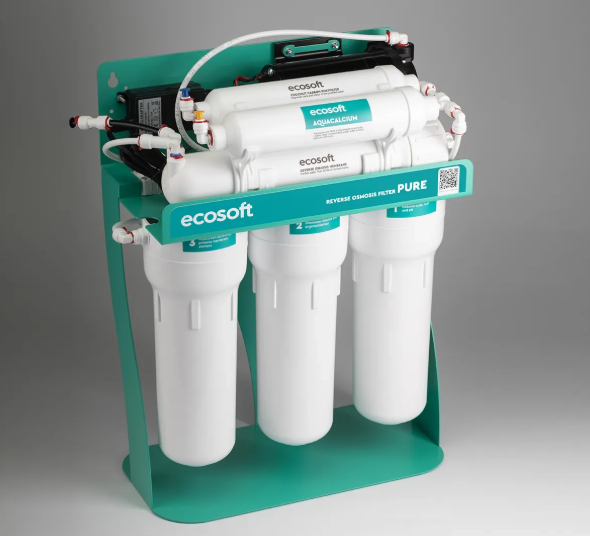
Who should choose a traditional reverse osmosis filter
A traditional reverse osmosis filter is a good fit for homes that want a familiar under sink reverse osmosis format, have enough space for a tank, and use moderate volumes of purified water through the day. It can be the right choice where stable stored water matters more than compact design. It also suits households that prefer a classic home water filter layout with predictable cartridge replacement and simple routine servicing. For many households, that balance still makes traditional reverse osmosis a practical option.
Conclusions
Traditional reverse osmosis filters offer reliable water purification, practical stored water, and a proven multi-stage design. Their main cons, compared with direct flow RO systems, are more space required, slower refill after heavy use, and water waste through the concentrate stream. The better option depends on kitchen space, daily habits, and expectations for convenience. A traditional RO system remains a strong choice where tank-based availability is more valuable than a compact tankless format.

David Prior
David Prior is the editor of Today News, responsible for the overall editorial strategy. He is an NCTJ-qualified journalist with over 20 years’ experience, and is also editor of the award-winning hyperlocal news title Altrincham Today. His LinkedIn profile is here.