





















































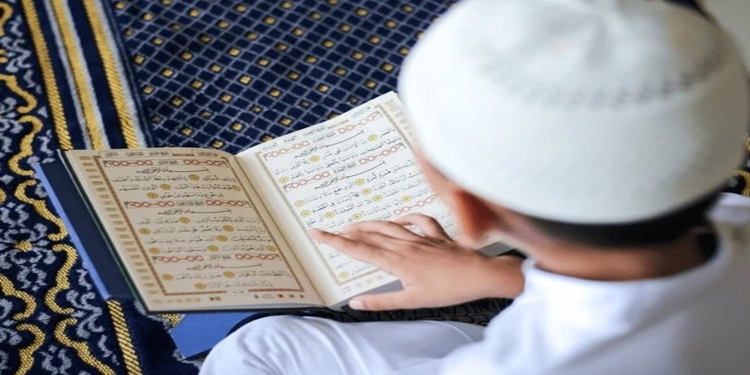
Many Muslim families in the UK face the same daily challenge. Children wake up early for school, spend six to seven hours in classes, come home with homework, and still want to make time for Quran memorisation. Parents often worry: Is it too much? Will the child feel stressed? Can both school success and Hifz go hand in hand? Enrolling in a flexible hifz course for kids can help create a structured balance between school responsibilities and memorisation.
The good news is that balance is possible. Thousands of children across the UK manage both academic studies and Quran memorisation successfully. The key is not pressure. The key is planning, flexibility, and understanding the child’s capacity. With the right structure and support, school kids can grow academically while building a strong relationship with the Quran.


Knowing the Reality of School Life in the UK
Before creating any memorisation plan, it is important to understand a UK school child’s routine. Most children attend school from morning until mid-afternoon. After that, they may have homework, sports clubs, or family responsibilities.
A typical weekday may look like this:
| Time | Activity |
| 7:00 AM | Wake up and prepare for school |
| 8:30 AM – 3:30 PM | School hours |
| 4:00 PM | Rest and snack |
| 5:00 PM | Homework |
| 6:30 PM | Dinner and family time |
| 7:30 PM | Free time or revision |
| 9:00 PM | Sleep |
Looking at this schedule, it is clear that long memorisation sessions may not be realistic on weekdays. That is why short, focused sessions work better.
Can Short Daily Sessions Be Enough?
Yes, they can. Many parents think children must memorise large portions daily to make progress. In reality, small consistent efforts lead to strong results.
Why Consistency Matters More Than Quantity
A child who memorises half a page daily with proper revision will progress more steadily than one who memorises two pages but forgets quickly. Even 20 to 30 minutes a day can be powerful if used wisely.
Short sessions help because:
- The child does not feel overwhelmed.
- Concentration remains strong.
- School energy is not drained.
Small steps every day create long-term success.
Setting Realistic Goals for School Children
Not every child needs to finish the Quran in a short period. Some may take several years, and that is completely fine. The goal should be steady memorisation with strong retention.
Parents can adjust goals based on:
- Age of the child
- Academic pressure (especially GCSE years)
- Natural memory ability
- Personal motivation
For example, during exam season, memorisation targets can be reduced. During school holidays, targets can increase slightly. Flexibility prevents burnout.
Creating a Weekly Balance Plan
A weekly approach often works better than daily pressure. Instead of expecting heavy memorisation every day, families can distribute effort wisely.
Here is an example of a balanced weekly plan:
| Day | Focus |
| Monday – Thursday | New memorisation (small portion) + short revision |
| Friday | Light revision only |
| Saturday | Larger revision session |
| Sunday | Review weak areas and prepare for next week |
This system allows rest days while maintaining progress. It also fits well with the UK school rhythm, where weekends provide more flexibility.
The Role of Early Morning vs Evening Study
Many families wonder: When is the best time for memosization?
Early Morning Advantage
For some children, memorising before school works well. The mind is fresh, and distractions are minimal. Even 15–20 minutes after Fajr can make a big difference.
Evening Option
Other children feel too sleepy in the morning. For them, a short session after Maghrib or before dinner may be more suitable. The key is to observe the child’s energy pattern.
Every child is different. The best time is the one where focus is strongest.
Managing Homework and Quran Together
Homework can sometimes feel overwhelming, especially in secondary school. Without planning, Quran memorisation may get pushed aside.
A simple strategy is to divide study time clearly:
- Finish school homework first.
- Take a short break.
- Start Quran memorisation with a fresh mind.
Clear separation helps the brain switch focus. Mixing both at the same time often leads to frustration.
Parents should also communicate with children. If a child has heavy assignments or exams, memorisation can be lighter that week. Balance protects both goals.
Emotional Support Is Just as Important
Balancing two important responsibilities can create pressure. Children may feel tired or discouraged at times. Emotional support plays a huge role here.
Avoiding Comparison
Comparing a child to others can harm motivation. Every child has different strengths. Some memorise faster; others understand deeper.
Encouragement works better than criticism. Celebrating small achievements builds confidence and love for learning.
Listening to the Child
Sometimes children hide stress. Regular conversations help parents understand how the child feels. Adjustments can then be made early, before burnout appears.
The Importance of Structured Guidance
Many families choose guided memorisation programs. Structured learning brings accountability and clarity.
With a teacher:
- Mistakes in Tajweed are corrected immediately.
- Revision is properly monitored.
- Goals are adjusted according to school demands.
Guided systems often include monthly progress reviews. This ensures the child is not only memorising but also retaining what they learn.
Professional supervision also removes pressure from parents who may not feel confident correcting recitation themselves.
Final Words
Balancing Quran memorisation with school life in the UK is not only possible, it is achievable with proper planning and realistic expectations. Short daily sessions, flexible goals, emotional support, and structured guidance create a healthy rhythm. Instead of pressure, children need consistency and encouragement.
When managed wisely, both academic success and Quran memorisation can grow together. For families seeking structured support that understands the challenges of UK school schedules, online platform like Quran Ayat offers personalized memorisation plans, qualified teachers, and flexible timings to help children succeed in both worlds with confidence and balance.