



















































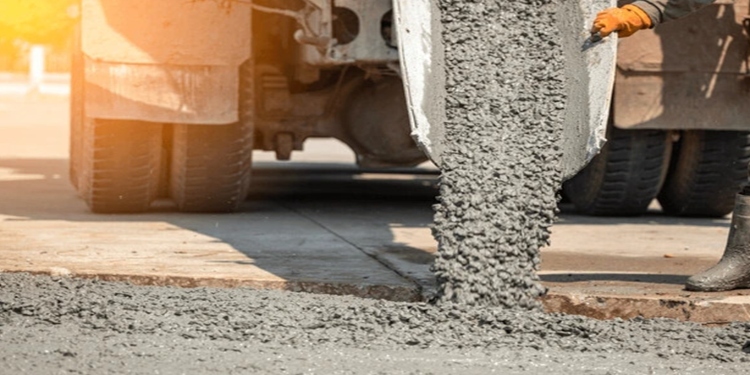
Mixing concrete by hand takes time, effort, and skill. Getting the proportions wrong can ruin your entire project. That’s why many builders and homeowners choose ready mixed concrete instead. It arrives at your site already mixed and ready to pour, saving hours of labour. If you’re building a driveway, foundation, or patio, understanding how this product works helps you make smarter decisions. From ordering the right amount to preparing your site, knowing the basics ensures a smoother pour and better results.
What is Ready Mixed Concrete?
Ready-mixed concrete is factory-batched concrete delivered to your site in mixer trucks. The plant measures and combines all ingredients before loading. This means you get a consistent, professionally proportioned mix without any on-site mixing. It arrives ready to pour directly into your forms.

How Ready Mix Is Made
Production happens at a batching plant under controlled conditions. Workers measure cement, sand, gravel, and water according to specific formulas. Admixtures likeplasticiserss or fibres get added for special applications.
Three mixing methods exist:
- Transit mixing: ingredients mix inside the truck during delivery
- Central mixing: concrete mixes at the plant before loading
- Shrink mixing: partial plant mixing with completion during transport
Each method ensures proper consistency before the truck reaches your location.
Transport, Time Limits, and Site Access
Mixer trucks keep concrete moving during delivery to prevent hardening. However, time limits apply. Most mixes need pouring within 90 minutes of batching. Hot weather shortens this window further.
Your site needs adequate access for large trucks. Check road widths, overhead clearances, and ground conditions before ordering. Trucks can weigh over 30 tons when fully loaded, so soft ground causes problems.
Main Types and Common Uses
Ready made concrete comes in various formulations for different projects:
- Standard mixes for general construction
- High-strength mixes for structural applications
- Fibre-reinforced mixes for crack resistance
- Lightweight mixes for upper floors
- Coloured mixes for decorative work
Common applications include foundations, driveways, patios, sidewalks, and commercial flooring. Structural projects like columns and beams also rely on specialised high-strength formulations.
Key Advantages Over Site-Mixed Concrete
Choosing ready-made concrete offers several benefits over mixing on site:
- Consistent quality from controlled batching
- Faster project completion
- Reduced labour requirements
- Less material waste
- No need to store raw materials
- Professional-grade strength and durability
As a result, contractors prefer it for medium and large projects where reliability matters.
Limitations and Potential Drawbacks
Despite its advantages, ready-mixed concrete has some limitations. Suppliers often require minimum order quantities, typically one cubic yard. Scheduling depends on plant availability, and delays can occur during busy seasons.
Once the truck arrives, you must pour quickly. There’s no flexibility to pause and resume later. In addition, remote sites with poor access may not accommodate delivery trucks at all.
How to Order the Right Mix and Quantity
Provide your supplier with accurate project details when ordering. They need to know:
- Total volume in cubic yards
- Required strength class
- Exposure conditions (indoor, outdoor, freeze-thaw)
- Placement timing and access details
- Special requirements like fibres or colour
Order slightly more than your exact calculation shows. A buffer of 5-10% covers waste, spillage, and minor measurement errors.
Site Prep and Pouring Tips
Proper preparation ensures successful results. Compact and level your base before the truck arrives. Install formwork securely to contain the pour. Place reinforcement like rebar or mesh if your project requires it.
When pouring, work quickly and systematically. Spread concrete evenly, eliminate air pockets, and screed the surface level. Begin curing immediately after finishing to prevent cracking.
Takeaway
Ready-mixed concrete saves time, reduces labour, and ensures consistent quality for projects of any size. Knowing how to order the right mix and prepare your site helps you get professional results without unnecessary stress. Reliable suppliers offering quality mixes, like those from Pro-Mix Concrete, make it simple to plan, pour, and finish your project efficiently, keeping timelines on track and outcomes strong.
FAQs
What is ready-mixed concrete?
It is concrete batched at a plant to specified proportions and delivered to your site in mixer trucks, ready to pour immediately.
What are the main advantages of using ready-mixed concrete?
It saves time and labour, reduces waste, eliminates on-site storage needs, and delivers consistent quality from controlled production conditions.
What is ready-mixed concrete made of?
It contains cement, water, sand, gravel or crushed stone, and may include admixtures like plasticisers, fibres, or air-entraining agents.
When should I choose ready-mixed concrete instead of bagged concrete?
Choose it for medium to large pours or structural work requiring reliable strength, faster placement, and more consistent results.
What do I need to know before ordering ready-mixed concrete?
Know your required volume, strength class, exposure conditions, truck access details, and any special requirements like slump or colour.