





















































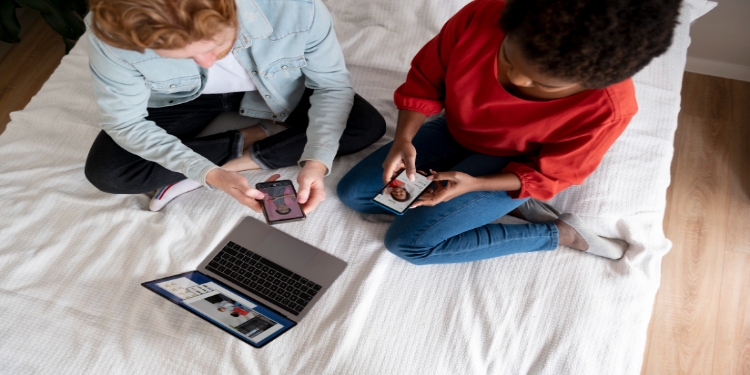
The way people spend their free time has changed completely over the past few years. What used to involve planned outings or structured hobbies now happens in short bursts between other activities. Most of this happens on screens, but not in the way anyone predicted ten years ago.
Leisure time has become fragmented. People grab five minutes here, twenty minutes there, and fill those gaps with content they can pick up or drop without thinking twice. This is not just about convenience but about what feels right when someone finally gets a break.


Quick Gaming Sessions Fit Modern Schedules
Entertainment that blends skill and chance has found a new space in daily routines. These activities fit naturally into spare moments, and platforms have adapted to match this pattern. Speed matters more than ever, particularly when it comes to payments.
CasinoBeats reviews platforms that process withdrawals in hours rather than days. These sites built their systems around quick timelines and transparent processing, which players expect now. The technology supports mobile users and crypto payments, with some transfers completing in minutes instead of the traditional bank delays that could stretch three days or more.
This is not about impatience. Everything from food delivery to streaming has trained people to expect immediate results. When leisure becomes more spontaneous, payment systems need to match that flexibility. Sites that understand this offer features specifically built for mobile and crypto users, including registration without lengthy ID verification upfront.
Phones Became the Default Gaming Platform
Mobile games pulled ahead of consoles and computers. Revenue will hit $103 billion by 2027, taking 55% of the worldwide gaming market. People spend their money where they spend their time, and phones won that battle.
Games on phones work because they travel with you. Someone on a train, in a waiting room, or lying in bed can start playing without extra hardware or setup. There is no real barrier stopping anyone from trying a game, which brought in millions who never bought a console.
Free downloads changed everything. Players try games without paying first, then choose whether to buy extras later. This model keeps people coming back because they only spend money when they actually want to, not because they have to. Players stuck with what they liked and spent more time inside those games instead of jumping around.
Quick Videos Took Over Screens
The video broke apart into smaller pieces. Full-length shows still get watched, but short clips grabbed most of the attention. People flip through seconds-long videos that need zero commitment.
Streaming platforms now dedicate 30% of their total watch hours to mobile games. Titles that work on phones pull massive viewer numbers. Watching someone play and playing yourself turned into the same hobby.
What hooks people goes deeper than the videos themselves. Feeds never run out because algorithms keep serving up new clips without anyone needing to search. That hands-off viewing works perfectly when someone wants their brain on autopilot.
Friends Connect Through Screens Now
Socializing split into two worlds. People stay close through messages, voice chats while gaming, and video calls that let them hang out without meeting up. Being together in person versus being together online stopped feeling different.
This changed how people pick their activities. Planning a night out takes effort and coordination. Logging into a shared space where everyone shows up from their own couch takes none. Gaming offers one way to do this, but people also watch things together online, work on projects remotely, and spend time in virtual spaces that feel just as real.
Meeting face to face still happens, but needs a reason now. When people actually get together physically, there is usually something specific planned rather than just showing up to see what happens. The online option became the path of least resistance.
Relaxation Beats Productivity
People stopped caring about self-improvement during free time. Leisure became about easy routines instead of hobbies that track progress. Walks without destinations, small tidy-up sessions, dabbling in creative things without finishing them — these activities took priority.
The pandemic probably started this, but it lasted because people realised they like feeling comfortable more than feeling accomplished when they are off the clock. Intense hobbies and competitive activities still appeal to some, but more people just want to unwind without pressure.
Homes reflect this too. Furniture that works multiple ways, storage that hides clutter, and rooms set up for whatever mood strikes support low-effort routines. Downtime should recharge you, not add more tasks to your list.
Wrapping Up
Digital habits rebuilt how people use their spare moments. This is not a phase that will reverse but a permanent rewiring of leisure itself. Fast, easy, and adaptable options replaced anything that demanded advance planning.
Mobile games, instant payouts, endless video feeds, and online hangout spots all answer what people actually want: free time that bends around their lives instead of the other way around. Technology finally caught up to how humans naturally want to relax.

David Prior
David Prior is the editor of Today News, responsible for the overall editorial strategy. He is an NCTJ-qualified journalist with over 20 years’ experience, and is also editor of the award-winning hyperlocal news title Altrincham Today. His LinkedIn profile is here.