



















































Across the UK, the way people furnish their homes has shifted toward comfort, clarity, and long-term practicality. This trend is not driven by dramatic makeovers but by thoughtful decisions rooted in how people actually live. Recent market reports show that British households are investing more in pieces that balance style with longevity, a sign that furniture has become part of a broader lifestyle shift rather than a simple decoration choice. As these patterns take shape, they reveal how design, behaviour, and daily routines are converging.
A key driver behind this shift is the growing desire for calm, organised interiors. Many UK residents have restructured their homes to function as blended spaces for work, rest, and everyday life. This change has raised expectations for furniture that feels purposeful and adaptable.

In many homes and businesses, swivel bar stools have become a popular choice because they offer easy movement and a relaxed seating option for kitchen islands and breakfast nooks, adding both comfort and a modern touch without overwhelming the space. Whether the goal is a more comfortable living room, a dining area that encourages more extended conversations, or a workspace that feels productive rather than pressured, design now plays a central role in creating emotional balance at home.
Embracing Softer Minimalism and Warmer Materials
One of the strongest trends across the UK is the move toward softer minimalism. Clean lines still matter, but homeowners now prefer a warmer, more lived-in feel to strict visual austerity. Textured fabrics, natural timber, and rounded edges are replacing the sharper silhouettes familiar a few years ago. This softer approach aligns with a rising interest in emotional well-being. Research from interior lifestyle surveys shows that nearly sixty percent of UK residents feel calmer in homes with fewer visual distractions and more natural materials.
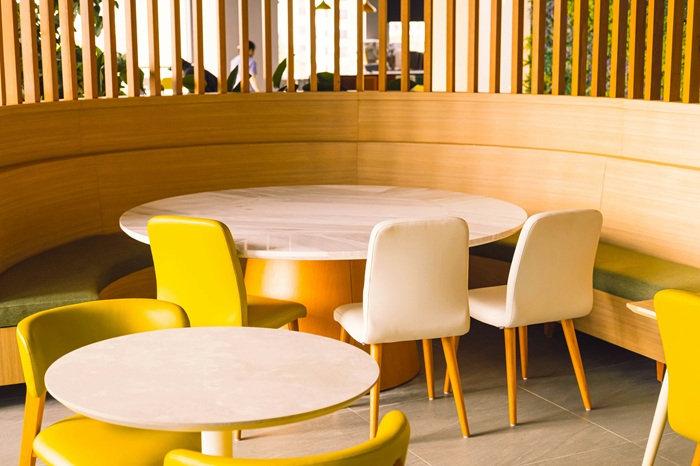
Dining spaces reflect this change as well. People are choosing sturdy wooden tables, upholstered dining chairs, and mixed textures that make the room feel welcoming for everyday meals and weekend gatherings. Seating has become comfort-oriented, with many households adding counter-height stools or upholstered bar-style seating to create relaxed breakfast corners. These small changes support new daily rituals, turning quick meals into slower, more enjoyable pauses.
Warm colour palettes also continue to gain traction. Soft browns, muted greens, and earthy neutrals help create environments that feel grounded. They work exceptionally well in open plan layouts, where different zones need visual harmony without feeling repetitive.
Functional Pieces Designed for Real Life
British homeowners are also choosing furniture that adapts to smaller, more efficient living spaces. Flats in major cities like London, Manchester, and Bristol increasingly rely on multifunctional pieces that maximise every square metre. Fold-away desks, modular sofas, and extendable dining tables are common choices because they support varied routines without overcrowding the room.
There is a practical mindset behind these choices. People want durable materials that stand up to everyday use, from engineered wood built for longevity to metal frames designed for stability. Industry data show a rise in demand for furniture with easy-to-maintain finishes, reflecting busy urban lifestyles where time and energy are limited.
Home offices remain a significant influence on buying decisions. Adjustable task chairs, ergonomic desks, and light-filled layouts are helping people create work zones that feel healthier and more focused. This trend reflects the UK workforce’s embrace of hybrid schedules. Productivity studies indicate that individuals working in supportive environments report higher engagement and a stronger sense of balance between personal and professional life.
As multifunctional design evolves, several features continue to stand out:
- Modular seating that adapts to social and solo moments
- Storage is integrated into coffee tables and beds.
- Compact dining solutions for smaller kitchens
These features help households create cleaner, more efficient living spaces without compromising character.
Looking Ahead With a Practical Sense of Style
The UK’s furniture trends reveal a deeper conversation about how people want their homes to feel. There is a clear shift toward warmth, functionality, and emotional comfort. Instead of chasing trends for their own sake, homeowners are choosing pieces that support daily life with stability and character. A calm space becomes easier to maintain. A flexible layout makes the day flow more naturally. And a home filled with durable, welcoming materials becomes a place people look forward to returning to.
As design continues to evolve, the most popular trends will likely remain the ones that help people live better rather than simply decorate differently. The UK is embracing a future where furniture not only fills a room but also shapes the rhythm of life within it.