

















































Each day, we make countless decisions—some so small they barely register, others bold enough to set our lives on a new course.
Whether it’s choosing what to eat for breakfast or deciding to change jobs, our choices add up and shape who we become.


What pushes us to take a leap instead of sticking with the familiar? For many, it’s a mix of curiosity, ambition, and a willingness to see what happens next.
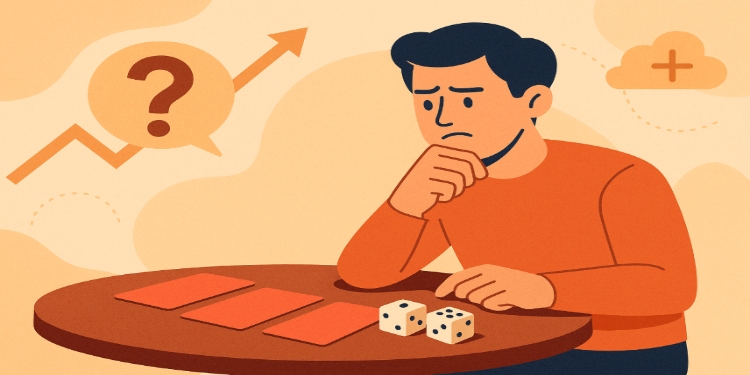
This article digs into how we weigh risks against rewards, and why leaning into uncertainty can open doors that routine never will.
If you’re interested in growing, adapting, or just living life more fully, understanding the art of decision-making is worth your time.
Smart betting strategies for everyday choices
Most people think of betting as something reserved for casinos or sports fans, but the logic behind it pops up everywhere in daily life.
Every time you weigh a job offer, negotiate a contract, or even choose a route to work, you’re quietly using principles borrowed from games of chance.
The real secret isn’t about luck—it’s about understanding odds, assessing risks, and setting clear limits before jumping in.
I’ve found that a smart betting mindset can make decisions feel less daunting. Instead of simply guessing or hoping things will work out, you learn to look at your choices with a practical eye—what do you stand to gain? What might you lose?
Platforms like smart betting guide break down these ideas with honest reviews and practical advice. They teach you how to evaluate situations objectively, whether it’s picking the right insurance plan or deciding when to push for a promotion.
By thinking like a strategic bettor—setting boundaries on losses, researching your odds, and never wagering more than you can handle—you put yourself in control of uncertainty rather than at its mercy.
This approach doesn’t guarantee wins every time. What it does offer is peace of mind knowing your choices are informed and intentional, not just shots in the dark.
The psychology of risk: why we take chances
Why do some people leap at new opportunities while others hesitate at the edge? Our approach to risk is far from random—it’s shaped by a mix of personality, emotion, and life experience.
For some, the thrill of uncertainty brings excitement and motivation. For others, fear of missing out nudges them to act, even if the outcome is unclear.
Each choice we make—whether it’s switching careers or picking a new restaurant—is influenced by these internal drivers. Understanding what pushes us to take chances helps us navigate daily decisions with greater self-awareness.
Personality types and risk appetite
Risk tolerance varies widely from person to person. Optimists often see potential rewards where others spot danger, making them more comfortable with chance-taking.
Impulsivity plays a role as well. Those who act quickly on gut feelings might embrace risk without overanalyzing possible downsides. Meanwhile, people who are naturally cautious tend to weigh every option before deciding.
Openness to experience is another factor. People who enjoy novelty and learning are likelier to try new things—even if success isn’t guaranteed. These personality traits create a spectrum: from natural risk-takers to those who prefer certainty and routine.
The role of emotion in decision-making
Emotions can tip our choices in unexpected directions. Excitement may push us toward bold moves, while anxiety might cause us to hesitate or avoid change altogether.
Regret also shapes our approach. If we’ve missed out before, we might be more willing to take a chance next time—or become even more cautious to avoid disappointment.
Emotion-Impacted Decision Making: A 2023 study published on ResearchGate found that emotions like sadness and anxiety can significantly impact decision-making in risky situations, sometimes leading to more risk-seeking behavior. This research highlights how important it is to recognize when our feelings are influencing what looks like a rational choice.
Risk and reward: turning uncertainty into opportunity
Uncertainty is part of every important decision, whether you’re considering a new job, launching a product, or just choosing where to invest your time.
The potential for reward often hides behind a wall of risk. Learning how to size up these situations—rather than avoiding them—can open the door to growth and new experiences.
It’s not about eliminating all risk, but finding ways to weigh what you might gain against what you could lose, so you can step forward with confidence.
Assessing potential gains and losses
When I’m faced with a tough call, I break it down with simple tools. A pros-and-cons list on paper forces me to look at the situation from multiple angles.
If I’m unsure about outcomes, I’ll estimate the odds or talk through possible results with someone I trust. Even quick probability estimates—like “is there a one-in-four shot this works?”—make abstract risks feel more real.
This habit doesn’t guarantee success, but it helps cut through emotion and guesswork. The more honest you are about both upside and downside, the clearer your choices become.
Learning from mistakes: the upside of failure
No one likes failing. But looking back, some of my best decisions came right after things went sideways—because that’s when I actually paid attention to what didn’t work.
A 2024 review in APA PsycNET shows that failures—whether at work or in personal life—are powerful opportunities for learning. The research found that analyzing and reflecting on setbacks can build resilience and improve future decision-making outcomes.
If you treat every stumble as feedback instead of proof you shouldn’t have tried, the next risk feels less daunting—and your odds of success go up each time.
Modern tools for smarter decision-making
It’s easier than ever to bring clarity to uncertain choices thanks to today’s digital resources.
Apps, algorithms, and online communities can help you see risk from new angles and act with more confidence.
These modern tools are changing how we weigh options, get advice, and learn from real data—not just our gut instinct.
Apps and algorithms: decision support in your pocket
I’ve noticed more people turning to mobile tools for everyday choices—whether it’s which stock to buy or how much to save each month.
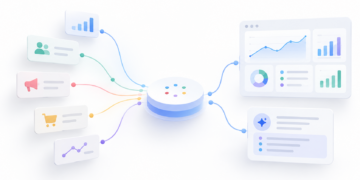
Decision apps now offer features like scenario planning, probability forecasts, and quick visual breakdowns of potential outcomes.
You can plug in your priorities or goals, then see the likely results play out before you commit.
This takes some pressure off your intuition and adds a layer of logic to everything from budgeting to planning a vacation or even making health decisions on the go.
The power of peer insight: learning from others
Sometimes, the smartest move is asking what others think—especially when you’re stuck or worried about blind spots.
Crowdsourcing platforms let you post questions anonymously or join groups facing similar dilemmas. Honest input helps you spot overlooked risks or opportunities.
A 2025 article in The Clinton Courier highlights several new digital decision tools that harness community wisdom. These platforms make tough choices less isolating and a lot more manageable by turning group experience into practical guidance for everyday life.
Finding satisfaction in uncertainty: why embracing chance matters
Taking chances isn’t about reckless decisions—it’s about recognizing that growth often lives outside our comfort zone.
When we understand what drives our risk-taking and learn from every outcome, even setbacks become opportunities to get stronger and wiser.
Modern tools and community insights now make it easier than ever to make informed choices, but the art of decision-making remains deeply personal.
If we stay open to uncertainty and view each choice as a learning moment, we set ourselves up for richer experiences—and a life shaped by confident decisions, not regret.

David Prior
David Prior is the editor of Today News, responsible for the overall editorial strategy. He is an NCTJ-qualified journalist with over 20 years’ experience, and is also editor of the award-winning hyperlocal news title Altrincham Today. His LinkedIn profile is here.