





















































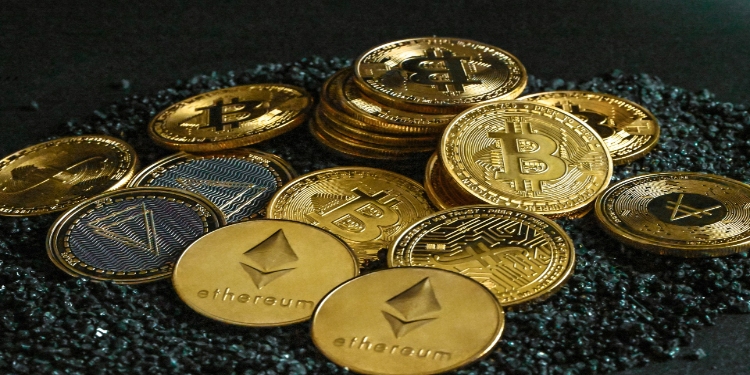
The iGaming sector enters 2026 with sharper tools, stronger anti fraud systems and new ways to move value across platforms. Casinos with multi brand ecosystems, including hybrid setups that combine casino and sportsbook elements, blend sports wagering, slots and live games under unified payment layers. Crypto adds speed and flexibility, while blockchain strengthens trust. Operators adjust to compliance demands and explore models that make onboarding easier for players.


Regulation Pushes Casino Platforms Toward Higher Transparency
Rules that applied mainly to exchanges now reach online gaming services, including platforms like https://roulettino-eu.com/ that experiment with crypto-friendly payment paths that accept digital assets. European markets adopt the MiCA framework, which enforces clear standards for token reserves and reporting. Since these rules influence payment providers and custodial wallets, operators adapt their flows. Stablecoin issuers follow strict reserve requirements and offer more predictable conditions for cross border play.
Asia shows a different pattern. China keeps its restrictive stance and warns about misuse of virtual currencies. This shapes how aggregators route payments and manage risk segmentation. The United Kingdom fine tunes its own stablecoin regime and allows part of reserves to sit in short term government debt. These shifts matter because casinos rely on external providers to settle deposits and payouts.
KYC Automation Becomes a Core Part of Onboarding
Gaming platforms feel pressure to filter fraud without slowing down registration. Verification vendors recorded sharp growth in identity checks over recent years. Juniper Research documented more than seventy billion digital identity checks in 2024, driven by account theft and repeated bonus abuse. Advanced KYC systems detect deepfake attempts by reading metadata and comparing behaviour traits. Operators use these tools to keep registration simple for real players and stop synthetic identities.
Continuous monitoring gains traction. Instead of one time checks, risk engines track transaction patterns and session behaviour. Players bump into fewer manual reviews because automated flows catch anomalies early. This protects loyalty programs and limits chip dumping schemes.
A few elements show why automated screening fits casino operations.
- Verification of documents takes minutes and reduces drop off during sign up.
- Behaviour fingerprints expose multi account rings that seek to exploit bonuses.
- Travel Rule aligned providers help casinos that work with licensed payment partners.
These practices support stable margins and give teams a clearer picture of who enters the platform.
AI Systems Influence Gameplay and Security
AI tools sit behind several layers of modern casinos. Risk teams use them to monitor wallet activity, flag rapid balance swings and detect algorithmic wagering. On chain agents read blockchain data and mark addresses tied to laundering patterns. This shortens reaction time when platforms face targeted attacks.
Front end products evolve as well. Wallets with conversational prompts guide players through network fees, token swaps or bridging. AI assistants explain how to top up balances with crypto and avoid common mistakes. Some operators test predictive models that suggest safer limits based on previous sessions.
Here are several areas where AI support improves user flow.
- Payment routers choose optimal networks when players deposit digital assets.
- Smart dashboards warn about risky contracts before a user sends funds.
- Models detect bot betting sequences and help teams keep games fair.
These tools allow multi brand operators to manage large traffic volumes while keeping fraud at manageable levels.
Tokenized Assets Enter the Gaming Economy
Real world asset tokenization draws interest far beyond financial markets. In 2025 Deutsche Bank estimated the value of tokenized real assets at roughly thirty three billion dollars. When stablecoins join the view the combined figure climbs above three hundred billion dollars. Casinos see this as a source of stable liquidity for treasuries and loyalty programs.
Some projects show deep links between traditional finance and blockchain networks. Ondo Finance passed the capital base of Securitize from BlackRock in the area of tokenized US Treasuries and held around five hundred million dollars in related instruments. These assets attract operators that want transparent and liquid reserves.
Banks in Europe explore their own paths. A group of ten institutions formed qivalis with a plan to issue a euro stablecoin after receiving an electronic money licence. The expected launch window points to the second half of 2026. Such products appeal to casinos that serve European audiences and aim to reduce volatility during payouts.
RWA tokens open room for fresh loyalty mechanics. Platforms consider point systems backed by interest bearing assets instead of simple credits. This helps align rewards with treasury performance and adds clarity for players.
A compact outline shows how RWA blends into iGaming.
- Settlement speeds up because token transfers remove several clearing steps.
- Stable value instruments lower risk when handling high volume jackpots.
- Players gain optional exposure through reward systems that rely on tokenized instruments.
This direction supports operators that want predictable capital structures and transparent balance sheets.
Closing Thoughts
The iGaming sector adapts to crypto trends with steady confidence. Regulation builds a clearer compliance map for payment partners. Automated KYC improves registration flow and protects bonus systems. AI strengthens both gameplay integrity and operational security. Tokenized assets expand how casinos manage reserves and loyalty programs. Multi brand operators that follow these developments move into 2026 with tools that support safer sessions and smoother payments.

David Prior
David Prior is the editor of Today News, responsible for the overall editorial strategy. He is an NCTJ-qualified journalist with over 20 years’ experience, and is also editor of the award-winning hyperlocal news title Altrincham Today. His LinkedIn profile is here.