




















![5 Best CFD Brokers for Beginners [UK, 2026]](https://todaynews.co.uk/wp-content/uploads/2026/03/Invest-360x180.jpg)





























If you’ve spent any time browsing bathroom inspiration lately, you’ve probably noticed a growing love for clean lines, calm spaces, and designs that feel both modern and timeless. Somewhere in the middle of this movement sits a quiet star: back to wall baths.
They don’t shout for attention. They don’t rely on ornate feet or dramatic shapes. Instead, they do something far more appealing for many UK homeowners — they solve practical problems while still looking effortlessly stylish.


In this guide, I want to walk you through everything you need to know about back to wall baths, from how they work and where they shine, to whether they’re right for your home.
What Are Back to Wall Baths?
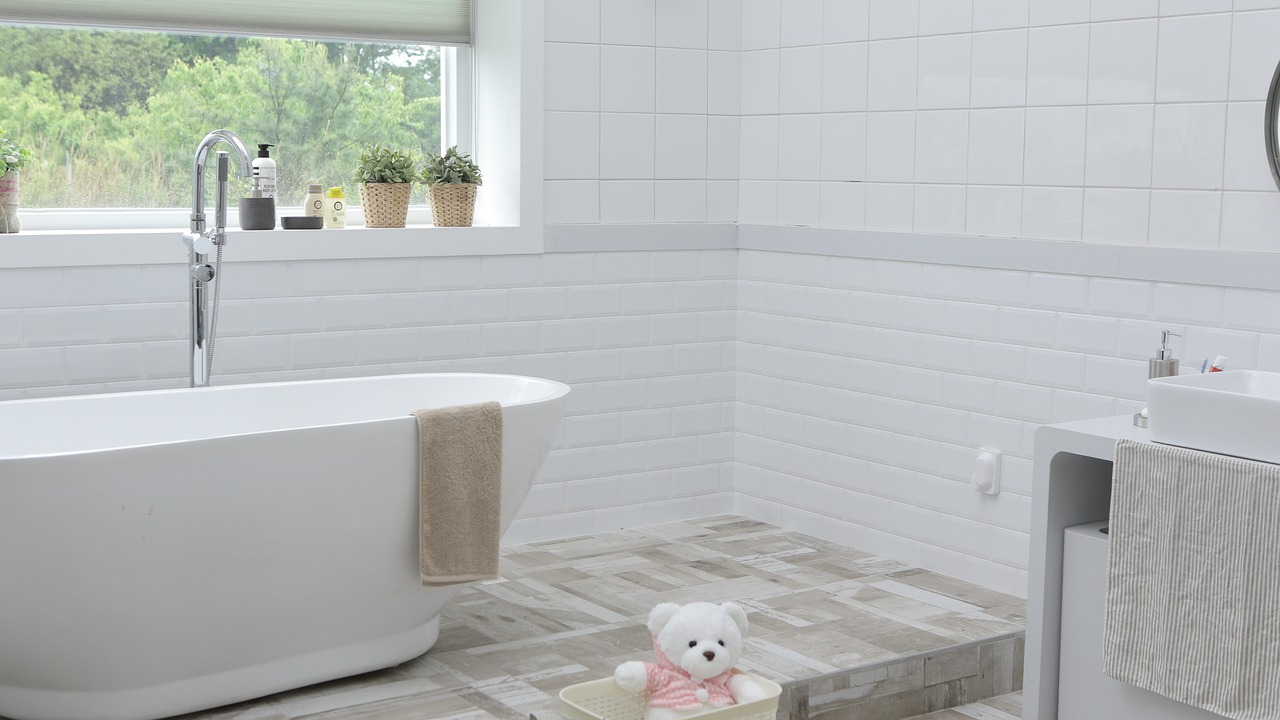
At their simplest, back to wall baths are freestanding-style baths designed to sit flush against one or more walls. You get the visual presence of a standalone bath, without needing space on all sides.
Think of them as a hybrid between:
l A fully freestanding bath
l A built-in or inset bath
They bridge the gap beautifully.
How They Differ from Freestanding Baths
Traditional freestanding baths need clearance all around. That looks stunning in large bathrooms, but it can feel impractical in many UK homes where space is tight.
Back to wall baths keep one or more sides against a wall, meaning:
l Less wasted floor space
l Easier pipework positioning
l Cleaner edges
You still enjoy that sculptural look — just in a more space-conscious way.
How They Differ from Built-In Baths
Built-in baths are typically boxed in and tiled on three sides. They’re practical, but visually simpler.
Back to wall baths, on the other hand:
l Expose the front face of the bath
l Create a furniture-like presence
l Feel more design-led
It’s a subtle difference, but one that changes the entire feel of a bathroom.
Why Back to Wall Baths Work So Well in UK Bathrooms
British homes come in all shapes and ages — Victorian terraces, post-war semis, modern flats, and everything in between. Back to wall baths slot into this variety with ease.
Space Efficiency Without Compromise
Let’s be honest: most of us don’t have sprawling spa-sized bathrooms.
Back to wall baths:
l Use space more efficiently than freestanding tubs
l Feel more open than fully built-in baths
l Work in small, medium, and large rooms
It’s one of the rare design choices that doesn’t force a compromise between looks and practicality.
Simpler Plumbing
Because the bath sits against a wall, pipework can run behind it rather than through the floor.
That often means:
l Easier installation
l Lower labour costs
l Fewer surprises during fitting
For renovations, this alone can be a big advantage.
Aesthetic Appeal: Subtle, Calm, and Contemporary
Back to wall baths tend to suit people who appreciate understated design.
They don’t try too hard.
Clean Lines and Visual Calm
Most designs feature:
l Smooth silhouettes
l Gentle curves or crisp straight edges
l Minimal ornamentation
This creates a calm focal point rather than visual noise.
Works with Many Styles
Despite their modern reputation, back to wall baths adapt well to different looks:
l Scandinavian-inspired bathrooms
l Contemporary minimalism
l Soft industrial
l Even modern-classic spaces
It’s all about the surrounding finishes.
Materials Commonly Used in Back to Wall Baths
The material affects everything from heat retention to durability.
Acrylic
Lightweight, affordable, and warm to the touch.
Pros:
l Budget-friendly
l Easy to install
l Good heat retention
Cons:
l Can scratch more easily
l Feels lighter
Stone Resin (Solid Surface)
A popular mid-to-premium option.
Pros:
l Excellent heat retention
l Heavier, more solid feel
l Matt finishes available
Cons:
l Higher cost
l Heavier to manoeuvre
Cast Iron
Traditional but still available in back-to-wall formats.
Pros:
l Outstanding heat retention
l Extremely durable
Cons:
l Very heavy
l More expensive
Most UK homeowners lean toward acrylic or stone resin for practicality.
Choosing the Right Size
One of the biggest mistakes people make is choosing a bath based purely on looks.
Measure Twice (Then Measure Again)
Check:
l Overall room length and width
l Door swing
l Toilet and basin clearances
Leave comfortable walking space around the bath area.
Typical Sizes
Common lengths range from:
l 1500mm
l 1600mm
l 1700mm
Depth varies too, which affects soaking comfort.
Comfort Matters More Than You Think
A beautiful bath that’s uncomfortable quickly becomes decorative furniture.
Backrest Angle
Some back to wall baths have a gentle slope at one end. Others are double-ended.
Test if possible, or check technical drawings.
Rim Width
A slightly wider rim:
l Feels more substantial
l Makes getting in and out easier
Small details add up.
Taps and Fittings
Tap choice has both practical and aesthetic impact.
Wall-Mounted Taps
Very popular with back to wall baths.
Benefits:
l Clean look
l No drilling into bath body
Deck-Mounted Taps
Installed on the bath itself or nearby ledge.
Benefits:
l Traditional feel
l Easier access for some users
Both work — it’s largely personal preference.
Installation Considerations
Even the best bath won’t perform well if installed poorly.
Floor Strength
Stone resin and cast iron baths are heavy. Always confirm floor load capacity, especially in upstairs bathrooms.
Access Panels
Ensure future access to waste and pipework is possible.
This small planning step saves headaches later.
Cleaning and Maintenance
One of the underrated benefits of back to wall baths is easier cleaning.
Fewer Dust Traps
Unlike freestanding baths, there’s no awkward gap behind the tub.
Less bending. Less scrubbing.
Gentle Cleaners Only
Avoid harsh abrasives.
A mild detergent and soft cloth keep surfaces looking new.
Are Back to Wall Baths Suitable for Families?
Short answer: yes, in many cases.
Better Stability
Because they’re fixed against a wall, they feel more stable than fully freestanding tubs.
Easier Supervision
The layout makes it easier to assist children during bath time.
That said, households with very young children may still prefer integrated bath-shower combinations.
Common Myths About Back to Wall Baths
Let’s clear up a few misconceptions.
“They’re Only for Modern Homes”
Not true. With the right finishes, they work beautifully in period properties too.
“They’re Hard to Install”
In reality, they’re often simpler than freestanding options.
When a Back to Wall Bath Might Not Be Ideal
Honest guidance matters.
You may want to reconsider if:
l You want taps in the centre of the room
l You love ornate clawfoot designs
l You have extremely limited wall space
No product suits everyone.
Seeing Real-World Examples
If you’re browsing different styles and shapes, collections like this back to wall bath range can be useful for understanding what’s available and how varied designs have become.
(Notice how different silhouettes create very different moods.)
Cost Expectations in the UK
Prices vary widely.
Entry-Level
Acrylic models typically start in the few-hundred-pound range.
Mid-Range
Stone resin models sit higher but offer better weight and feel.
Premium
Designer finishes and cast iron command top prices.
Budget also needs to include:
l Taps
l Waste
l Installation
Environmental Considerations
Sustainability matters more than ever.
Heat Retention
Better heat retention = less hot water used.
Stone resin and cast iron perform well here.
Longevity
Buying a bath that lasts decades is more sustainable than replacing cheap models frequently.
Designing a Bathroom Around a Back to Wall Bath
Start with the bath as the anchor.
Flooring
Large-format tiles, microcement, or engineered wood (with proper sealing) work well.
Lighting
Soft wall lights or concealed LED strips enhance the sculptural quality of the bath.
Storage
Wall-mounted cabinets and recessed niches keep the space feeling open.
My Personal Take (From Years in UK Bathroom Projects)
I’ve seen design trends come and go.
Back to wall baths have stuck around because they solve real problems.
They offer:
l Better space usage
l Easier cleaning
l Timeless aesthetics
That combination is rare.
For most UK homes, they strike one of the best balances available today.
Final Thoughts
Choosing a bath isn’t just about trends — it’s about how you live.
Back to wall baths quietly tick a lot of boxes:
l Practical
l Attractive
l Adaptable
l Comfortable
If you’re planning a bathroom renovation and want something that feels considered rather than flashy, they’re well worth your attention.
Sometimes, the smartest choices are the ones that simply make everyday life easier — and look good doing it.