














































Holidays are meant to lower stress, not exacerbate it. The opposite can often end up being the case however, particularly if you’re ill-prepared and something goes wrong that you weren’t expecting. The best travel safety is boring prep done early: a few checks before departure, some simple habits in transit, and sensible choices once you’re on the ground.
Planning Ahead: Research and Preparation
Start with a quick “risk scan” of your destination: local safety updates, entry requirements, health advice, and what help looks like if something goes wrong.


A few practical pre-trip checks:
- Travel insurance: buy it early, check exclusions, and make sure it covers your planned activities (especially if you’ll do anything adventurous).
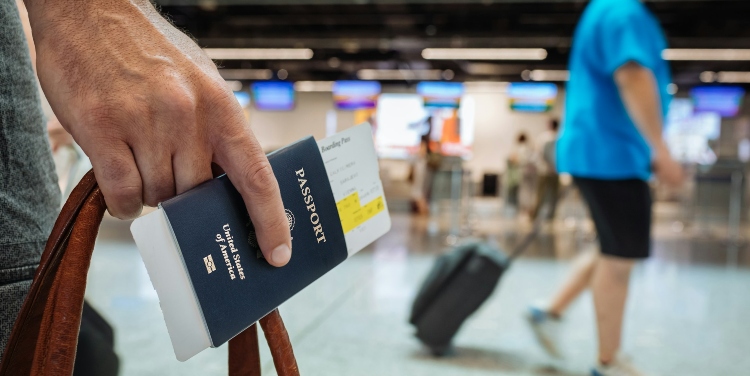
- Documents: take photo copies/screenshots of passports, bookings, and insurance details and store them securely (cloud + a trusted contact).
- Health prep: check destination-specific health guidance (vaccines, food/water risks, insect precautions) and pack essentials accordingly.
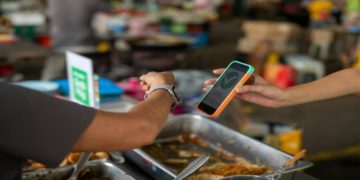
- Money: While it’s true there are many countries that are largely cashless at this point, you should always exchange your cash in advance. Many shops and services might be cash only and if you order travel money in advance you’ll get a much fairer exchange rate.
Staying Safe in Transit
Transit is where people are distracted, which makes it prime time for theft and scams.
Keep it simple:
- Keep valuables out of back pockets, and don’t put your phone on café tables in busy areas.
- Use a cross-body bag or keep zips facing inward in crowds.
- Separate essentials: don’t carry all cards/cash together.
- Use reputable transport: official taxi ranks, metered taxis, or app-based rides where possible.
- Stay alert in queues and stations as that’s where “bump and lift” thefts happen.
Health Precautions on Holiday
Most holiday illnesses are preventable with basic habits: hand hygiene, hydration, heat management, and food caution.
Focus on:
- Hand hygiene: especially before eating and after animal attractions.
- Food and water caution: be careful with undercooked food, unpasteurised dairy, buffets left sitting warm, and ice/water in higher-risk settings.
- Sun protection: NaTHNaC advises avoiding peak sun exposure (typically 11am–3pm) and using effective sun protection.
- Hydration and heat: UK public health guidance for travellers highlights drinking plenty of water and taking heat seriously when travelling in hotter conditions.
- Prescription medicines: pack enough for the trip (plus extra), keep them in original packaging, and carry essentials in hand luggage.
Outdoor Activities and Adventure Safety
Outdoor pursuits are often the highlight and the source of preventable injuries when people book impulsively or assume insurance covers everything.
Before you commit:
- Book reputable operators with clear safety briefings and appropriate equipment.
- Check what your insurance covers (water sports, cycling, altitude activities, etc.).
- Follow local rules and conditions (flags on beaches, weather warnings, trail closures).
- Don’t let confidence outrun competence: fatigue, heat, and alcohol don’t mix well with adventure.
Quick “worth-it” habits
A few small habits make the biggest difference:
- Save local emergency numbers and your accommodation address in your phone.
- Share your rough plan with someone at home (especially if hiking).
- Keep a small kit: plasters, rehydration salts, pain relief, sanitizer, blister care.
- If something feels off, then step away and reset.
And remember, holiday safety isn’t about being paranoid and over-protective. It’s about reducing avoidable risks so the only surprises and memories you come home with are good ones.

David Prior
David Prior is the editor of Today News, responsible for the overall editorial strategy. He is an NCTJ-qualified journalist with over 20 years’ experience, and is also editor of the award-winning hyperlocal news title Altrincham Today. His LinkedIn profile is here.