















































Hygienic Laser Cleaning for Food, Kitchen, and Medical Equipment Manufacturing
For production managers and quality engineers in food and medical manufacturing, stainless steel welding problems often don’t appear on the welding floor—they show up later, during inspections, audits, or repeated cleaning complaints.
In industries such as food processing, commercial kitchen equipment, and medical device manufacturing, stainless steel welding is not just a structural process. It directly affects hygiene compliance, corrosion resistance, and long-term product reliability. Achieving a strong weld is only the beginning. What truly determines success is the surface condition before and after welding.


Why Stainless Steel Welding Requires More Than Just Good Welds
The real hygiene requirements behind stainless steel welds
Stainless steel welds used in food and medical environments face constant exposure to moisture, detergents, steam, and sanitation chemicals. Any residue, oxidation, or surface inconsistency around the weld seam can become a long-term hygiene concern.
From a manufacturing perspective, acceptable welds must be:
- Clean and uniform
- Free from oil, oxidation, and residues
- Easy to clean and resistant to corrosion
These requirements go far beyond basic welding strength.
The hygiene logic behind uniform “fish-scale” weld seams
A smooth, consistent fish-scale weld pattern is more than a visual preference. It reflects stable welding conditions and proper surface preparation. When the weld area is clean and controlled, the resulting seam is denser, more corrosion-resistant, and easier to maintain over time.
Welding is rarely the root cause — surface condition is
In real production environments, many long-term quality issues are caused not by the welding process itself, but by insufficient surface preparation before welding or inconsistent cleaning afterward.
The Limitations of Chemical and Mechanical Cleaning
Chemical cleaning: residue and compliance pressure
Chemical agents can remove oxidation quickly, but they introduce additional challenges. Residual chemicals near weld seams increase compliance risks in food and medical manufacturing, while disposal and environmental regulations add operational complexity.
Mechanical grinding: inconsistent and labor-dependent
Mechanical polishing relies heavily on operator experience. Over-grinding can damage weld integrity, while under-grinding leaves contamination behind. For manufacturers producing at scale, maintaining consistency becomes difficult.
Long-term risks during repeated use
Over time, irregular surface treatment increases the likelihood of micro-defects, corrosion points, and hygiene blind spots—leading to higher maintenance effort and inspection pressure.
How the Q1 Laser Cleaning Machine Supports Hygienic Stainless Steel Welding
Non-contact laser cleaning without chemicals
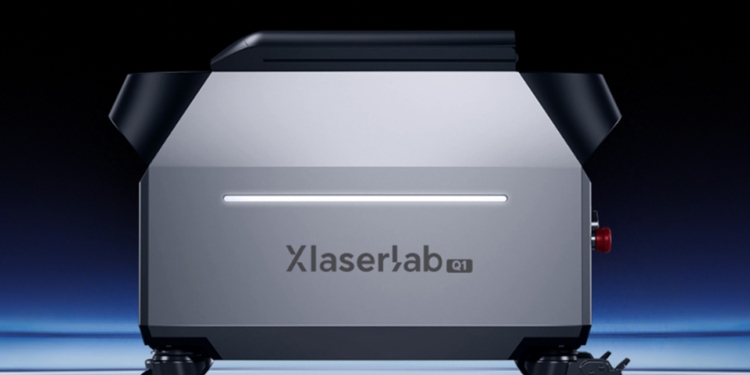
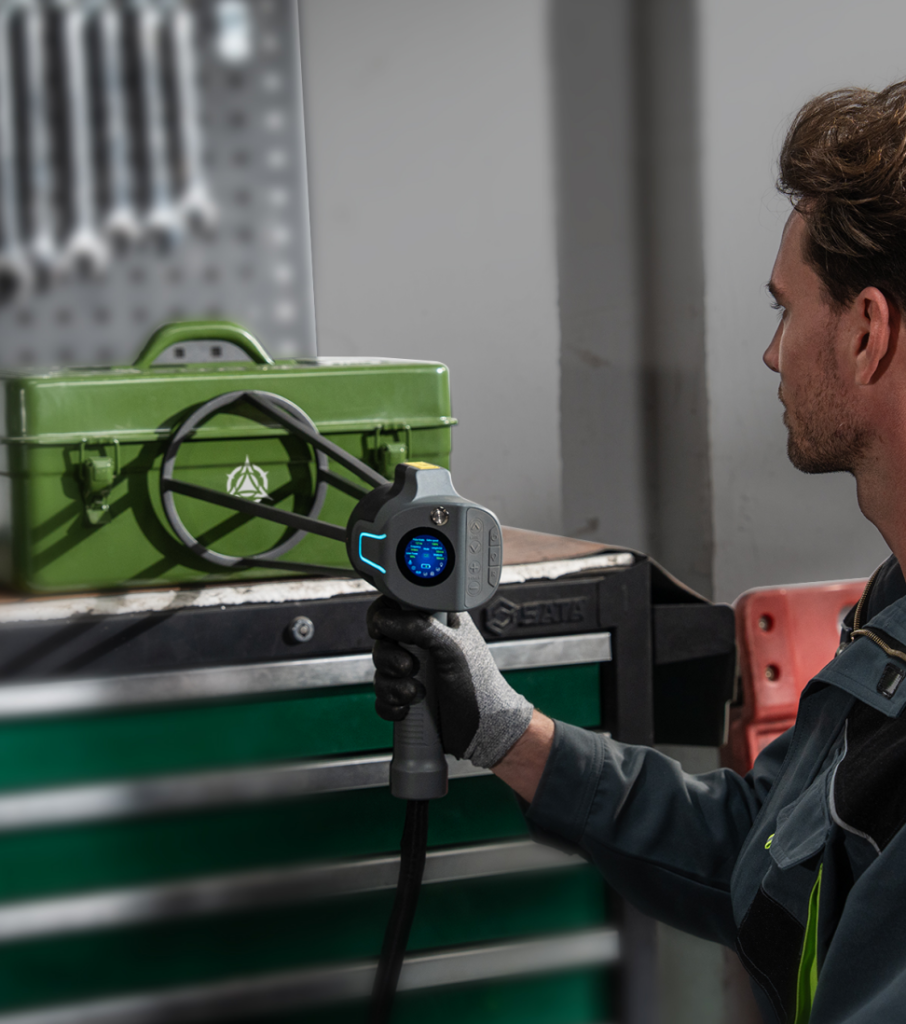
The Q1 laser cleaning machine from Xlaserlab uses pulsed laser energy to remove surface contaminants without physical contact or chemical agents. This makes it well suited for hygiene-critical stainless steel applications.
Pre-weld cleaning: stable preparation for consistent welding
Before welding, the Q1 removes oil, grease, and oxide layers from stainless steel surfaces using a 120W MOPA pulsed fiber laser with precise energy control.
For production teams and welding operators, this means starting every weld on a predictable, contamination-free surface instead of relying on manual wiping or trial-and-error preparation.
Post-weld cleaning: localized control without surface damage
After welding, the Q1 allows manufacturers to clean only the weld zone without affecting surrounding material finishes.
Quality engineers and manufacturers preparing for hygiene audits benefit from this localized control, as weld seams can be cleaned consistently while preserving surface integrity.
Key technical characteristics that support this workflow include:
- High pulse energy output optimized for effective oxide removal
- Up to 120 mm cleaning width, reducing repeated passes along weld seams
- Multiple scanning patterns (cross, spiral, linear, circular) to match different weld geometries
As a professional laser cleaning machine, the Q1 integrates naturally into welding workflows where cleanliness and consistency are essential. More manufacturers are adopting the Xlaserlab laser cleaning machine as part of their welding quality control process.
Real-World Applications in Food and Medical Manufacturing
Food processing equipment welding
Stainless steel tanks, pipelines, and structural frames used in food production require clean weld seams to prevent contamination buildup. With laser cleaning, weld seams can be treated in place, often resulting in reduced rework and easier inspections during routine maintenance.
Medical stainless steel devices and structures
Medical equipment manufacturers rely on consistent surface quality around welded joints. Laser cleaning supports controlled post-weld treatment, helping teams simplify inspection and documentation while maintaining surface stability.
Commercial kitchen equipment manufacturing
In high-volume kitchen equipment production, laser cleaning helps standardize weld seam treatment across batches. Over time, this leads to more consistent product quality and fewer surface-related quality issues.
Key Benefits for Manufacturers
- Cleaner, more uniform weld seams with stable surface quality
- Easier compliance with food and medical hygiene standards
- Reduced rework and lower long-term corrosion risk
- Improved inspection readiness and manufacturing credibility
Laser Cleaning Solutions by Xlaserlab
Rather than focusing on raw power alone, the Q1 laser cleaning machine is designed to solve a practical manufacturing challenge: keeping stainless steel welds clean, consistent, and inspection-ready without introducing chemicals or manual variability.
For manufacturers working under strict hygiene requirements, laser cleaning becomes a natural extension of the welding process—not an extra step.