






















![5 Best CFD Brokers for Beginners [UK, 2026]](https://todaynews.co.uk/wp-content/uploads/2026/03/Invest-360x180.jpg)





























British travel culture has adapted to embrace one uncomfortable reality: journeys rarely go according to plan. Between unpredictable weather, overcrowded platforms, and the near-certainty of delays, getting from A to B involves substantial waiting around. Screens have become the default companion during these interruptions, transforming how people cope with disruption. Some travellers engage with live streamed casino games on platforms like NetBet Live, where the real-time element mirrors the immediacy and unpredictability of being on the move, though this represents just one approach amongst many for filling the gaps between departure and arrival.
The Commute as Screen Time
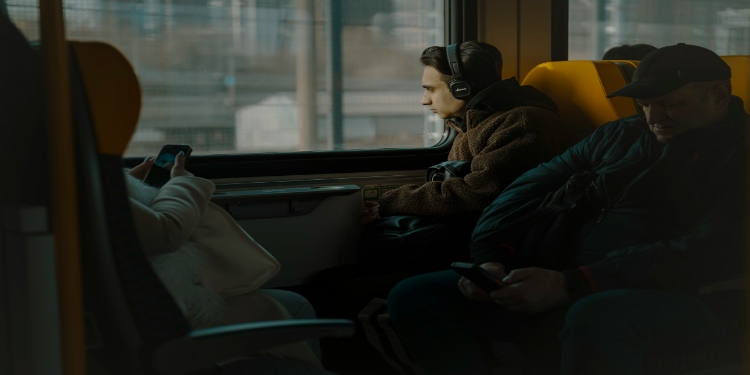
For regular commuters, trains and buses function as extended screen time sessions that happen to involve movement. The rhythm of daily travel creates predictable pockets of time that get filled with familiar digital routines. Some scroll through news, others catch up on episodes of series they’re midway through, whilst many simply browse social platforms without a particular purpose or destination in mind. There’s something almost meditative about this screen engagement during travel – it requires minimal mental energy whilst providing enough stimulation to make the journey pass faster.


What’s changed substantially is the quality of mobile internet connections. Patchy coverage used to make streaming impractical, forcing people towards offline content or simply staring out windows at passing countryside. Now, with 4G and 5G coverage across most rail routes, streaming works even underground in many city centres.
When Delays Happen
Rail delays trigger recognisable patterns of behaviour. The first few minutes involve checking departure boards, refreshing train apps, and perhaps grumbling to nearby passengers about engineering works or signal failures. Once the delay stretches beyond a reasonable wait, phones come out in earnest. Platforms fill with people standing or sitting with heads down, absorbed in screens, occasionally glancing up to check if anything’s changed on the boards.
The reality of waiting shapes content choices during delays. People gravitate towards things that don’t require sustained attention because they need to remain alert for announcements or board changes. Short-form video platforms work well here, as do mobile games that can be paused instantly without consequence.
Weather Drives Digital Retreat
British weather guarantees that outdoor waiting proves uncomfortable for large portions of the year. Rain, wind, and cold temperatures make platform waiting genuinely unpleasant, pushing people towards any available shelter. This weather-driven retreat indoors increases reliance on screens because there’s simply less to look at and less reason to engage with surroundings.
Bus shelters demonstrate this shift clearly. On dry days, people might glance at phones intermittently while keeping an eye on approaching buses. During heavy rain, everyone huddles inside the shelter, faces illuminated by phone screens, barely looking up until their bus arrives.
The Appeal of Live Content
Whilst pre-recorded entertainment dominates travel screen time, live content has found its audience. Live sports streams, real-time news coverage, and interactive gaming offer something pre-recorded content can’t: the sense that you’re participating in something happening now, not just consuming something that happened earlier. The time-sensitive nature suits travel because it gives fragmented attention a focus point that feels worth maintaining.
Audio as Alternative
Not everyone stares at screens throughout their journey. Headphones offer a different kind of digital engagement that leaves eyes free. Podcasts, audiobooks, and music streaming provide entertainment that doesn’t demand visual attention, allowing people to look out windows, read physical books, or simply close their eyes during longer journeys.
The growth of audio content during commutes has been substantial, with many people building extensive podcast subscriptions specifically for their regular journeys. Unlike watching a video, listening allows situational awareness to remain intact, which matters when navigating crowded stations or watching for your stop.

David Prior
David Prior is the editor of Today News, responsible for the overall editorial strategy. He is an NCTJ-qualified journalist with over 20 years’ experience, and is also editor of the award-winning hyperlocal news title Altrincham Today. His LinkedIn profile is here.