
![Best ReactJS Companies in Poland for Scale-Ups [2026 Review]](https://todaynews.co.uk/wp-content/uploads/2026/04/Man-Data-Coding-360x180.jpg)




















![5 Best CFD Brokers for Beginners [UK, 2026]](https://todaynews.co.uk/wp-content/uploads/2026/03/Invest-360x180.jpg)



























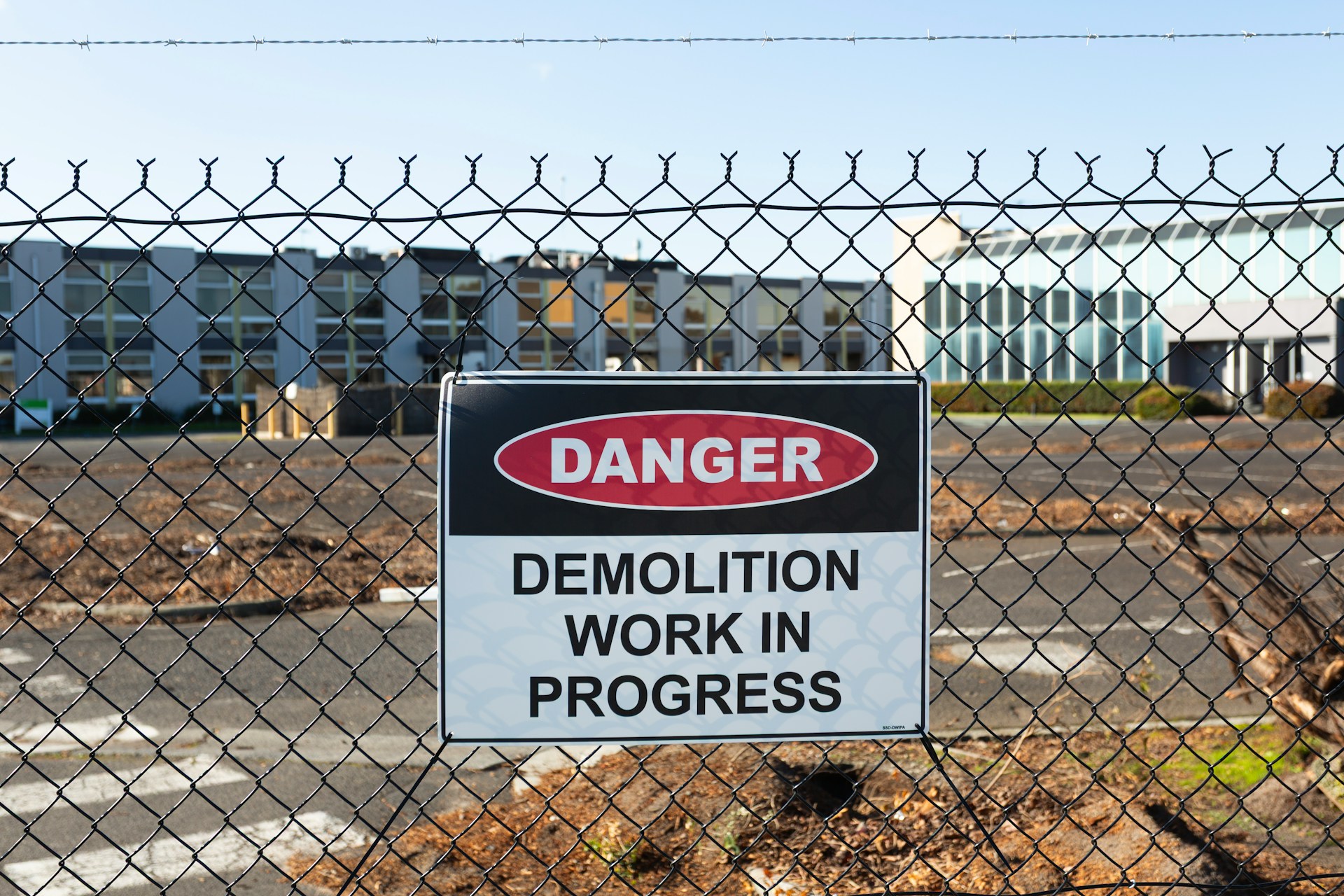
Choosing the right demolition equipment plays a larger role in project success than many people realise. The machines you bring onto site influence how safely your team works, how efficiently tasks unfold, and how confidently decisions are made under pressure. When equipment suits the job, risks reduce naturally and productivity improves without added strain. That balance helps the site feel organised rather than reactive, setting the foundation for safer and faster progress from the very beginning.
Understanding the Job Before Choosing the Machine
Every demolition project starts with a clear understanding of what stands in front of you. Structure height, materials, and layout all influence which machines will perform safely and efficiently. A poor match often leads to unnecessary risk or delays. Taking time to assess conditions early makes later decisions far easier.


Before selecting any demolition machine, it helps to review the site methodically. These factors directly affect safety, access, and workflow and should guide early planning:
- Building height and overall footprint
- Primary construction materials
- Proximity to neighbouring structures or public areas
- Site access points and available working space
- Project sequencing and timeline pressures
Looking at these elements together gives you clarity. It also reduces last minute changes that can disrupt progress and increase risk.
Matching Equipment to Demolition Methods
Different demolition methods demand different solutions. Mechanical approaches rely on controlled force and stability, often delivered by demolition excavators or crawler excavators built for demanding environments. Selective dismantling prioritises accuracy, especially when parts of the structure must remain intact. Interior strip outs often depend on compact machines that can operate safely in confined areas.
Tall or reinforced structures add another challenge. In these situations, high reach demolition equipment allows you to work from a safer distance while maintaining precise control. You can remove upper sections gradually instead of placing crews in exposed positions. This type of demolition configuration is especially useful on complex projects where safety and sequencing matter just as much as speed.
Prioritising Operator Safety and Site Control
Operator safety should always guide equipment decisions. Machine stability, visibility, and protection features all influence how confidently people work. When operators feel secure, they make better decisions and maintain consistency throughout the shift. That confidence reduces fatigue and improves overall site control.
Several features support safer daily operation, particularly when working with heavy duty demolition equipment. These considerations help protect people while maintaining productivity:
- Stable machine bases that reduce tipping risk
- Clear sightlines that support faster reactions
- Remote operation to limit exposure to hazards
- Noise reduction that improves communication
- Dust control systems that protect respiratory health
Focusing on these elements encourages safer routines. Over time, they help create calmer, more predictable job sites.
Speed Without Compromising Precision
Speed on a demolition site should come from efficiency rather than urgency. Machines that respond smoothly allow operators to work accurately without constant correction. That consistency saves time across repeated tasks. It also reduces wear and rework.
Attachments play an important role here. Purpose built demolition attachments, including tools like a demolition grab or sorting grab, help streamline material separation and handling. Combined with the right boom setup, such as three-piece booms or a straight boom, these tools support steady progress and better project efficiency without sacrificing control.
Many demolition projects take place in restricted environments where every movement needs planning. Urban sites often limit access, working angles, and storage space, which can quickly slow progress if overlooked. Compact machines and well planned layouts help you operate safely without affecting neighbouring structures. These decisions also reduce unnecessary congestion on site.
Logistics play a quiet but critical role in keeping work moving. Choices around traffic routes, material stockpiles, and site waste planning directly affect efficiency and safety, especially when space is tight. When waste handling is planned properly, you avoid blocked access points and reduce the risk of damage or fines. That level of coordination supports smoother daily operations.
Environmental expectations also shape equipment decisions. Quieter machines and low emission options suit sites near occupied buildings. Reduced vibration and cleaner operation protect both workers and neighbours. Together, these choices reflect responsible and modern site management.
Maintenance, Reliability, and Downtime Risks
Even the best equipment becomes a risk if reliability slips. Breakdowns interrupt workflow and increase safety concerns as crews adapt under pressure. Lost time affects morale and focus. That disruption can quickly spread across the site.
Reliable machines support consistency. Easy maintenance access encourages regular checks, while durable components withstand demanding conditions. When equipment performs as expected, teams can focus on safe, productive work rather than constant troubleshooting.
Training and Skill Alignment with Equipment Choice
Equipment only delivers value when operators understand it fully. Advanced machines bring clear safety and efficiency benefits, but those gains depend on people knowing how to use them correctly. Clear expectations around the machine operator role help align responsibilities with the realities of the equipment on site. That clarity reduces confusion and supports safer daily routines.
The following areas help ensure equipment and people work as a unit:
- Familiarity with machine controls and operating limits
- Understanding built in safety systems and alerts
- Confidence when handling complex or high risk tasks
- Ability to adapt techniques as site conditions change
Effective training focuses on practical, real world operation rather than theory. It ensures operators understand controls, limits, and safety systems before work begins. When skills match equipment capability, confidence grows and errors reduce. Over time, this alignment helps sites operate more smoothly and predictably.
Conclusion
Demolition equipment decisions influence how work feels on site every single day. They shape confidence, rhythm, and the ability to respond calmly to challenges. When choices reflect care and understanding, teams operate with greater assurance. That atmosphere supports steady progress without unnecessary strain.