
![Best ReactJS Companies in Poland for Scale-Ups [2026 Review]](https://todaynews.co.uk/wp-content/uploads/2026/04/Man-Data-Coding-360x180.jpg)




















![5 Best CFD Brokers for Beginners [UK, 2026]](https://todaynews.co.uk/wp-content/uploads/2026/03/Invest-360x180.jpg)




























Introduction
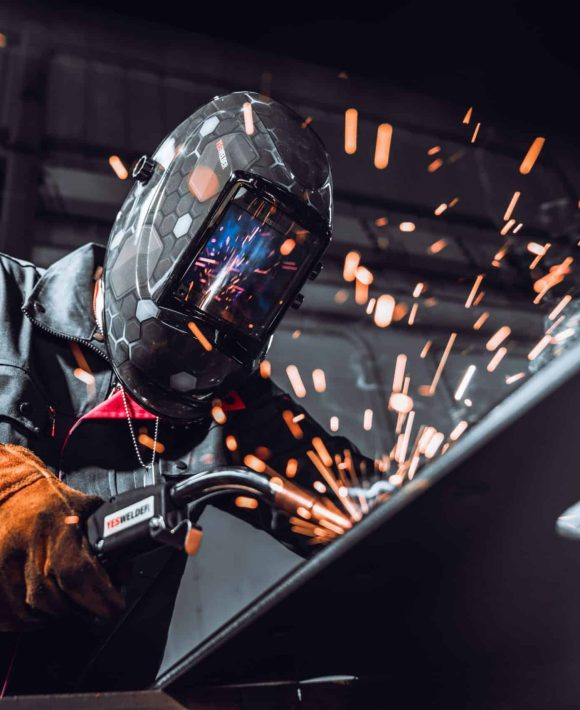
MIG welding is one of the most popular welding methods because it is simple, fast, and easy to learn. However, many beginners and even experienced welders face problems that affect weld quality. This is where mig welding troubleshooting becomes important. Using the right machine, such as YesWelder, can make a big difference, but only if it is set up and used correctly. Poor welds often come from small mistakes like wrong settings, dirty materials, or poor technique. In this guide, we will explain common MIG welding problems and how to fix them. This article is written in simple language to help you improve your welding results step by step.
Understanding Common MIG Welding Problems
Before fixing issues, it is important to understand what can go wrong during MIG welding. Common problems include spatter, weak welds, uneven beads, porosity, and burn-through. These issues usually happen due to incorrect voltage, wire speed, or shielding gas flow. Many welders blame the machine, but in reality, the problem is often setup or technique. YesWelder machines are designed to be user-friendly, but they still require proper adjustment. Learning to identify welding defects early will save time and material. Once you know the cause, mig welding troubleshooting becomes much easier and more effective.


Fixing Excessive Spatter Issues
Excessive spatter is one of the most frustrating MIG welding problems. It makes the weld look messy and requires extra cleanup. This issue often happens when voltage or wire speed is too high. Check your YesWelder settings and adjust them slowly until the arc becomes smooth and stable. Also, make sure you are using the correct wire size for your project. Dirty or rusty metal can also cause spatter, so always clean the surface before welding. Proper mig welding troubleshooting involves testing small welds and making adjustments until spatter is reduced and weld quality improves.
Solving Weak or Poor Penetration Welds
Weak welds with poor penetration can cause serious structural problems. This usually happens when the heat is too low or the travel speed is too fast. To fix this, increase voltage slightly on your YesWelder machine and slow down your welding speed. Make sure the joint is prepared correctly, with clean edges and proper fit-up. Using the right shielding gas also helps improve penetration. Mig welding troubleshooting for weak welds requires patience and practice. Always test your weld strength before starting the main project to ensure strong and reliable results.
Correcting Porosity in MIG Welds
Porosity appears as small holes in the weld bead and weakens the joint. This problem is usually caused by poor shielding gas coverage. Check your gas flow rate and make sure there are no leaks in the hose. Wind or drafts can also blow gas away, so weld in a protected area. Using a quality machine like YesWelder helps maintain steady gas flow, but setup still matters. Moisture, oil, or paint on the metal can also cause porosity. Proper cleaning and careful mig welding troubleshooting will help you create smooth, strong, and clean welds.
Preventing Burn-Through on Thin Metal
Burn-through happens when too much heat melts completely through thin metal. This is common when welding sheet metal or light materials. To prevent this, lower the voltage and wire speed on your YesWelder welder. Use short welds or a stitch welding technique instead of one long bead. Keeping a steady hand and moving quickly also helps reduce heat buildup. Mig welding troubleshooting for burn-through focuses on heat control and practice. With the right settings and technique, you can weld thin metal without damaging the material.
Improving Weld Bead Appearance
A good-looking weld bead is often a sign of proper welding technique. Uneven or wavy beads usually mean inconsistent travel speed or poor torch angle. Hold the MIG gun at a steady angle, usually around 10 to 15 degrees. Practice moving at a consistent speed while maintaining a stable arc. YesWelder machines provide smooth arc performance, which makes bead control easier. Regular mig welding troubleshooting and practice will help you produce clean, even beads that look professional and strong.
Conclusion
Improving your MIG welding results does not require expensive tools or years of experience. By understanding common problems and applying proper mig welding troubleshooting techniques, you can greatly improve weld quality. Machines like YesWelder are built to support both beginners and professionals, but correct setup and practice are key. Always start with clean materials, adjust your settings carefully, and test your welds before starting big projects. With patience and the right approach, you can create strong, clean, and reliable welds every time. This troubleshooting guide is a simple step toward better welding success.