




















![5 Best CFD Brokers for Beginners [UK, 2026]](https://todaynews.co.uk/wp-content/uploads/2026/03/Invest-360x180.jpg)




























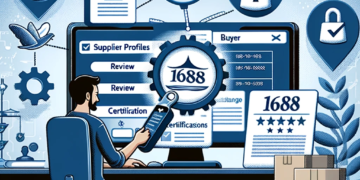

In the relentless pursuit of business growth, leaders often scrutinise spreadsheets, overhaul marketing strategies, and invest in the latest digital transformation tools. Yet, one of the most significant factors influencing the bottom line is often sitting right under their noses—or rather, all around them. The physical state of the workplace is frequently dismissed as a mere operational necessity or an aesthetic preference. However, savvy executives are beginning to recognise that the cleanliness of an office is a strategic asset that directly impacts health, morale, and productivity.
A workspace is more than just a container for employees; it is an ecosystem that facilitates work. When that ecosystem is compromised by grime, clutter, or poor hygiene, the friction it creates can slow down the entire machine. Conversely, a spotless environment acts as a catalyst for efficiency. It signals to staff that they are valued, to clients that the company is professional, and to the market that the organisation pays attention to the details.


Understanding the tangible business impact of a clean workplace requires looking beyond the superficial sparkle. It involves examining the link between hygiene and absenteeism, the psychology of clutter, and the operational efficiency gained through professional maintenance. For modern businesses, maintaining high standards of cleanliness is no longer optional; it is a fundamental pillar of operational success.
The High Cost of Poor Hygiene and Absenteeism
The most immediate financial impact of an unclean workplace is found in the health of the workforce. Offices are notoriously efficient breeding grounds for bacteria and viruses. With shared kitchens, door handles, and communal equipment, a single illness can sweep through a team with alarming speed. Research consistently suggests that the average office desk can harbour hundreds of times more bacteria than a toilet seat, a statistic that should give any office manager pause.
When hygiene standards slip, sickness rates rise. The cost of absenteeism to UK businesses is staggering, running into billions of pounds annually in lost productivity and temporary staffing costs.
Investing in high-quality office cleaning services is a proactive measure against these losses. Professional cleaners do more than just empty bins; they sanitise high-touch
points, ensure air quality is maintained by removing dust and allergens, and use
hospital-grade disinfectants to break the chain of infection. By reducing the viral load in the office, businesses can protect their workforce, ensuring that key team members are present and healthy when they are needed most.
Psychological Safety and Employee Morale
Beyond physical health, the cleanliness of a workplace plays a pivotal role in mental well-being and morale. We spend a significant portion of our waking lives at work, and
the environment we inhabit deeply influences our mood and cognitive function. A dingy, dusty, or cluttered office can subconsciously signal neglect, leading employees to feel undervalued. If the leadership does not care enough to maintain the building, why should the staff care about their output?
Conversely, walking into a fresh, well-maintained space provides a psychological lift. It fosters a sense of pride and belonging. It creates an atmosphere of professionalism that encourages employees to dress sharper, communicate better, and take their roles more seriously. There is a strong correlation between environmental satisfaction and job satisfaction. In a competitive talent market, where retention is a key challenge, a pristine office can be a differentiator that keeps top talent happy and engaged.
Furthermore, a clean environment reduces cognitive load. Clutter and mess are visual distractors that compete for our attention, increasing stress and anxiety levels. By maintaining an orderly environment, businesses allow their employees to focus their mental energy on creative problem-solving and strategic thinking rather than filtering out environmental chaos.
Productivity and Operational Efficiency
Documents get lost, equipment breaks down due to dust accumulation, and time is wasted navigating obstacles. A streamlined, clean environment facilitates streamlined workflows. When a workspace is maintained by professional commercial cleaning teams, it ensures that the infrastructure of the business supports the work being done rather than hindering it.
Moreover, distractions are the enemy of deep work. The sight of overflowing recycling bins or a dirty communal kitchen can break an employee’s concentration and become a source of inter-office conflict. Removing these irritants through scheduled cleaning ensures that the team’s focus remains undivided. It removes the low-level friction that gradually erodes productivity over the course of a week, a month, or a year.
First Impressions and Brand Reputation
For any business that welcomes clients, partners, or investors onto its premises, cleanliness is a critical component of brand reputation. First impressions are formed within seconds of entering a building. A stained carpet, a dusty reception desk, or a less-than-pristine washroom can immediately undermine a company’s credibility.
It suggests a lack of attention to detail and a lack of control. If a company cannot manage its own cleaning schedule, how can it be trusted to manage a client’s assets or a complex project? On the other hand, a sparkling clean environment projects competence, efficiency, and success. It silently communicates that this is an organisation that executes to a high standard in all areas.
This extends to the exterior of the premises as well. From clean windows to tidy entranceways, the physical presentation of the business acts as a billboard for its values. High-quality commercial cleaning ensures that this presentation is consistent, protecting the brand equity that the company has worked so hard to build.
Preserving Business Assets
There is also a purely economic argument for rigorous cleaning regarding asset management. Office furniture, flooring, and IT equipment represent a significant capital investment. Neglect is the fastest way to depreciate these assets.
Dirt and grit ground into carpets act like sandpaper, wearing down fibres and shortening the lifespan of the flooring. Dust accumulation in computers and servers can cause overheating and hardware failure. Regular, professional maintenance extends the lifecycle of these assets, delaying the need for expensive replacements.
Specialised office cleaning services often include deep cleaning protocols for upholstery and carpets that go far beyond a daily vacuum. This preventative maintenance is far more cost-effective than premature refurbishment. It is a simple equation: caring for what you own means you have to buy it less often.
The Strategic Choice: Outsourcing vs. In-House
Finally, achieving this level of cleanliness requires a strategic decision regarding resource allocation. While some smaller businesses may attempt to manage cleaning in-house, relying on staff rotas or ad-hoc efforts, this is rarely sustainable or effective. It diverts valuable employee time away from core business activities and rarely achieves the hygiene standards required for a healthy workplace.
Partnering with a dedicated service provider ensures consistency and accountability. It grants access to industrial-grade equipment and eco-friendly cleaning agents that are
not typically found in the cleaning cupboard under the sink. It transforms cleaning from a reactive chore into a managed service with clear KPIs and standards.
Conclusion
The impact of a clean workplace extends far beyond the surface level. It is a fundamental driver of employee health, a booster of morale, a protector of brand reputation, and a guardian of productivity. In the modern business landscape, where marginal gains can make the difference between success and stagnation, the condition of the working environment is a lever that leaders can, and should, pull.
Investing in professional hygiene standards is not an expense to be minimised but a strategy to be optimised. By prioritising a clean workplace, businesses build a resilient foundation for growth, ensuring their teams are healthy, happy, and ready to perform at their best.