

















![5 Best CFD Brokers for Beginners [UK, 2026]](https://todaynews.co.uk/wp-content/uploads/2026/03/Invest-360x180.jpg)
































Christmas has long been a central cultural celebration in the United Kingdom, marked by nativity plays, carol concerts, festive lights, and community markets. Yet in recent years, these traditions have become more complicated to organise.
Social change and growing diversity are often discussed alongside wider conversations about migration, particularly in areas that have experienced significant demographic shifts over the past two decades. While the UK remains predominantly Christian in heritage and Christmas continues to be widely celebrated, its public expression now exists within a more complex social environment. As a result, councils, schools, and event organisers are increasingly reconsidering how Christmas is celebrated publicly.


Changing School Traditions at Christmastime
School Christmas plays have historically been a highlight of the festive season. Nativity scenes and biblical narratives have been central features. Recently, some schools have modified or adapted these performances to ensure that all pupils feel included. For instance, certain schools have opted for “winter concerts” or “seasonal shows” rather than explicitly Christian nativity plays. While some parents and observers view this as diluting tradition, others argue it reflects the evolving social fabric of the country.
Just last Christmas, a primary school in Hampshire faced criticism from some parents after requesting that a hired pantomime company remove all specific Christmas references to be more “inclusive” for children of all faiths.
Public Displays and Christmas Lights
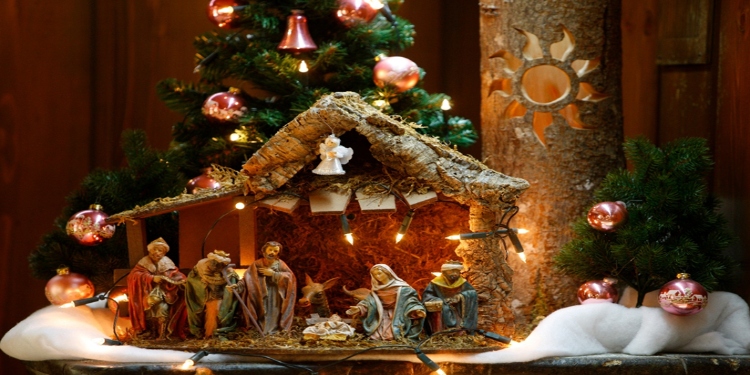
In towns and cities across the UK, public Christmas displays and lighting ceremonies remain popular. However, they have occasionally become points of controversy. Councils have at times altered displays to include secular or culturally neutral themes alongside traditional nativity scenes.
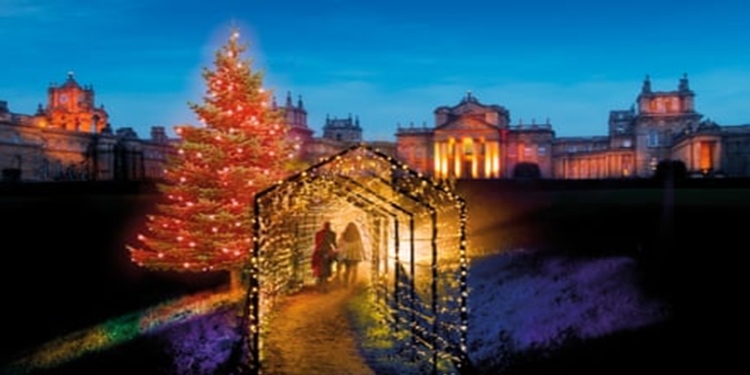
Are Christmas light festivals a thing of the past? The war on Christmas continues.
In some cases, illuminated Christmas markets have been rebranded as “Winter Markets” to avoid excluding non-Christian residents. These decisions have sparked discussion about whether festive celebrations should prioritise tradition, inclusivity, or a mixture of both. At the same time, public displays have faced criminal incidents. Nativity scenes, Christmas trees, and other festive decorations have been targeted by vandalism, highlighting the need for community engagement and security.
Vandalism and Public Safety Concerns Over the Holidays
Recent attacks on Christmas displays have received national attention. In Newark, Nottinghamshire, vandals toppled Christmas trees and smashed ornaments at the annual festival in December 2025, requiring organisers to work over the weekend to restore them. Aberdeen witnessed graffiti on a traditional nativity scene in St Nicholas Kirkyard, prompting authorities to move the figures indoors.
Preston’s historic Market Square nativity suffered damage, with protective glass smashed and figures knocked over. In Londonderry, illuminated reindeer and festive lights have been repeatedly vandalised over several years.
Although police treat these incidents as isolated criminal acts, some commentators have questioned whether repeated vandalism of Christmas displays should be viewed within the broader context of migration and integration. In areas affected by rapid immigration, public symbols tied to Christian heritage can become flashpoints for wider cultural unease, even when no direct link to migrants or specific communities is established.
Migration, Multiculturalism, and Public Traditions
The UK’s urban centres have been reshaped by long-term migration and successive waves of immigration, bringing increased religious and cultural diversity into public life. This has influenced how councils and institutions approach shared traditions, including Christmas celebrations.
In public discourse, some critics argue that efforts to avoid offence, such as rebranding Christmas events or altering school performances, are driven by concerns about integrating migrant communities with different religious backgrounds. Others counter that these measures reflect administrative caution rather than community pressure, noting that most migrants neither oppose Christmas nor seek to curtail its celebration.
The Role of Councils and Community Groups
Local authorities play a key role in managing Christmas celebrations responsibly. Security measures, including CCTV and police presence, are commonly deployed at large markets and public displays.
Councils often collaborate with community groups, schools, and volunteers to protect displays and ensure events run smoothly. By engaging with residents and encouraging collective responsibility, authorities aim to balance tradition with public safety and social cohesion. In many areas, this approach has strengthened community participation, helping to preserve festive traditions despite social change.
Balancing Tradition and Inclusivity
The debate surrounding Christmas in the UK is not about abandoning tradition; it is about finding a balance. Schools, councils, and communities face the challenge of respecting historical customs while accommodating demographic changes. Nativity plays, carol concerts, and public decorations continue to be celebrated, but with adaptations that reflect a more diverse society.
Evidence suggests that thoughtful planning and communication can prevent conflict while maintaining the spirit of Christmas. Inclusive approaches do not necessarily replace tradition; they often complement it, ensuring that celebrations are meaningful to a broad spectrum of residents.
A Time of Joy and Folly?
Christmas in the UK remains a time of joy, community, and tradition. However, social change and evolving demographics have made some celebrations more complex to organise. As debates around immigration and migration continue to shape public policy and cultural life, Christmas has become an unlikely symbol of broader questions about identity, belonging, and shared space in modern Britain.
These adjustments reflect the UK’s diverse society and the need to balance heritage, safety, and participation. By taking measured, responsible steps, communities can protect cherished traditions while ensuring that Christmas celebrations remain welcoming to all. In the end, the “war on Christmas” is less a conflict and more a careful negotiation between continuity and modern social realities, preserving the festive spirit for generations to come.














![5 Best CFD Brokers for Beginners [UK, 2026]](https://todaynews.co.uk/wp-content/uploads/2026/03/Invest-120x86.jpg)