

















![5 Best CFD Brokers for Beginners [UK, 2026]](https://todaynews.co.uk/wp-content/uploads/2026/03/Invest-360x180.jpg)

























In today’s competitive marketplace, every detail of your product label presentation matters. From the packaging to the colour palette, customers form opinions about your brand long before they experience the product itself. One of the most effective yet often overlooked tools for building brand recognition is the use of personalised labels. More than just a functional item for identification, labels are a subtle but powerful way to communicate your brand’s personality, values, and quality.
Whether you sell handmade candles, bottled beverages, or skincare products, custom labels can make your brand stand out, strengthen customer trust, and even increase sales. This blog explores how personalised labels boost your brand and why investing in professional label design and printing is worth it.

What Are Personalised Labels?
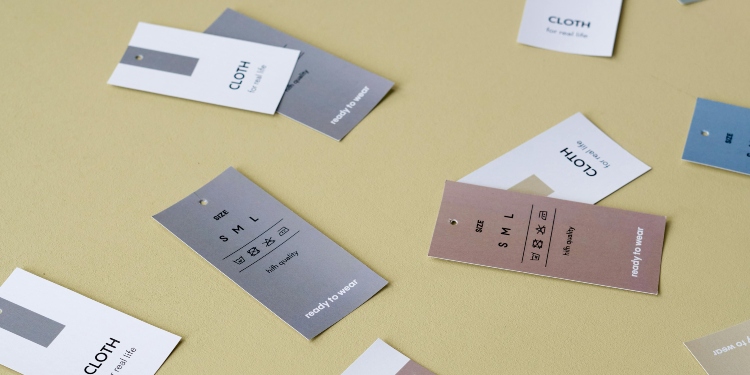
Personalised labels are custom-designed labels that include your brand’s logo, colours, typography, and other design elements unique to your business. They can be printed on different materials, including paper, vinyl, or polyester, and are available in a variety of finishes such as matte, gloss, or transparent.
Unlike generic labels, LabelMetrics personalised labels are made to match your product’s aesthetic and reinforce your brand identity. They are commonly used across industries, including food and drink, cosmetics, clothing, and e-commerce.
First Impressions Count
When customers pick up your product, the label is one of the first things they notice. It provides an immediate impression of what your brand represents. A clean, high-quality label design suggests professionalism and reliability, while a poorly printed one can harm credibility, even if the product itself is excellent.
Personalised labels help you control that first impression. They communicate care, attention to detail, and consistency — all qualities that help build trust. Research has shown that consumers are more likely to buy from brands that have strong, cohesive packaging. The right label can turn casual interest into a purchase. For example, companies like Adobe discuss how visual branding affects customer perception, underlining the importance of consistency in design.
Strengthening Brand Identity
Every business has a story to tell, and your labels can help you share it. Using consistent colours, fonts, and imagery across your labels helps customers immediately recognise your products on the shelf or online. Over time, these design elements become closely associated with your brand.
A well-designed personalised label acts like a miniature billboard, displaying your logo, brand name, and tagline in a way that feels intentional and memorable. This is particularly important for small businesses competing with larger brands. Custom labelling gives your products a professional finish and makes them appear more established and trustworthy.
Creating Emotional Connections
Personalised labels can also help create emotional connections with your audience. The design choices you make — such as colours, shapes, and messages — can evoke certain feelings and values. For example, soft, pastel colours might give a sense of calm and relaxation, making them ideal for wellness or skincare brands, while bold designs with sharp contrasts can create a feeling of energy and excitement, suitable for sports or tech products.
Adding personal touches, such as thank-you notes, limited edition labels, or seasonal designs, can also make your customers feel valued. This not only strengthens loyalty but also encourages repeat purchases.
Differentiation in a Crowded Market
With so many brands competing for attention, standing out is essential. Personalised labels help differentiate your products by giving them a distinctive look that reflects your unique selling points. Custom shapes, textures, and finishes can help you achieve a premium or artisanal feel, depending on your target market.
For e-commerce sellers, personalised labels can also improve unboxing experiences. When a customer receives a package that looks thoughtful and well-branded, it creates a lasting impression and increases the likelihood of positive reviews or social media shares.
Enhancing Product Information and Compliance
While design is important, functionality is equally essential. Personalised labels allow you to include key product details such as ingredients, usage instructions, expiry dates, and barcodes while keeping everything visually balanced.
For industries with strict labelling regulations, such as food and cosmetics, custom labels can help you meet compliance requirements while maintaining your brand style. By investing in professional label printing, you can ensure your labels are durable, legible, and resistant to wear.
The Cost-Effective Marketing Tool
Many small businesses overlook the value of labels as a marketing investment. In reality, personalised labels are one of the most affordable branding tools available. Once designed, they can be mass-printed at a low cost, allowing you to maintain brand consistency across every product.
Labels also serve as long-term marketing assets. Every time a customer uses or displays your product, your label acts as a visual reminder of your brand. Over time, this repetition builds brand familiarity — one of the strongest influences in buying decisions.
Improved Customer Trust and Perceived Value
A product that looks professional often feels more trustworthy. Personalised labels add polish to your packaging, which can increase the perceived value of your product. Customers are often willing to pay more for products that appear high-quality and well-presented.
Clear, professional labels also make it easier for customers to identify key information, such as allergens, materials, or sustainability credentials. This transparency builds credibility and helps establish your brand as trustworthy and customer-focused.
Eco-Friendly and Sustainable Labelling Options
Sustainability has become an important factor in purchasing decisions. Many consumers prefer to buy from brands that use environmentally friendly materials and packaging. By using recycled or biodegradable label materials, your brand can demonstrate its commitment to sustainability while appealing to eco-conscious customers.
Printing methods such as direct thermal or eco-solvent printing also reduce waste and environmental impact. Choosing sustainable labelling solutions doesn’t just help the planet — it enhances your brand reputation and aligns with modern consumer expectations.
Tips for Designing Effective Personalised Labels
When creating your own labels, keep these principles in mind:
- Prioritise clarity: Ensure that your logo and key information are easy to read.
- Stay consistent: Use the same fonts, colours, and style across all your products.
- Choose quality materials: Durable materials prevent peeling or fading.
- Reflect your brand personality: The design should communicate what makes your business unique.
- Test before printing: Always print samples to check colours and alignment before mass production.
A professional label printing company can help you choose the right materials, finishes, and adhesives for your product type and environment.
Conclusion
Personalised labels are far more than decorative features — they’re essential branding tools that can elevate your products, attract customers, and strengthen trust in your business. By combining appealing design with practical functionality, you can create labels that not only look great but also communicate your brand’s identity and values.
Whether you run a small e-commerce shop or an established retail brand, investing in high-quality personalised labels will help you stand out in a crowded market. They serve as constant reminders of your brand and make every product you sell a reflection of your professionalism, creativity, and care.
With the right design and materials, personalised labels can transform ordinary packaging into a powerful marketing tool, one that builds recognition, encourages loyalty, and keeps customers coming back.

David Prior
David Prior is the editor of Today News, responsible for the overall editorial strategy. He is an NCTJ-qualified journalist with over 20 years’ experience, and is also editor of the award-winning hyperlocal news title Altrincham Today. His LinkedIn profile is here.