









































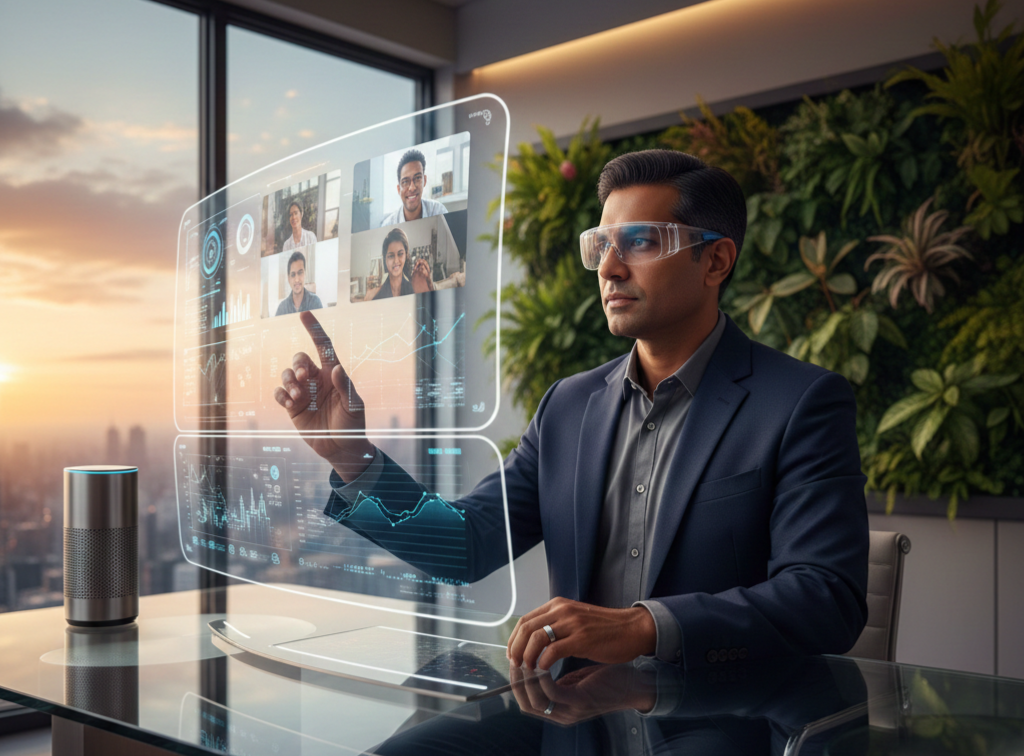
The professional landscape has undergone a radical transformation over the last few years. While the initial shift toward remote working was born out of necessity, the permanence of the hybrid model in 2026 has elevated the importance of digital fluency. We no longer inhabit a world where “technical difficulties” are viewed as a charming quirk of the home office. Today, the quality of your audio and video is considered a direct reflection of your professionalism and attention to detail.
Whether you are a freelancer pitching to a global client, a teacher leading a virtual classroom, or an executive delivering a keynote at a digital summit, the clarity of your communication is your most valuable asset. The barrier between you and your audience is a thin layer of glass and silicon, and any friction in that connection can lead to a significant loss of impact. To succeed in this environment, one must move beyond basic connectivity and strive for a standard of broadcasting excellence.


Setting the Standard: Why a Comprehensive Camera and Mic Test is Essential
Reliability in a virtual setting is not a matter of luck; it is the result of meticulous preparation. Before any high-stakes digital interaction, it is vital to ensure that your hardware is communicating perfectly with your software environment. Many professionals find that a quick diagnostic can uncover hidden issues such as driver conflicts, background noise interference, or poor lighting balance. By performing a dedicated camera and mic test, you can identify these potential points of failure in a controlled setting rather than during the first five minutes of an important call.
Proper testing does more than just confirm that your devices are turned on. It provides a visual and auditory preview that allows you to assess the framing of your shot and the gain levels of your audio. This proactive approach ensures that you are seen and heard exactly as you intended, allowing you to focus entirely on your message rather than worrying about whether your audience can hear the hum of your laptop fan or see you through a grain of digital noise.
The Science of Sound: Optimising Your Audio Profile
While high definition video is certainly impressive, audio remains the most critical component of information retention. Studies consistently show that an audience will tolerate poor video quality far longer than they will tolerate distorted or muffled audio. In a professional context, if your voice is not clear, your authority is diminished.
Most integrated laptop microphones are omnidirectional, meaning they are designed to pick up sound from all directions. While this is useful for a family chat, it is detrimental in a professional setting where you want to isolate your voice from ambient domestic sounds. To elevate your audio, consider the following technical adjustments:
- Directional Isolation: Using a cardioid or hyper-cardioid microphone focuses the pickup pattern on your voice while rejecting noise from the sides and rear.
- Acoustic Treatment: Soft furnishings, rugs, and even dedicated acoustic panels can reduce the reverb in a room, making your voice sound fuller and more intimate.
- Pop Filtration: Small technical additions like a pop shield can prevent the harsh “plosive” sounds associated with certain consonants, ensuring a smooth listening experience for your audience.
Composition: Beyond the Webcam
Video quality is often less about the price of the camera and more about the quality of the light hitting the subject. Even a high-end 4K webcam will struggle in a poorly lit room, producing “noise” as the sensor tries to compensate for the darkness. Mastering your visual presence requires an understanding of basic photographic principles adapted for the desktop.
Your lighting should be soft, diffused, and positioned slightly above eye level. Natural light from a window is excellent, but it is also unpredictable. For a consistent professional look, dedicated LED panels or ring lights are essential. Furthermore, the angle of the camera is a subtle yet powerful psychological tool. Positioning the lens at eye level creates a sense of parity and connection, whereas a low-angle looking up can feel unintentionally imposing.
The Invisible Variables: Software and Connectivity
Technical excellence is often a battle against background processes. Even if your hardware is perfect, your computer’s operating system or your local network can introduce latency and jitter. Before joining a virtual stage, it is prudent to close any unnecessary applications that might be consuming CPU resources or bandwidth. High definition video processing is demanding, and any background task, such as a cloud backup or a system update, can cause your video to stutter.
Connectivity remains the lifeline of the digital professional. While Wi-Fi has become incredibly fast, it is still susceptible to interference from other household devices and physical barriers. Whenever possible, a wired Ethernet connection should be the standard for high-stakes events. This eliminates the unpredictability of signal drops and ensures a consistent flow of data, protecting your reputation from the dreaded “frozen screen” moment.
Future-Proofing: The 2026 Outlook on Virtual Engagement
As we look toward the late 2020s, the integration of Artificial Intelligence into our communication tools is becoming standard. We are already seeing AI-driven noise cancellation that can distinguish between a human voice and a doorbell with incredible precision. Similarly, automated framing and virtual lighting correction are helping professionals maintain a high-quality image even in less-than-ideal environments.
However, technology remains a tool, not a replacement for human preparation. The most advanced AI cannot compensate for a lack of eye contact or a disorganised presentation. By treating your virtual setup with the same respect you would a physical stage, you demonstrate a level of professional maturity that resonates with clients and colleagues alike.
Conclusion: Consistency as a Professional Standard
In the economy of 2026, your digital presence is your calling card. Moving beyond the “technical difficulties” phase of remote work is about more than just buying the right gear; it is about establishing a routine of maintenance and testing. By prioritising the quality of your audio and video, you are investing in your ability to lead, influence, and connect.
The transition to a digital-first professional world has provided us with unprecedented flexibility, but it also demands a higher level of personal technical accountability. By ensuring your equipment is in peak condition before every call, you ensure that your voice is the only thing your audience has to focus on.