



















































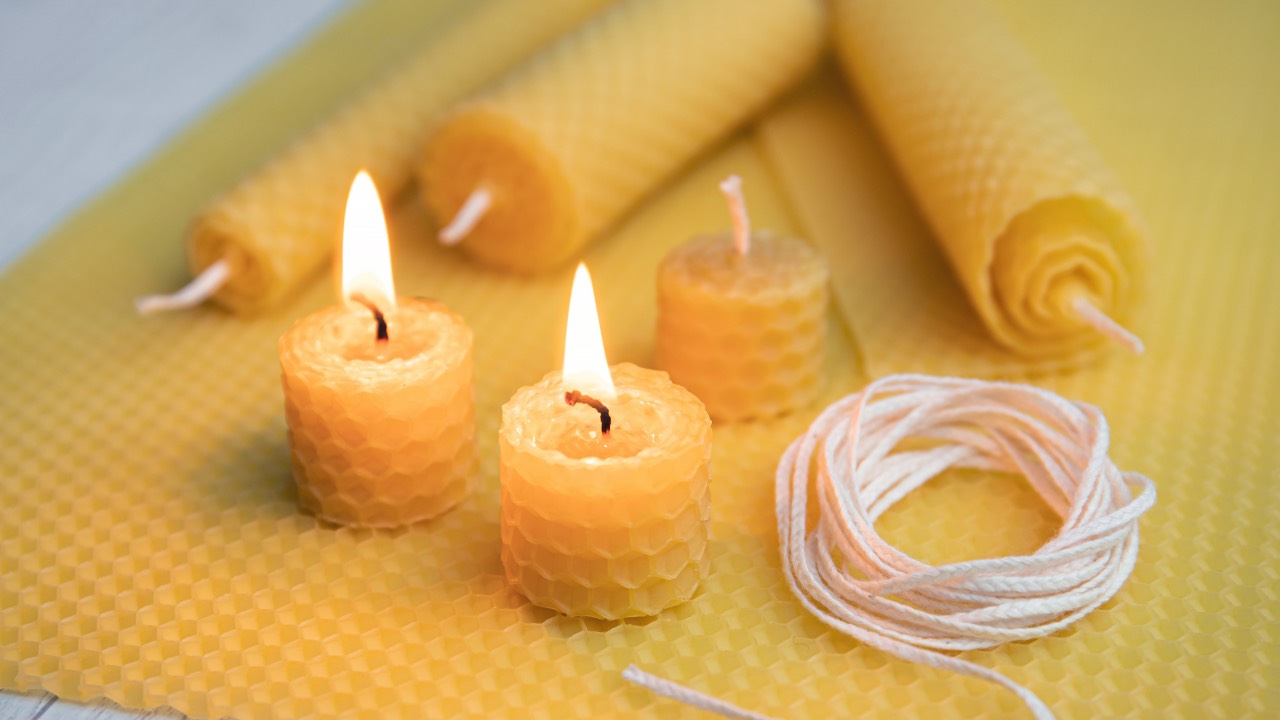
Blessed candles for Candlemas celebrations have been warming Catholic hearts and homes for centuries, and honestly, they deserve more attention than they get. On the second of February, the world briefly flickers with the gentle light of Candlemas — a lesser-known but richly symbolic feast that marks the Presentation of Jesus at the Temple. While it doesn’t come with fireworks or chocolate eggs, Candlemas carries an old-world gravity, weaving together threads of purification, prophecy, and flame.
I’ve always found it rather moving that in an age of LED bulbs and smartphone torches, there’s still something irreplaceable about a proper candle. There’s a vulnerability to it, a tenderness. The flame demands attention without shouting for it. And that, in many ways, is what Candlemas is about — the quiet persistence of sacred light in a world that often mistakes brightness for meaning.


The Biblical and Historical Roots of Candlemas
Long before wax met wick in church naves, Candlemas found its footing in Scripture. St. Luke’s Gospel tells of Mary and Joseph bringing the infant Jesus to the temple, fulfilling both the Law of Moses and Simeon’s prophecy — “a light to reveal you to the nations.” It’s a scene that often gets overshadowed by Christmas pageantry or Easter drama, yet it holds its own theological weight.
The historical development of this feast is equally fascinating. By the 4th century, early Christians were already commemorating the event, though not yet with candles. That particular flourish came later, around the 11th century, when the Church began formally blessing candles on this day. The ritual spread across Europe like — well, like wildfire, though perhaps that’s not the most tactful metaphor when discussing blessed flames.
What I find particularly compelling is how Candlemas bridges two liturgical seasons. It’s technically the last feast of the Christmas cycle whilst simultaneously gesturing towards Lent. The candles themselves become a sort of spiritual hinge, connecting the celebration of Christ’s birth to the anticipation of His passion. It’s theologically elegant, really.
The Meaning of Light in Sacred Tradition
Many parishes and families prepare for the February feast by choosing blessed candles for Candlemas celebrations, keeping alive a tradition that connects light, renewal, and devotion. Candlelight represents more than ambiance — it signifies Christ as the Light of the World, pushing back darkness both literal and spiritual.
The sacramental nature of these blessed candles shouldn’t be underestimated. When a priest blesses candles on Candlemas, he’s not performing some dusty medieval ceremony for theatrical effect. He’s invoking divine protection and grace upon these objects that will then be taken into homes, lit during storms, placed at bedsides during illness, or burned during family prayers. The blessing transforms them into sacramentals — not sacraments themselves, but sacred objects that point towards sacramental grace.
Lighting a candle on Candlemas is a quiet but potent act of faith, a luminous gesture that binds past to present. I remember once attending a Candlemas Mass where the church lights were completely extinguished before the blessing. We stood in total darkness — slightly unnerving in a building full of centuries-old stone — and then, one by one, candles were lit from the sanctuary outward. By the time the light reached the back pews, the entire church glowed. It wasn’t Instagram-worthy in any obvious way, but it was profoundly beautiful. You could feel the symbolism working on people, that ancient metaphor of light conquering darkness suddenly made visceral and immediate.
Modern Candlemas Observances Around the World
Though it may not be a household name in secular calendars, Candlemas is observed with charming variance across cultures. The French have turned it into something of a culinary event — on La Chandeleur, crepes fly from pans in a ritual believed to ensure prosperity for the coming year. The tradition holds that if you can flip a crepe whilst holding a gold coin in your other hand, you’ll have financial luck. I’ve attempted this exactly once and can report that neither my crepe-flipping nor my finances improved, though the attempt was entertaining.
In Poland, the feast is called Święto Matki Bożej Gromnicznej — the Feast of Our Lady of Thunder Candles — and blessed candles are lit specifically to ward off storms and evil spirits. Polish families keep these gromnice candles for emergencies throughout the year, a practice that beautifully merges folk tradition with Catholic sacramental theology. It’s faith made practical, spirituality you can hold in your hand.
Mexican Catholics celebrate Día de la Candelaria with particular enthusiasm, combining the blessing of candles with the presentation of the Christ Child figure from their nativity scenes. It’s also traditionally the day when whoever found the figurine in their Rosca de Reyes (Three Kings Cake) on Epiphany must host a party and serve tamales. Whether solemn or sweet, the core symbolism remains constant across these cultural expressions — light dispelling fear, hope outlasting winter, faith persisting through darkness.
Bringing Candlemas into Everyday Catholic Life
One doesn’t need to wait for February to let a Candlemas flame brighten the day. Many faithful keep blessed candles in their homes year-round, lighting them during storms, illness, or prayer. It’s a practice that grounds spiritual life in tangible ritual — a quiet nod to an ancient feast that still glows with meaning.
I’ve spoken with families who light their blessed candles during particularly difficult conversations, others who place them near a sick child’s bed, and still others who simply light them during evening prayers as a way of marking time as sacred. There’s something deeply human about wanting physical objects to anchor our spiritual lives. We’re not purely intellectual beings floating about in clouds of theology. We’re embodied creatures who need to see, touch, and smell our faith sometimes.
The practical applications extend beyond personal devotion as well. Some parishes distribute blessed Candlemas candles to parishioners, who then keep them for emergencies or significant family moments — baptisms, deaths, severe weather. There’s an internal logic to this that connects sacramental theology with pastoral care. These aren’t lucky charms or magical objects, but they are blessed items that remind us of God’s presence and protection when we most need that reminder.
For those looking to incorporate this tradition more fully, the approach needn’t be complicated. Attend a Candlemas Mass if your parish offers one, have your candles blessed, and then simply keep them somewhere meaningful in your home. Light them when it feels right — during storms, yes, but also during moments of gratitude, times of decision, or simply when you want to pray with a bit more intentionality. The flame becomes a focal point, a small beacon that says: here, now, I’m paying attention to the sacred.
When Ancient Flames Meet Modern Faith
In a culture that often equates light with spectacle — think stadium concerts, Times Square billboards, the relentless glow of screens — Candlemas offers a gentler, more sacred flame. There’s counter-cultural resistance in choosing the flicker of blessed wax over the harsh efficiency of electric lighting. It’s not anti-technology so much as pro-contemplation, a small rebellion against the assumption that brighter always means better.
Through blessed candles for Candlemas celebrations, the faithful are invited to remember that divine light is never loud — it’s steadfast, guiding, and gloriously persistent. Much like the faith itself, really. Not flashy, not always noticed by the wider world, but burning on regardless, generation after generation, connecting us to centuries of believers who also lit candles, said prayers, and trusted that the Light of the World would see them through whatever darkness they faced.