



















































Right now, online shopping is creating a mountain of waste. Returned products, inventory errors, and manufacturing surpluses all pile up.
A whopping 79% of shoppers expect free return shipping. If you charge for returns, 69% of people will just walk away. Nothing annoys shoppers more than having to pay for return shipping. Restocking fees are also a big no-no, along with long waits to get their money back.


This puts retailers in a tough spot. Offering free returns might mean a significant loss of money. In 2023, returns cost U.S. businesses $744 billion.
The financial hit isn’t the only issue.
The environmental damage is equally shocking. Americans toss out over 12 million tons of furniture each year, with much of it ending up in landfills. If we stacked every piece of furniture discard each year end to end, it would form a mountain of trash stretching from New York to Los Angeles and back—over 2,500 miles of waste. This waste problem has skyrocketed 450% since the 1960s.
Even big names like Ikea and Wayfair are feeling the pressure to improve. Ikea has set ambitious sustainability goals, aiming to use only recycled or renewable materials by 2030. Wayfair has pledged to cut greenhouse gas emissions by 63% by 2035. These efforts show a shift in the industry, though there’s still a long way to go.
Sustainability in furniture retail is no longer limited to materials or packaging. It increasingly depends on how accurately products are represented online, how confident customers feel before purchasing, and how effectively retailers prevent avoidable returns. Technology plays a critical role in this shift from reactive waste management to proactive demand accuracy.
Some companies are also improving return processes and making recyclable packaging, but that’s not enough. In contrast, Amazon claims none of its returns end up in landfills, though this often means they are either incinerated or diverted to “energy recovery.”
Furniture is bulky. It takes tons of materials to make, costs more to ship, and eats up valuable space. And then there’s the cost of trying to predict what customers want, keeping them happy, and managing all those returns. It’s a massive hit to your bottom line and the environment.
One of the most effective ways to address both financial losses and environmental damage is to reduce returns and overproduction at the source. Furniture configuration tools are increasingly viewed as a strategic approach rather than just another ecommerce feature. This approach saves time and money while giving the planet a much-needed break. Moreover, customers will appreciate your green efforts.
What is Furniture Configuration Tool?
As an online retailer, you’re always looking for ways to give your customers more information about your products.
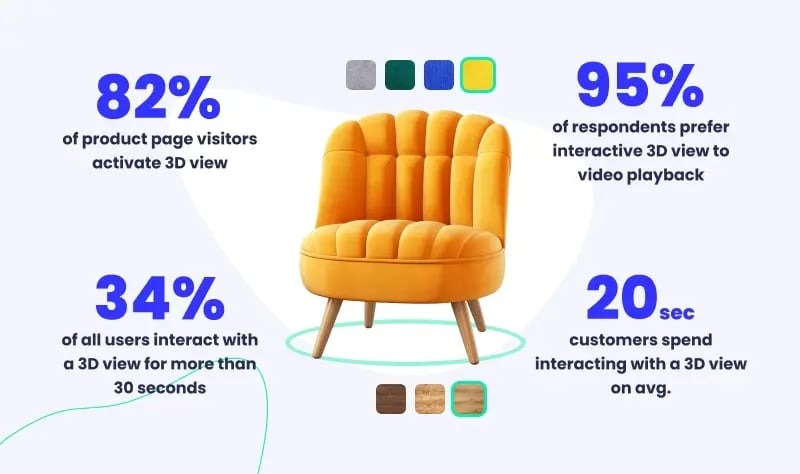
Furniture configuration software offers 360-degree visuals and customization options for every piece in your catalog. Your customers can zoom in and rotate the product to see every detail. They can even personalize items in real time.
But it gets better. With interactive 3D models and artificial intelligence, customers can virtually visualize and place your entire furniture collection or bundle in their home—or even outside—just by taking a photo.
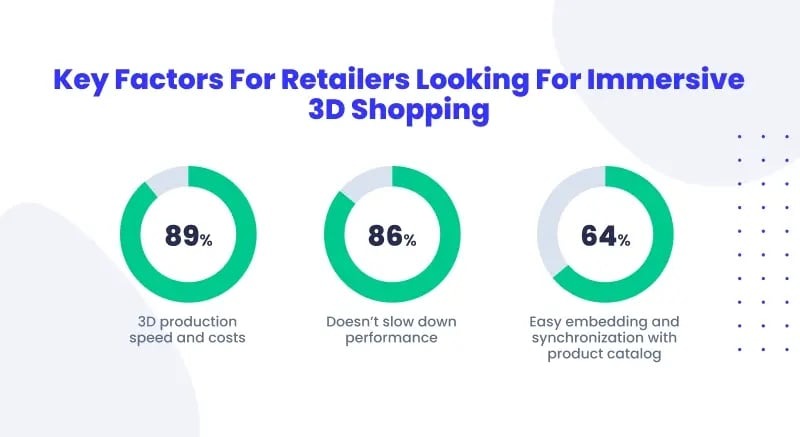
The 3D configuration tool is a powerful asset that engages customers while keeping the sales process smooth and efficient. It integrates smoothly with your website and launches right from your product pages, guiding customers through their purchase as if they were talking to your sales team in person.
By now, you might see how a furniture configuration makes your website more user-friendly. But how does it help the environment?
1. A Smart Way to Improve Demand Forecasting and Prevent Overproduction
Demand forecasting is like trying to predict the future using old data. It’s crucial for business decisions, but it’s not always spot-on.
If forecasts are off, overproduction happens. That’s a lot of waste. Extra products end up in landfills, burning through energy and resources.
To avoid this, retailers need a clearer picture of what customers want. Traditional methods rely on past sales and market trends, but in these unpredictable times, last year’s data might as well be from another planet.
Furniture configuration tools offer a real-time view of customer interest. By tracking things like configurator clicks and items added to carts, you get a better idea of what people actually want.
2. Furniture Configuration Eliminates the Need for Energy-Intensive Photo Shoots
A single photoshoot for a new furniture line is no small feat. You’ve got to package, ship, and transport thousands of items from the warehouse to a studio, and back again. That creates a lot of shipping waste and carbon emissions. Plus, studio lighting and equipment can guzzle industrial-strength electricity.
Instead, why not use software to get your product images? It’s way more efficient. Here’s how:
- 3D furniture rendering. Сreate thousands of photorealistic 2D images from a single 3D model. No studio needed.
- 3D configuration. Use 3D models to offer endless furniture configurations in a 360-degree view. Customers can see different colors, materials, and options in real time.
3. Furniture Configuration Cut Returns
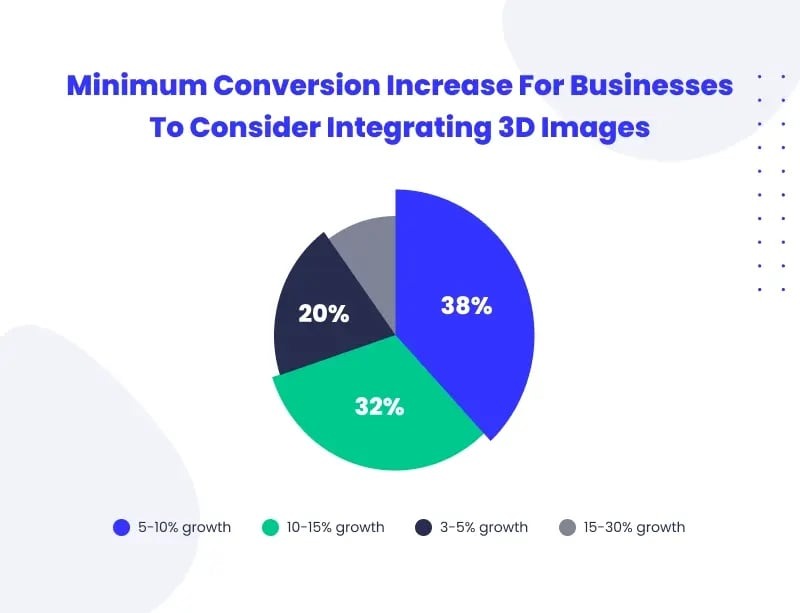
Furniture configuration tools are cutting down on returns. They streamline the sales cycle and make shopping more enjoyable. Here’s how:
- 360-degree views. 3D models provide detailed views, so customers don’t rely on vague descriptions. Since 22% of returns happen because buyers thought the images didn’t match reality, better images can cut returns significantly.
- Real-time customization. Customers can tweak features and see pricing updates instantly, avoiding those annoying shopping cart surprises.
- Artificial intelligence. With AI, shoppers can use their phones to see how furniture fits in their space, ensuring it’s a perfect match.
- Interactive fun. The furniture configuration makes shopping interactive and engaging, which boosts satisfaction.
- Personal investment. Configuration makes customers feel more connected to the product, reducing the likelihood of returns.
In practice, this approach is increasingly implemented through web-based configuration platforms. For example, some retailers use tools like Zolak’s 3d configurator to help customers explore furniture in detail, customize finishes and materials, and better understand how products will look and fit before making a purchase.
As a result:
- Less landfill waste. Fewer returns mean less waste ending up in landfills.
- Lower emissions. Fewer returns lead to reduced fuel emissions from shipping.
- Reduced production waste. Making only what’s needed lowers your carbon footprint.
Happy, confident customers tend to return and stay loyal. A personalized furniture shopping experience helps with:
- 50% more referrals. Satisfied customers spread the word.
- 94% boost in profits. Increased satisfaction equals higher profits.
- More than 260% increase in lifetime value. Loyal customers spend more over time.
Ready for Change?
The eCommerce sustainability challenge is a big one. There’s no quick fix to turn a company from wasteful to waste-free overnight.
Will a furniture configuration app make eCommerce carbon-neutral by tomorrow? Not quite. But can it help retailers start reducing their carbon footprint and waste today? Absolutely.
These configurations ensure customers only buy what they truly need, reducing resource use. Both the planet and your customers will appreciate it.
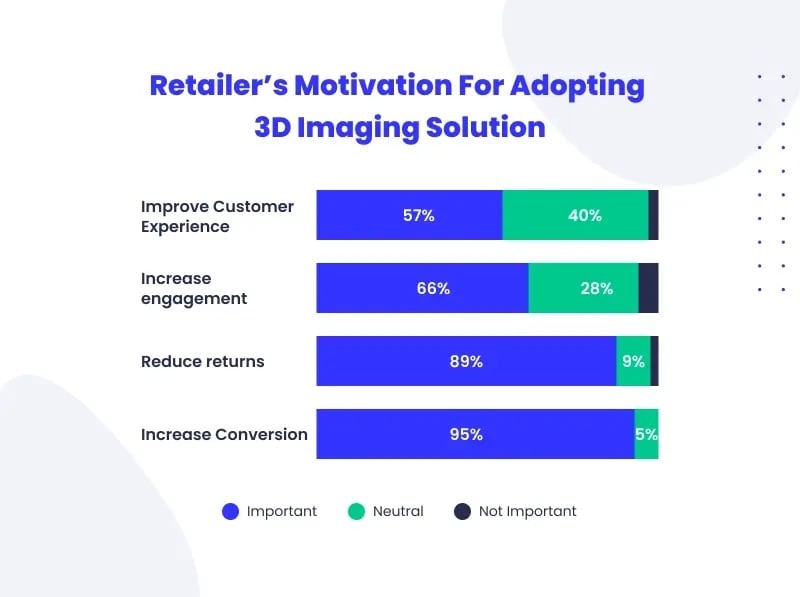
For furniture retailers, reducing waste is not just an environmental responsibility but a business imperative. Tools that help customers make better purchasing decisions upfront can significantly cut returns, lower operational costs, and reduce the industry’s environmental footprint. In the long run, sustainability and profitability are no longer separate goals—they are increasingly interconnected.

David Prior
David Prior is the editor of Today News, responsible for the overall editorial strategy. He is an NCTJ-qualified journalist with over 20 years’ experience, and is also editor of the award-winning hyperlocal news title Altrincham Today. His LinkedIn profile is here.