




















































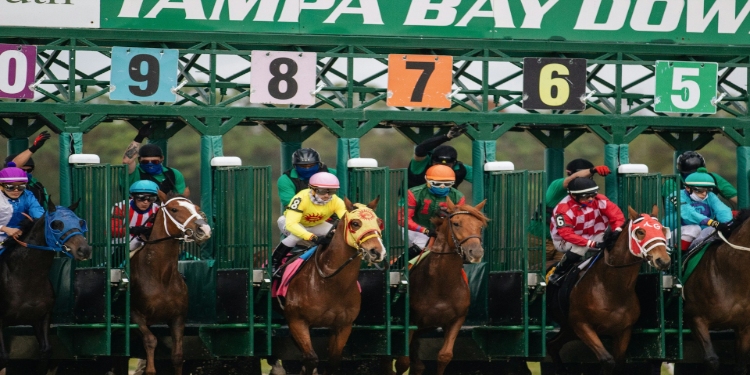
Horse racing in Britain has long carried a unique blend of sport and spectacle, but the fashion seen around the course plays a role just as distinctive as the racing itself. From crisp tailoring and elegant dresses to elaborate headwear, the dress seen at major meetings reflects more than a desire to impress; it shows how tradition, culture and social ritual knit together on a public stage. It could be the result of the countryside at Cheltenham, or the prestigious atmosphere at Royal Ascot, that inspires people to present themselves in different ways when it comes to fashion whilst attending the races. This, ultimately, has become a part of the culture, alongside punters who bet on horse racing for example, and wider engagement with other social elements of the sport, all while taking in the intense action on offer.
Where Sport Meets Spectacle
Horse racing has always been more than a test of equine speed and stamina; it has operated as a social event where visitors gather to see and be seen. Big events, such as the Royal Ascot and Cheltenham Festival, attract crowds from not just the UK but from around the world, which has prompted fashion to become a key part of the experience. During the early days of racing, it was often higher social class spectators who inspired visitors to dress in a way that was more professional and consistent with the status and prestige of the occasion. Over time, this fusion of sport and style has helped make race meetings unique occasions in the British calendar.


Practical Attire and Public Display
Early race‑going attire was rooted in practicality, with visitors choosing garments suited to the outdoors and the unpredictable British weather. As race meetings grew in popularity through the 18th and 19th centuries, so too did the emphasis on attire that marked attendance as a special event. Fashion on the turf evolved from the everyday clothing worn by the gentry into more elaborate outfits, with women experimenting with different fabrics, silhouettes and accessories to stand out in crowds. This shift mirrored wider changes in society as race days became public displays of taste and elegance.
Dressing for Distinction
Clothing at major horse racing events has long worked as a visual marker of identity, with dress signalling belonging to particular social circles or traditions. The likes of Royal Ascot are an example of an event that installs a formal dress code for specific zones, requiring the likes of top hats and tailored outfits, which reinforce the history and tradition of the sport that dates back over centuries. It has created expectations surrounding dress code at horse racing events, which has spread around the world. The fashion at the races is often a reflection of the values of those attending, balancing tradition as well as standing out in the large crowds by expressing extravagant outfit choices. Although rules have changed in some places, the link between dress and distinction remains culturally significant.
Silks, Symbols, and Storytelling
One of the most recognisable elements of horse racing fashion belongs to the horses and jockeys themselves in the form of racing silks. The brightly coloured jackets and caps are specific to a jockey for a practical purpose, rather than a fashion standpoint. They are used to stand and make horses identifiable by spectators and commentators, a trend which began in the UK and has gone on to be a part of the sport since the 18th century. Their visual impact adds another layer to the pageantry of race day and is a tradition that is unlikely to ever change.
Art of the Race Day Hat
The hat is arguably one of the most iconic accessories associated with race day, especially when it comes to high-profile meetings like that of the Royal Ascot. Building up the event sees people preparing a variety of elaborate headpieces that have simply become a key part of the event’s culture, blending fashion with tradition. It is common for people to select bold colours and creative shapes that still align with the strict dress codes as a way of expressing themselves and standing out in the crowd. The prominence of hats at race days has made these accessories a focal point of fashion coverage and a unique platform for designers to showcase their work on a national stage.
Tradition and Individual Expression
While tradition is often maintained thanks to a strict dress code, in the modern day, many racegoers choose to show their own style or follow specific racecourse guidelines. It has become more common in recent years to see classical outfits updated with modern colours and accessories that allow people to stand out. This is an approach that has made race day fashion more engaging and modernised a classical tradition for a new audience and a rise in interest on social media platforms. The result is a mix of where tradition meets modern-day creativity, which creates an atmosphere that is unique to horse racing.

David Prior
David Prior is the editor of Today News, responsible for the overall editorial strategy. He is an NCTJ-qualified journalist with over 20 years’ experience, and is also editor of the award-winning hyperlocal news title Altrincham Today. His LinkedIn profile is here.