















































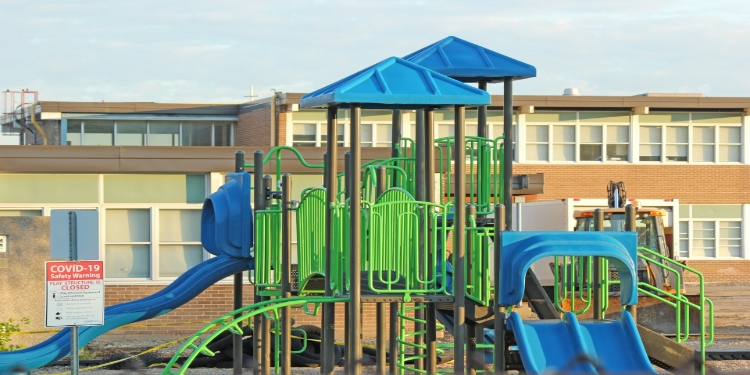
Every year, thousands of schools invest significant budgets into new playground equipment, hoping to create engaging outdoor spaces where children can play, learn, and develop. Yet walk through many school playgrounds and you’ll spot the same recurring problems: equipment that’s barely used, maintenance headaches that could have been avoided, or layouts that create more problems than they solve.
After looking at common playground planning issues and speaking with those in the industry, we’ve identified the most costly mistakes that schools make when selecting and installing playground equipment. The good news? They’re all entirely preventable with a bit of forethought.


1. Choosing Equipment Based on Looks Rather Than Play Value
It’s an easy trap to fall into. The brochure shows a spectacular multi-tower castle structure in vibrant colours, and suddenly you’re imagining it as the centrepiece of your playground. But here’s the question that matters: will children actually play on it for more than a fortnight?
This happens constantly across the industry. A piece of equipment might photograph beautifully, but if it doesn’t offer varied play opportunities or genuine challenge, kids lose interest quickly. Then you’ve got an expensive ornament taking up valuable space.
The equipment that gets used day after day tends to offer multiple play experiences (climbing, balancing, spinning, sliding) and allows children to use it in different ways as they develop confidence. A simple climbing frame with varied height challenges often sees more action than an elaborate structure with limited play options.
How to avoid it: Visit schools with similar equipment already installed. Watch how children actually interact with it. Ask the staff which pieces get used most. Don’t just trust the catalogue photos.
2. Ignoring Your Site’s Specific Constraints
Not every playground is a flat, well-drained rectangle, yet many schools try to impose equipment designed for ideal conditions onto challenging sites. Sloping ground, poor drainage, limited access for installation vehicles, proximity to trees – all of these factors should influence your equipment choices from the outset.
Schools regularly order large climbing structures without considering how they’ll be delivered. The only access might be through a narrow side gate. The equipment arrives in sections too large to fit through, requiring partial fence removal and additional costs nobody budgeted for.
Drainage issues cause even more problems. Equipment installed on poorly draining ground creates muddy quagmires that make the playground unusable for weeks each winter. The surfacing deteriorates faster, maintenance costs spiral, and ultimately the equipment sits in a bog.
How to avoid it: Get a proper site survey done before selecting equipment. Professional suppliers will assess access, drainage, ground conditions, and spatial constraints. This information should drive your equipment choices, not be an afterthought.
3. Buying for the Wrong Age Group
This mistake takes several forms. Sometimes schools install early years equipment on their main KS2 playground because it “looks fun,” only to find eight-year-olds quickly outgrow it. Other times, they place equipment designed for older children in spaces used by reception classes, creating safety concerns.
The consequences extend beyond bored children. Equipment that’s too easy encourages risky behaviour as children try to make it more challenging (standing on swings, climbing outside structures, using equipment in ways it wasn’t designed for). Equipment that’s too advanced leads to injuries and undermines confidence.
Age-appropriate equipment isn’t just about safety certification. It’s about developmental appropriateness. Five-year-olds need equipment that builds fundamental movement skills. Ten-year-olds need genuine physical challenges that test their growing capabilities.
How to avoid it: Map your playground zones to specific age groups. Research the developmental needs of each age range. If you have limited space and mixed ages, prioritize equipment that offers graduated challenges (easier routes and harder routes on the same structure).
4. Cramming Too Much into Available Space
When budgets allow for new equipment, there’s a temptation to maximize the investment by fitting in as many pieces as possible. The result is often a cramped playground where equipment is too close together, creating collision risks and eliminating the open space children need for running games and social play.
Playground standards specify minimum safety zones around equipment (the “fall zones” where a child might land if they slip or jump). But beyond these legal minimums, children need circulation space to move between activities and open areas for the unstructured play that’s just as valuable as equipment-based activity.
Industry specialists often find themselves suggesting schools remove items from their initial plans and create more open space instead. It sounds counterintuitive when you’re spending money on equipment, but playgrounds genuinely work better with room to breathe. Children end up using all of it, not just the equipment.
How to avoid it: Plan for negative space as deliberately as you plan for equipment. Consider how children will move through the playground. Ensure adequate fall zones. Remember that sometimes less is genuinely more.
5. Forgetting About Supervision Sightlines
Equipment positioned in corners, behind buildings, or surrounded by tall structures creates supervision blind spots. Staff can’t see what’s happening, and that’s when behaviour deteriorates and accidents happen.
This doesn’t mean every piece of equipment needs to be in the middle of an open field. But it does mean thinking strategically about placement. Can staff members supervising the playground see all the equipment? Are there spots where children could be out of sight?
Some equipment inherently creates supervision challenges (tunnel systems, enclosed towers, or structures with solid panels). That doesn’t rule them out, but it does mean positioning them thoughtfully and ensuring staff are aware of the spots that need extra attention.
How to avoid it: Walk your proposed layout at child height. Identify any blind spots. Consider where staff typically stand during break times. Adjust equipment placement accordingly. In some cases, choosing equipment with open mesh panels rather than solid sides solves the issue entirely.
6. Underestimating Installation and Surfacing Costs
The equipment price is just one part of the total investment. Groundworks, surfacing, installation labour, and potential extras can add 40-60% to the headline equipment cost. Schools that budget only for the equipment itself get a nasty shock when the full quote arrives.
Different equipment types have different installation requirements. A simple spring rocker might need minimal groundworks. A large climbing structure requires substantial foundations, extensive safety surfacing, and perhaps site clearance or drainage work.
Reputable suppliers provide fully detailed quotes that break down every cost, but schools still regularly budget based only on equipment prices they’ve seen online. Then they have to either compromise on what they’re getting or scramble to find additional funding.
How to avoid it: Request detailed, itemized quotes that include all installation costs, groundworks, surfacing, and any ancillary items like fencing or seating. Budget for contingencies (around 10% of the total cost is sensible for unexpected site issues).
7. Choosing Surfacing Based Solely on Initial Cost
Wet pour rubber surfacing costs more upfront than options like bark or grass. Consequently, many schools opt for the cheaper alternative without considering long-term costs or practicalities.
Bark needs regular topping up as it compacts and disperses. It gets kicked onto hard surfaces, creating slip hazards and extra cleaning work. In wet weather, it turns to mush. Children with mobility aids struggle on it. Over a ten-year period, the total cost often exceeds the price of wet pour when you factor in maintenance, replacement, and the reduced usability during winter months.
Similarly, grass sounds appealing until you realize that equipment areas quickly turn to mud under heavy use, especially in the British climate. Equipment becomes unusable for large portions of the year.
How to avoid it: Calculate whole-life costs, not just installation costs. Consider usability in different weather conditions. Think about maintenance requirements and who’ll be doing that work. Factor in how different surfacing types affect accessibility for all children.
8. Ignoring Inclusive Design Until It’s Too Late
Too many schools think about inclusive access as an afterthought, perhaps adding a wheelchair-accessible swing once the main equipment layout is finalized. True inclusive design means considering accessibility from the very beginning and creating spaces where all children can play together.
Inclusive play isn’t just about wheelchair access, though that’s important. It’s also about accommodating different sensory needs, varying confidence levels, and diverse physical abilities. It means providing quiet spaces for children who get overwhelmed, alongside active equipment for those who need to burn energy.
Transfer platforms, ramped access, sensory panels, and varied challenge levels all contribute to genuinely inclusive playgrounds. But they need to be integrated into the design from the start, not bolted on at the end.
How to avoid it: Make inclusive design a core requirement, not an optional extra. Consult with your SEND coordinator about the specific needs of children in your school. Look at exemplar inclusive playgrounds. Specify inclusive features in your initial brief to suppliers.
9. Failing to Plan for Maintenance
Playground equipment needs regular maintenance (annual safety inspections at minimum, plus routine checks and occasional repairs). Yet many schools select equipment without considering how they’ll maintain it or whether they have the budget for ongoing upkeep.
Some equipment is inherently higher maintenance. Timber structures need regular treatment and checking for splinters or rot. Moving parts on swings, spinners, and rockers require inspection and occasional replacement. Complex multi-level structures with numerous components give you more things that can potentially fail.
There’s nothing wrong with choosing these equipment types if you understand the maintenance implications and have plans in place. The mistake is selecting equipment without considering this at all, then being caught out when repairs are needed.
How to avoid it: Ask suppliers about typical maintenance requirements for each equipment type. Get clarity on what your routine inspections should include. Budget for an annual professional inspection and an allowance for repairs. Choose equipment with realistic maintenance requirements for your staffing and budget situation.
10. Going It Alone Without Expert Input
Perhaps the biggest mistake is treating playground equipment selection as a purely procurement exercise (finding the cheapest supplier, ticking boxes on specifications, and placing an order) without engaging with the design process.
Quality playground suppliers like Caloo offer design expertise that goes far beyond just selling equipment. They’ve worked on hundreds of playgrounds, they understand what works and what doesn’t, and they can help you avoid the mistakes outlined in this article. Site visits, equipment recommendations based on your specific needs, and suggestions for getting the most from your budget are typically all part of the service.
The best playground projects involve genuine collaboration between the school (who understand their children, culture, and constraints) and experienced suppliers who bring technical knowledge and design expertise.
How to avoid it: Involve your supplier early in the planning process, not just at the point of ordering. Ask for site visits and design consultations. Take advantage of their experience. Be open to suggestions that might differ from your initial ideas.
Getting It Right
The common thread running through all these mistakes is the same: they stem from treating playground equipment as a product purchase rather than a design project that requires careful planning, expert input, and thoughtful decision-making.
Your playground equipment represents a significant investment that will shape children’s outdoor experiences for a decade or more. The schools with the best playgrounds are those that start with clear objectives, involve the right people, consider their specific context, and make decisions based on long-term value rather than short-term cost savings.Get this right, and you create a playground that children genuinely enjoy using, that supports their development, that remains safe and attractive for years, and that represents excellent value for your investment. When you’re ready to explore options, looking at suppliers with proper design experience (like Caloo’s range of playground equipment) gives you a starting point for understanding what’s possible for your specific site and budget.

David Prior
David Prior is the editor of Today News, responsible for the overall editorial strategy. He is an NCTJ-qualified journalist with over 20 years’ experience, and is also editor of the award-winning hyperlocal news title Altrincham Today. His LinkedIn profile is here.