




















































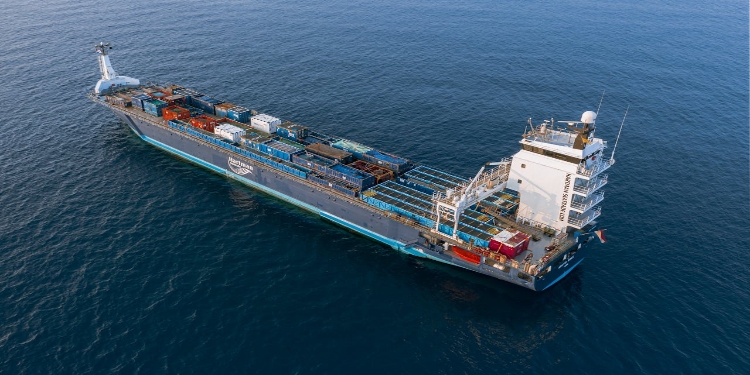
Container schedules can look stable on paper, yet a single incident at sea can force days of detours and sudden cost spikes. That is the frustrating reality of global shipping: planned ETAs, tidy carrier rotations, and carefully tuned inventory targets can unravel quickly when a vessel is delayed, a port tightens security, or a chokepoint becomes temporarily unattractive to transit. Because roughly 80 percent of global trade by volume moves by sea, even a localized shock can ripple far beyond the immediate route, showing up as missed connections, rolled bookings, and unexpected congestion at alternate gateways.
For logistics leaders, emerging maritime threats now show up as routine variability rather than rare crises in global trade. Instead of a once-in-a-decade disruption, teams are increasingly managing a steady drumbeat of smaller, compounding events that erode schedule reliability: longer sailings after reroutes, higher war risk premiums and surcharges, tighter equipment availability, and knock-on delays across feeder networks and inland transport. The result is not only higher freight spend, but also harder planning conversations across procurement, finance, and operations as service levels become more volatile and buffer strategies need to be revisited more often.


Quick Snapshot of Maritime Threats and Risk Signals
Disruption tends to cluster into a few buckets: physical violence such as piracy and drone attacks, operational sabotage through cyberattacks, extreme weather, and chokepoint constraints that narrow shipping routes. These events typically translate into longer transit times, rerouting, higher freight rates, inventory shocks, and occasional compliance complications when authorities change screening or sanction guidance.
Threats Most Likely to Disrupt Shipments This Year
The main categories of maritime disruption span physical attacks, digital intrusions, and environmental pressures. Piracy and armed robbery persist in regions with weak governance, while state-backed drone attacks have escalated in contested waterways. Cyberattacks targeting port systems and vessel navigation add another layer of vulnerability, and extreme weather events continue to reduce canal throughput unpredictably.
Each category creates distinct operational impacts. Physical threats may force rerouting or require armed escorts, whereas cyber incidents can freeze documentation and gate operations for days. Climate-driven constraints, by contrast, tend to build gradually but can persist for months, reshaping carrier strategies across global trade networks.
Early Warning Indicators Procurement Teams Can Watch
Early signals are often visible before cargo misses a delivery window. Teams can watch official maritime security advisories, a rise in insurer war risk premiums, unusual rerouting trends by major carriers, and persistent port congestion that makes recovery slower after an incident. If you need help turning these inputs into a repeatable watchlist and escalation triggers, working with a maritime security consultant can help formalize what to monitor and when to act.
Tracking these indicators helps procurement and logistics functions anticipate disruptions rather than react to them. When multiple signals align, such as rising premiums alongside carrier schedule changes, the case for activating contingency plans strengthens considerably.## Where Global Supply Chains Are Most Exposed at Sea
Red Sea Pressure and Suez Canal Implications
The Red Sea has become a flashpoint where attacks and escorts quickly ripple into the Suez Canal, a chokepoint with few substitutes. When carriers detour around the Cape, lead times stretch, schedules lose reliability, and importers add inventory buffers. As UNCTAD: maritime trade under pressure notes, costs spread quickly across global trade when this corridor faces sustained pressure.
South China Sea and Indo-Pacific Escalation Risks
In the South China Sea, geopolitical tensions and grey-zone activity raise the risk of sudden exclusion zones or heightened inspections. Firms with Indo-Pacific production footprints often feel the impact as blank sailings, port bunching, and less predictable arrivals that complicate planning and cash flow. These disruptions also create knock-on delays for feeders and inland distribution networks that depend on reliable vessel schedules.
Panama Canal Constraints and Drought-Driven Limits
The Panama Canal illustrates how extreme weather events can bite even without conflict, as drought-driven draft limits and transit caps reduce throughput. Shippers respond by shifting to larger inventory buffers, rebalancing to US West Coast rail, or rerouting via Suez or around South America. Unlike conflict-driven disruptions, these constraints often persist for entire seasons, requiring longer-term adjustments to shipping routes.
Emerging Threat Landscape: Piracy, Drones, Cyber
Piracy and Armed Robbery Patterns Affecting Shipping
Piracy and armed robbery remain largely opportunistic, clustering where governance is uneven and response times are slow. Even when cargo is not taken, the risk to crew safety can trigger higher watch levels, embarkation of guards, and altered shipping routes that avoid night transits or loitering near anchorages. Insurers may also adjust premiums after local spikes, shaping which ports and canals carriers are willing to call.
State and Proxy Attacks Including Houthi Targeting
Politically driven violence has a different signature: missile and drone attacks aim to signal power, disrupt commerce, and exploit geopolitical tensions. In the Red Sea, Houthi targeting has led to convoys, temporary exclusions, and reroutes that bypass the Suez Canal window entirely.
The operational impact extends beyond hull damage to delayed canal transits, sudden port closures, and sharp war risk pricing on specific voyages. These dynamics connect directly to the chokepoint pressures discussed earlier, amplifying disruption across interconnected shipping routes.
Cyberattacks on Vessels, Terminals, and Port Systems
Cyberattacks increasingly function as a disruption multiplier because they compromise the systems that keep cargo moving. When port infrastructure or terminal networks go offline, scheduling tools, documentation flows, and gate operations can stall, creating queues that outlast the initial incident for days afterward.
Vessels can also face navigation or communications degradation, forcing conservative routing decisions and extra inspections that ripple across shipping routes. Unlike physical attacks, cyber incidents may not be immediately visible, making early detection and response protocols essential.
How Companies Can Manage Maritime Exposure as Risk
Map Exposure by Lane, Supplier, and Port Dependency
Teams can run a repeatable cycle: identify critical flows, quantify impact, set risk appetite, implement controls, then monitor and review regularly. Mapping shipping routes by lane, supplier, and port infrastructure dependency provides the foundation for this work.
Good governance prevents rushed decisions during incidents. Procurement, logistics, legal, security, and finance should share a single risk register, pre-approved escalation thresholds, and named owners for reroutes, sanctions screening, and insurance notifications.
Controls That Reduce Disruption Impact, Not Just Odds
Controls should focus on supply chain resilience when disruption occurs rather than solely on prevention. Options include qualified alternate ports, diversified carriers, inventory buffers for volatile lanes, and playbooks that connect cyberattacks at terminals to expected physical delays.
Operational continuity depends on data flows as much as physical routing. Tightening access controls for booking and documentation, segmenting integrations with port platforms, and testing manual fallbacks for releases and gate moves all strengthen resilience against the cyber threats outlined earlier.
When to Use Private Maritime Security and Advisors
Private maritime security support can make sense when ongoing monitoring and compliance interpretation exceed internal bandwidth, or when specific voyages need route-by-route risk assessments. The right partner can help with threat reporting, aligning incident-response steps, and coordinating with insurers when conditions change quickly.
Advisors can also help you navigate multilateral cooperation and deconfliction guidance while keeping final decisions and accountability in-house. Used well, this support complements rather than replaces the governance structures and controls discussed above.
Resilience Actions That Protect Service Levels and Cost
Routing, Carrier Strategy, and Inventory Buffering Choices
Rerouting keeps orders moving, but it shifts the balance between transit time, freight cost, and arrival reliability. When carriers alter shipping routes, downstream distribution can often absorb the shock through different drayage lanes, rail dwell, or DC labour peaks.
A practical approach pairs diversified carrier allocations with selective inventory buffering on the most variable corridors. The goal is not to eliminate disruption but to protect on-time-in-full performance while keeping working capital disciplined. Guidance on streamlining international shipping can support these operational adjustments.
Port Infrastructure Disruptions and Inland Knock-Ons
Port infrastructure failures, labour stoppages, or cyber incidents often create inland queues that outlast the vessel delay. Contingency playbooks should name alternate gateways, pre-vetted multimodal options, and documentation steps that still work when systems degrade.
These preparations connect to the cyber resilience measures discussed earlier, ensuring that digital disruptions do not cascade into physical bottlenecks that take weeks to clear.
Planning for Extreme Weather and Canal Restrictions
Extreme weather events and drought-driven restrictions, such as limits at the Panama Canal, deserve explicit S&OP scenarios. Assumptions should cover longer sailing times, reduced slots, and split shipments so that global trade commitments stay credible and supply chain resilience improves over time.
Insurance and Financial Exposure During Maritime Shocks
How Cargo Insurance and War Risk Premiums Change
When geopolitical tensions intensify, insurers often reprice voyages on higher-risk shipping routes. War risk premiums, port surcharges, and security fees can appear quickly, while delays trigger demurrage, detention, or expedited freight to protect delivery dates.
Cargo insurance may cover loss or damage in transit, but coverage can hinge on value, packing, route changes, and timely notice. Policies may exclude war or terrorism unless added, and some claims dispute delay losses. Readers should consult brokers and legal counsel for specifics.
Contract Terms That Shift Responsibility and Liability
Contracts decide who pays when disruption hits global trade. Incoterms, force majeure wording, and carrier clauses influence which party absorbs rerouting costs, congestion surcharges, or delivery penalties under pressure.
Because rates and risks move fast, finance, legal, and logistics teams should align on approval thresholds, documentation, and communications before altering shipping routes. That coordination reduces disputes and keeps loss accounting consistent across the organisation.
What to Do Next to Reduce Maritime Disruption Risk
Maritime disruption rarely comes from a single source. Physical attacks, cyber incidents, geopolitical shocks, and climate-driven constraints can all interrupt schedules, insurance pricing, and port access across global trade.
Near-term priorities centre on balance: map exposure by lane and node, improve monitoring with shared indicators, and predefine operational options such as alternate gateways, carriers, and documentation fallbacks. These steps keep decisions timely without overreacting.Over time, treat this as a programme for supply chain resilience, aligned with building a sustainable supply chain and regular governance reviews for cross-functional risk ownership.

David Prior
David Prior is the editor of Today News, responsible for the overall editorial strategy. He is an NCTJ-qualified journalist with over 20 years’ experience, and is also editor of the award-winning hyperlocal news title Altrincham Today. His LinkedIn profile is here.