



















































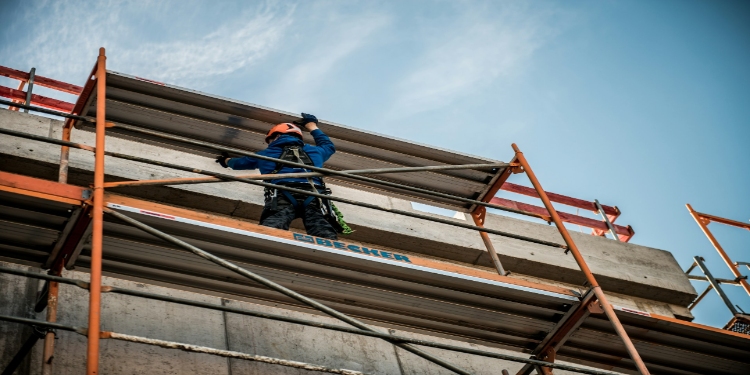
Scaffold rental services play a key role in keeping job sites safe and productive. Before any scaffold reaches a construction site, professionals inspect each component to confirm that it meets safety standards and works as intended. They handle inspection and maintenance by following structured checklists, testing stability, and replacing any part that shows signs of damage or wear. This process protects workers and reduces delays caused by faulty equipment.
Each rental service follows its own inspection protocols, but most perform visual checks before every delivery and scheduled maintenance between uses. Minor repairs often occur on-site, while larger maintenance tasks take place in storage yards or dedicated service areas. These steps help extend scaffold life, maintain compliance with safety regulations, and provide consistent performance across projects.


Anyone managing a construction project benefits from understanding how these systems work. It helps them choose services that value safety, maintenance quality, and dependable operation.
Scaffold Inspection Protocols in Rental Services
Rental services follow structured inspection practices to keep scaffolding safe, stable, and fully functional. Inspections verify the condition of every component, confirm compliance with safety rules, and document the results to help reduce risk during use.
Types of Scaffolds and Unique Inspection Needs
Different scaffold types require unique inspection methods. Supported scaffolds, such as frame or system scaffolds, rest on rigid supports. Inspectors must check base plates, planks, and guardrails for any signs of wear, corrosion, or loose fittings. Stability and secure bracing come first because uneven foundations can cause collapse.
Suspended designs hang by ropes or cables and often serve work at greater heights. Inspection must confirm secure attachments, intact ropes, and smooth hoist operation. For mobile scaffolds on wheels, brakes should hold firmly, and the surface beneath must stay flat and clean.
Before builders rent scaffold towers with Lakeside Hire, they should receive confirmation that each tower meets current safety standards. Proper checks allow workers to focus on tasks rather than equipment issues. Every inspection stage protects users and keeps scaffolds in dependable condition.
Inspection Schedules and Legal Compliance
Legal standards guide how often scaffolds need review. A competent person checks each structure after installation, before first use, and at least once every seven days. Severe weather or modifications require another full inspection. These intervals align with workplace safety laws that aim to prevent accidents from unnoticed defects.
Rental companies maintain written procedures to meet these rules. They include timelines, qualifications of inspectors, and defined corrective steps. Inspectors must record findings, fix problems promptly, and verify results before the scaffold returns to use.
Consistency matters more than frequency. A proper schedule supports worker confidence and demonstrates that the rental provider takes safety seriously. Without a defined routine, small issues like bent couplers or cracked planks may escalate quickly.
Checklist for Visual and Structural Assessment
Inspectors start each evaluation with a basic checklist. They look for missing parts, loose fittings, and signs of rust or cracking. The platform surface must be stable, free of debris, and securely fixed. Every guardrail and midrail should fit tightly and match height standards.
Structural checks include plumb and level measurement, inspection of connection points, and review of load limits. Inspectors verify that tags identify each scaffold as safe or needing repair. They also remove damaged pieces immediately instead of marking them for later. Quick action keeps unsafe components from returning to circulation.
A clear checklist shortens inspection time while improving accuracy. It turns a complex structure into defined tasks anyone trained can follow confidently.
Inspection Recordkeeping and Reporting
Accurate recordkeeping supports accountability. Each scaffold inspection report includes the inspector’s name, date, location, and details of observed conditions. Notes specify any corrective actions, replaced parts, and follow-up needs. Documentation often includes photo evidence for better traceability.
Rental providers store these records both digitally and in print. They use them to track performance across multiple sites and identify recurring issues. Clients may also request copies to confirm that scaffolds meet safety requirements before use.
Structured reporting creates transparency between the rental company and the construction team. Reliable records prove that inspections occur on schedule and that equipment sent to job sites meets required safety standards.
Comprehensive Maintenance and Safety Measures
Scaffold rental services place strong attention on maintenance schedules, foundation checks, and safe access features. Each inspection confirms that scaffolding structures stay stable, secure, and ready for use with the proper fall protection in place.
Routine Maintenance Procedures and Common Repairs
Each scaffold must go through a set maintenance schedule based on usage, location, and exposure to weather. Workers inspect joints, couplers, and frames for cracks, deformation, or rust that could weaken the structure. Damaged components are replaced with approved parts before the scaffold returns to service.
Loose fittings or worn connectors account for many common repairs. Technicians tighten bolts and clamps to maintain platform rigidity. Wooden planks show wear faster and must remain smooth, dry, and free from splits. Metal platforms require checks for corrosion.
To maintain scaffolding safety, inspectors follow documented checklists that include frame alignment, load limits, and component labeling. These records show accountability for each scaffold’s condition and keep renters informed of ongoing maintenance results.
Guaranteeing Scaffold Stability and Foundation Safety
A stable scaffold starts with a solid base. Inspectors check baseplates and mud sills to verify they rest on level, firm ground that can support the full load. Poor base support can lead to scaffold collapse, especially on soft or uneven surfaces.
Staff review bracing systems and tie-ins that attach the structure to a building or support wall. Proper bracing controls sway and adds strength during high winds. Regular soil inspections near foundations help identify settlement or erosion that could affect safety.
Before use, the scaffold must pass a final stability test. Workers confirm the plumb and level alignment of vertical frames and check that casters, if installed, lock securely. A stable foundation keeps the entire structure safe under load.
Fall Protection Systems and Guardrail Inspections
Fall protection measures reduce the risk of injury from working at height. Rental services inspect guardrails, midrails, and toe boards to confirm correct placement and strength. Each platform must have adequate edge protection wherever workers operate.
Personal fall arrest systems form another layer of safety. Inspectors verify anchor points, lifelines, and connectors for wear or damage. Harnesses and lanyards, part of the required personal protective equipment (PPE), must meet safety standards and fit workers properly.
Regular checks of these protections prevent falls and also reduce hazards from falling objects. By maintaining both the scaffold structure and its protective equipment, rental services create safer work areas for crews on site.
Conclusion
Scaffold rental services play a key role in keeping worksites safe and efficient. They check all parts of the scaffolding, such as frames, braces, and guardrails, before and after use to confirm proper function and stability. Repairs or replacements occur right away to prevent hazards.
Regular inspections also help extend the equipment’s lifespan. By spotting wear or damage early, teams can fix small issues before they grow into major problems. This practice supports both safety and cost control.
Consistent training helps site supervisors understand inspection routines and proper setup. As a result, workers can trust that rented scaffolds remain in safe condition throughout each project.
In summary, scaffold rental providers maintain safety through structured inspections, timely maintenance, and clear communication with customers. This process helps construction teams work confidently and reduce risks on the job.

David Prior
David Prior is the editor of Today News, responsible for the overall editorial strategy. He is an NCTJ-qualified journalist with over 20 years’ experience, and is also editor of the award-winning hyperlocal news title Altrincham Today. His LinkedIn profile is here.