


















































Plastic packs have become a big headache these days. Most of it is thrown in landfills, rivers, or streets because people don’t recycle properly, and plastic takes years to decompose. Everyone is noticing this, and brands are slowly realizing that they can’t just put products in any pack. They have to think about what they use too.
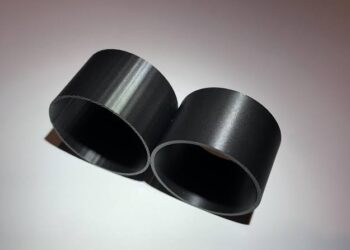
More brands are now trying paper packs to reduce plastic. Paper tubes, boxes, and simple packs are easy to use, break down naturally, and still look neat. While reading about this, Earthycores came up a lot. People liked that their paper tube packaging help brands move away from plastic while keeping the packs strong and useful.


Paper packs also have some simple advantages:
- They are light, so moving them from factory to dukaan costs less fuel and money.
- Paper packs can be reused or recycled easily, without creating extra mess.
- Customers feel good seeing packs that are sahi for the environment, and that builds trust.
Using paper packs is not just for saving the environment. In India, where streets and rivers are full of plastic, it tells people that a brand actually cares. Small changes like these may seem simple, but over time they make a big difference for the brand, the customer, and the planet.
Why Plastic Packaging Remains a Problem
- Recycling limitations and contamination
People say plastic is recyclable, but in most towns and cities, it doesn’t really happen. A lot of plastic ends up mixed with other garbage or in small shops where no one sorts it properly. So even if a pack says “recyclable,” it usually doesn’t go back into use and just piles up somewhere. - Plastic stays for too long and creates microplastics
Plastic doesn’t disappear quickly — it can stay for decades or even hundreds of years. While it sits there, it breaks into tiny bits called microplastics that go into rivers, soil, and sometimes even the food we eat. These small pieces are everywhere and can cause problems for animals, humans, and nature over time.
Paper Packaging as a Practical Alternative
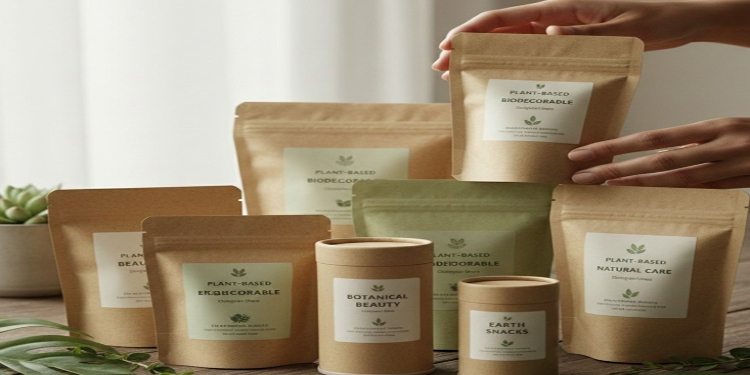
These days, brands are using materials from plants and other natural sources instead of plastic for making their packaging. The good thing is that the kind of packaging can break down on its own, so it doesn’t just sit in dustbins or rivers for years. People feel better buying it too, knowing it won’t hurt the environment or water the way plastic does. It’s a small change, but it actually makes a difference.
Even if the pack is paper or something that can decompose, it still has to work with how local recycling happens. If it can’t go into regular recycling or compost bins, it doesn’t really help. That’s why brands are making sure their packs match what people and waste collectors are already doing. This way, the effort to reduce plastic actually reaches the ground and isn’t just on paper.
How Brands Are Using Paper Packaging to Cut Plastic
A lot of brands are swapping out plastic containers and wraps for paper ones. It’s not just about looking good paper packs can break down easily, so they don’t stick around in landfills or rivers for years. People like buying products in this kind of packaging because it feels safer for the environment. Even small swaps like this add up when lots of people do it.
Some packs have layers of plastic, foil, and paper all stuck together, which makes recycling a headache. Brands are now trying to keep it simple using mostly one type of material, like paper. This makes it easier for recycling and composting to actually work. In the end, it’s just about making sure the packaging fits what people and local waste collectors can handle.
The Growing Role of Paper Tube Packaging
Paper tube packaging is catching on these days, especially in snacks, cosmetics, and small household items. It’s strong enough to keep things safe but still breaks down naturally, so it’s better for the environment than plastic. People feel good buying products in these tubes because it’s simple, eco-friendly, and easy to use.
Functional benefits across industries
Paper tubes aren’t just for show—they actually do their job well. They keep powders, creams, or snacks fresh and protected during shipping or storage. Companies like them because the tubes are reliable and don’t make products messy.
- You can make them in different sizes or shapes depending on the product.
- Some even come with lids that can be reused, which customers love.
Balance of durability and sustainability
The best thing about paper tubes is that they are strong enough for daily use but still break down when thrown away. Brands can sell their products confidently, knowing the packaging won’t harm the environment. It’s a small change, but when many brands do it, it adds up.
- Customers notice when brands care about packaging, and it builds trust.
- It’s an easy way to cut down plastic without changing how the product works.
Design and Sustainability Working Together
These days, a lot of brands are moving away from plastic and using stuff from plants or paper. It’s good because the packs break down on their own instead of lying around in dustbins or rivers for years. People like it too it feels safer for the environment.
Even if the pack is paper or something that composts, it still has to fit with local recycling. If it can’t go in normal bins, it doesn’t do much. That’s why brands make sure their packs match what people and waste collectors already do.
Paper tubes are catching on because they’re strong but still easy to throw away without harming the planet. They come in different sizes, and some even have lids you can reuse. It’s simple, handy, and people like it.
Brands are also cutting out extra plastic bits and keeping packaging simple. No extra layers, no unnecessary parts, just what’s needed. Small changes like this don’t feel like much, but they really add up when lots of people and brands do it.
Why Larger Brands Are Paying Attention
These days, brands are also thinking about how they treat the environment and society. Using paper or plant-based packs shows they are trying to do the right thing. It’s not just rules, it’s about being careful and responsible in business.
People also notice when brands are clear about what they’re using. If the label tells you what the pack is made of and how to throw it away, it feels honest. Customers trust that brand more and are happy to buy from them again.
Conclusion: Packaging as a Long-Term Environmental Decision
Using simple packs and paper instead of plastic really helps. It doesn’t feel like a big change, but when many brands and people do it, it actually makes a difference. The planet doesn’t get as messy, and recycling becomes easier.
Being open with customers is just as important. When people know what the pack is made of and how to throw it away, they feel the brand is honest. It makes them happy to buy and use the product again.