
























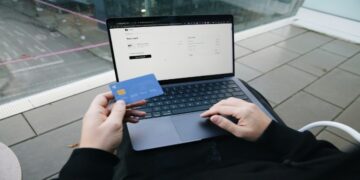






























January sales are a prime opportunity for U.S. shoppers to grab post-holiday bargains, but they are also a peak period for cybercrime. With more consumers browsing deals on mobile devices and public networks, online shopping risks increase significantly.
If you want to shop safely during the January sales season, check out our top practical cybersecurity strategies. They are designed to keep you and your data safe from a range of attacks, no matter what device you use.


Recognize common scams and fake retail sites
Scammers use many schemes to steal your money and information. For instance, they capitalize on the urgency created by the limited-time January discounts. Phishing emails posing as well-known retailers, cloned storefronts with convincing branding, and fake ads on social media are especially common during seasonal promotions.
These scams often use exaggerated discounts to prompt shoppers into acting quickly, so it’s essential to conduct proper online safety precautions. Being cautious with unsolicited emails, checking URLs carefully, and avoiding links that feel rushed or unclear can reduce exposure to fraud, as highlighted in recent online shopping safety guidance.
Secure your internet connection on the go
Many shoppers browse and buy while travelling, sitting in cafés, or waiting in airports. This comes with risks, however, since public Wi-Fi networks can expose users to man-in-the-middle attacks or fake hotspots designed to capture personal data.
That’s why securing your connection is essential when shopping on mobile. Using a vpn for iPhone helps encrypt your traffic, making it safer to log into accounts or complete purchases while on shared networks.
Stay alert during post-holiday data breaches
Early in the year, reports of data breaches often surface as companies review systems after peak holiday activity. Once revealed, news of large-scale data breaches can undermine consumer trust and expose sensitive information.
Shoppers should monitor bank and retail accounts closely, avoid reused passwords, and consider freezing credit cards if any unusual activity appears. Awareness of recent breach cases reinforces why vigilance matters beyond the checkout page.
Use payment best practices and monitoring tools
Safer payment habits add another layer of protection during January sales. Using one-time virtual cards, avoiding debit cards on unfamiliar sites, and enabling bank alerts can limit potential losses.
We suggest checking statements weekly and using a free or low-cost credit monitoring tool to help detect issues early. Federal guidance continues to stress that proactive monitoring is one of the most effective ways to shop securely online.

David Prior
David Prior is the editor of Today News, responsible for the overall editorial strategy. He is an NCTJ-qualified journalist with over 20 years’ experience, and is also editor of the award-winning hyperlocal news title Altrincham Today. His LinkedIn profile is here.