

















































Long-distance riding is a great challenge for your body, mind, and stamina, as well as covering hundreds and thousands of kilometres. Successful long-distance cycling needs proper planning, strategy and practical matters like food, hydration, and not just body fitness. With the right preparation and cycling training, the excitement and sense of achievement that a long-distance trip can provide are yours for the taking. In this blog, we will explore in detail the essential equipment, training and important nutrition and hydration for long-distance riding.
Essential Gear and Equipment for Long Distance Cycling
For long-distance cycling, essential gear includes robust repair items, navigation, nutrition and hydration, lighting, and storage to handle mechanicals, weather, and fatigue comfortably and safely. Here are some essential considerations:


Choosing the Right Bicycle
The first and most important thing to consider while riding long distances is to choose the right bicycle. Make sure the cycle you choose will offer you a comfortable riding position and suits the area you will be covering.
Components And Maintenance
For street free riding, you should have a good understanding of cycle components and regular maintenance. Make sure you are familiar with the gears, brakes, chain, and tyres, and check regularly for any signs of wear and tear and ensure proper lubrication and inflation.
Necessary Accessories for Long Distance Riding
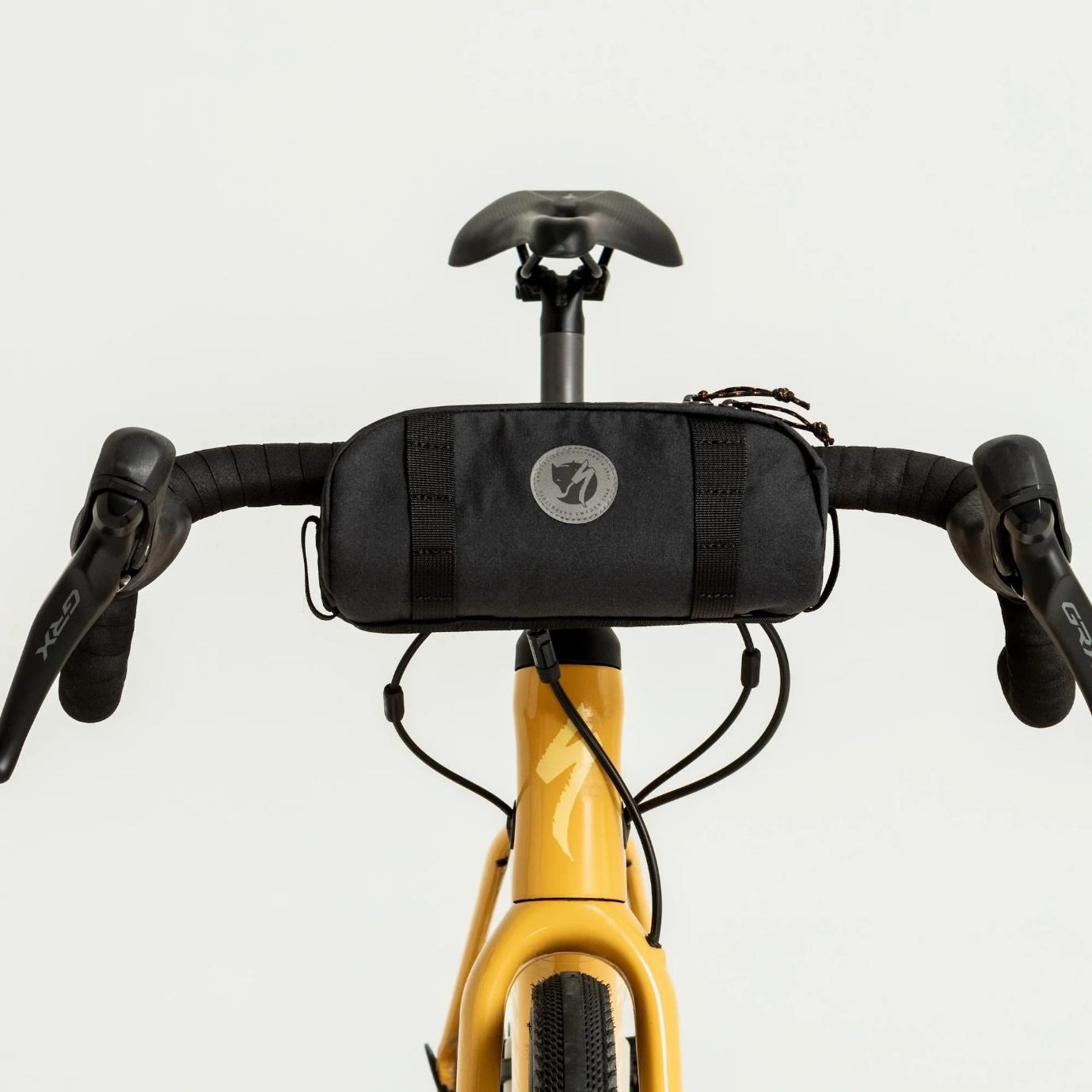
Having certain accessories will definitely improve your long-distance journey. These include a well-fitted helmet, cycling gloves for grip and protection, padded shorts for comfort, a Bicycle Handlebar Bag, a repair kit with spare tubes and tools, and front and rear lights for visibility during low-light conditions.
Training for a Long-Distance Ride
Preparing yourself for long-distance travelling is very important to avoid fatigue and injuries. You should create proper riding training before long-distance cycling. Training for riding depends on your goal, but you would prepare within 6 to 16 weeks for long-distance cycling. Break your training into 3 stages.
1st stage: ride for more than one or two hours during the first 2 to 3 weeks. Your goal is to get comfortable maintaining an upright riding position and a steady pace for prolonged periods.
2nd stage: During the next 2 to 3 weeks, gradually increase mileage and improve your endurance.
3rd stage: The final weeks of your training plan are the time to increase strength by introducing intervals. Sprint intervals make a huge difference in the quality of your training without adding extra time to the cycle.
Nutrition And Hydration for Long Distance Riding
For maintaining performance during the long ride, it is very important to keep proper nutrition and hydration. Consider the following tips for maintaining good nutrition and hydration:
1. Pre-Ride Food Planning and Hydration Strategy
Always take a balanced diet with proper carbohydrates, protein, and fats before going for long-distance riding. Hydrate well in the hours leading up to your ride, ensuring you are sufficiently hydrated before setting off.
2. On The Cycling Fuelling Option and Timing
During riding, take only those carbohydrates which are easily digestible, like energy gels, energy bars, or fruits, to refill glycogen stores and maintain energy levels. You can keep these things that protect well and make it easy to take in a bicycle frame bag. Don’t forget to hydrate effectively by drinking water or electrolyte-rich fluids throughout your ride.
3. Recovery Nutrition and Post-Ride Hydration
Make sure you get enough nutrition and hydration after completing long-distance pedalling. Within the first 30 minutes after completing your ride, take food that is rich in carbohydrates and protein to replenish your energy and aid muscle repair. Hydrate well after riding to replace any fluid lost during the ride.
Maintaining Fatigue and Preventing Injuries
It is an obvious thing that long-distance riding leads to fatigue and injuries. To reduce these injuries, the following points should be remembered.
- Listening to your body and recognising the signs of fatigue.
- Make sure to do the stretching and warm-up exercise.
- Be aware of common cycling injuries like knee pain, lower back pain, etc., and ensure their solution.
Conclusion
Long-distance cycling is a challenging task, but it gives you countless benefits, including physical, mental, and emotional. By knowing proper tips and guidelines, you will improve long riding. Remember to prioritise safety, listen to your body, and enjoy the journey as you explore new places and push your limits on two wheels.