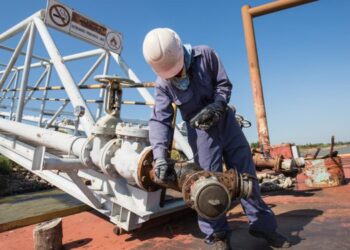





















































Homes and offices are not manufacturing facilities. Factories, warehouses and processing plants hum with heavy machines, chemicals, heat, steam and ceaseless activity. As a result the air we breathe and its humidity can change suddenly, secretly.
You never hear a clang, or a siren. They begin softly — it’s the air not circulating well, a growing humidity or unseen pollutants. They can add up over time and impact the health of workers, wear out equipment, diminish product quality and may even shut down a facility.

This is why no longer sufficient to check quality of air and humidity. It’s a commonsense and common sense approach to bring safer, more reliable industrial operations online
Understanding Environmental Conditions Inside Industrial Facilities
In an industrial environment, the surroundings are always changing. Machines release heat. Processes generate fumes. Water can be kicked in for cooling, cleaning or to make something. Doors open and close, admitting outdoor air and moisture.
Industrial space does not breathe like outdoor space. Pollutants and moisture trap into it, over the course of hours or days. And if they’re not being watched, then there’s no description of when something is going wrong.
By monitoring the environment, industries can be alerted to these unnoticeable changes and act before damage is done.
What Air Quality Means in Industrial Settings
Air quality refers to how clean or polluted the air is. In industrial environments, air quality can be affected by many sources, including:
- Dust from materials and production processes
- Gases released during manufacturing
- Chemical fumes from cleaning agents or raw materials
- Fine particles created by cutting, grinding, or welding
Even when these pollutants are not visible, they can still harm people and equipment.
An Air Quality Sensor helps detect these changes by continuously measuring air conditions. Instead of relying on occasional inspections, industries get a constant stream of data that reflects real conditions inside the facility.
Why Air Quality Monitoring Is Critical for Worker Health
Inside industrial premises Workers spend long hours in the factories. Over time, breathing dirty air every day can cause health problems that could lead to an early death.
Poor air quality is linked to:
- Breathing difficulties
- Headaches and dizziness
- Eye, nose, and throat irritation
- Reduced focus and productivity
- Long-term respiratory problems
The threat is that most pollutants in the air cannot be seen or smelled immediately. By the time individuals start feeling unwell, exposure may have already occurred.
Ongoing air monitoring will help identify unsafe conditions early on. When air quality levels begin to shift, action can be taken quickly — increasing ventilation, changing workflows or limiting exposure.
This forward thinking approach both prevents harm to workers and promotes a healthier workplace.
The Role of Air Quality Monitoring in Equipment Protection
It’s not just people who are affected by air quality. And it affects machines and systems as well.
When dust and debris get inside sensitive machinery it can lead to wear and overheating. The metal part can corrode due to chemical vapor exposure. This in turn results in higher maintenance, breakages and unplanned downtime over time.
Air conditions can be monitored so facility managers know how the environment is affecting their equipment. Clean air equals longer equipment life and less expensive repairs.
What Moisture Monitoring Means in Industrial Spaces

Moisture is often overlooked in industrial settings, but it plays a major role in environmental control.
Moisture comes from many sources:
- Water used in production or cleaning
- Steam from heating systems
- Cooling processes
- Outdoor humidity entering the building
When moisture levels rise, problems begin quietly.
A Moisture Sensor tracks humidity levels and detects unwanted moisture in the environment. This helps industries understand where and when moisture builds up.
How Excess Moisture Causes Industrial Problems
High moisture levels can create serious issues if left unchecked.
Some common problems include:
- Rust and corrosion on metal parts
- Electrical failures caused by condensation
- Mold growth on walls, ceilings, and stored goods
- Damage to packaging and raw materials
- Reduced quality in moisture-sensitive products
In a large number of cases the damage caused by moisture is only detected once one has suffered losses from it.
By keeping a watchful eye on moisture levels in real-time, industries will be able to act early. Small changes in ventilation or temperature can save you from extensive damage.
The Connection Between Air Quality and Moisture
There is also a very close relationship between air quality and humidity. They have more of an impact on each other than most people know.
It is harder for pollutants to wash out of the air when moisture levels are high. High amounts of particles and gases can be retained in soggy air, which combine to make the air feel heavy and unpleasant. Moisture also creates a breeding ground for molds and bacteria, which contribute to lower air quality.
Conversely, inadequate air circulation could cause moisture to accumulate more quickly.
By receiving real-time data in a combined air quality and moisture level environment, operators have an integrated view of the entire industrial asset. It finds underlying causes rather than treating symptoms.
Benefits of Continuous Monitoring in Industrial Settings
Modern monitoring systems offer real-time visibility into environmental conditions. This brings several key advantages.
Early Warning and Prevention
Sensors detect changes as they happen, allowing teams to act before problems grow.
Reduced Downtime
Preventing damage means fewer shutdowns and smoother operations.
Lower Maintenance Costs
Cleaner air and controlled moisture reduce wear on machines and infrastructure.
Improved Safety Compliance
Consistent monitoring supports safety standards and workplace regulations.
Better Working Conditions
Comfortable environments lead to healthier, more productive workers.
Where Air Quality and Moisture Monitoring Is Most Important
Manufacturing Plants
Production processes often release particles, fumes, and heat. Monitoring helps keep air clean and moisture under control.
Warehouses and Storage Areas
Stored goods can be damaged by moisture or contaminated air. Sensors help protect inventory.
Power Plants and Utility Facilities
Electrical systems are sensitive to moisture. Air and humidity monitoring reduces risks.
Chemical and Processing Industries
Air pollutants and condensation can be dangerous. Continuous monitoring improves safety.
Smart Industrial Buildings
Modern facilities use sensor data to automate ventilation and climate control.
How Sensor Technology Has Improved Industrial Monitoring
In the past, monitoring relied on manual checks and lab testing. This was slow and limited.
Today’s sensors offer:
- Continuous data collection
- Remote access to readings
- Automated alerts when conditions change
- Easy integration with control systems
This shift allows industries to move from reactive fixes to preventive management.
Choosing the Right Monitoring Strategy
Every industrial site is different. The right monitoring approach depends on:
- Type of industry
- Size of the facility
- Environmental risks involved
- Sensitivity of equipment and products
Sensor placement is also important. Installing sensors in the right locations ensures accurate data and better results.
Regular maintenance and calibration keep sensors reliable over time.
Long-Term Value of Environmental Monitoring
Monitoring air quality and moisture is not just about avoiding problems today. It’s an investment in the future.
Over time, collected data helps industries:
- Understand long-term trends
- Improve process efficiency
- Plan maintenance more effectively
- Support sustainability goals
A stable environment leads to stable operations.
Conclusion: Smarter Monitoring for Safer Industrial Environments
Industrial settings are complex and demanding. Air quality and moisture levels change constantly, often without clear warning signs.
By using tools like an Air Quality Sensor and a Moisture Sensor, industries gain visibility into hidden environmental risks. This allows them to protect workers, equipment, and production processes more effectively.
Smarter monitoring leads to safer workplaces, fewer disruptions, and stronger industrial performance. In today’s fast-moving industrial world, understanding the environment is no longer optional — it is essential.