
















































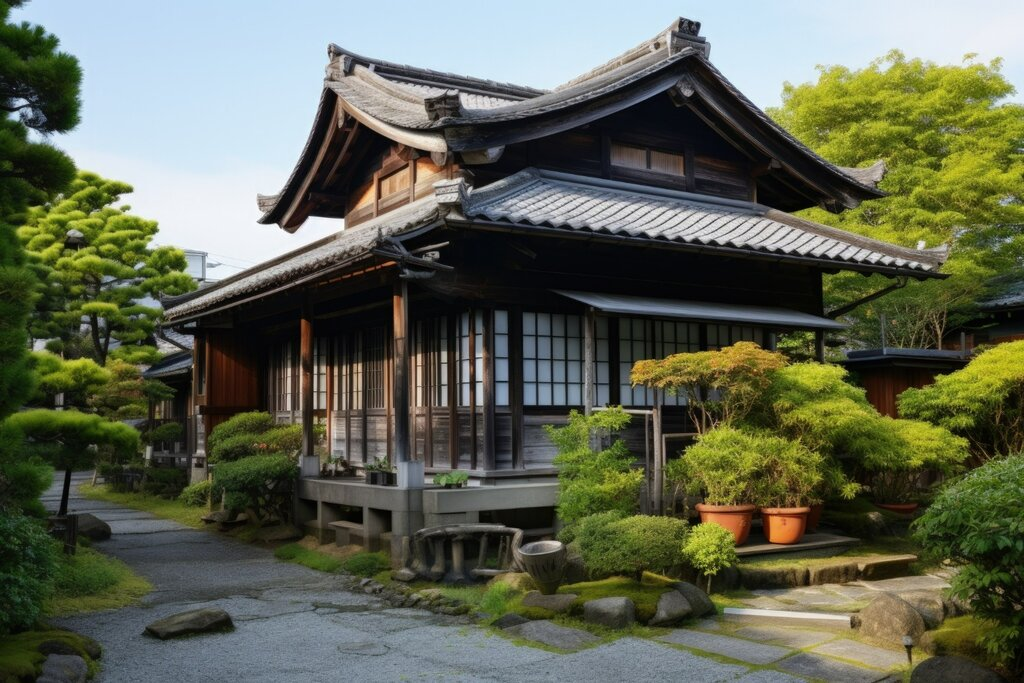
Purchasing property in Japan represents more than acquiring square meters and title deeds. For thousands of international buyers each year, it’s an entry point into a culture that prizes craftsmanship, community bonds, and a different pace of existence. It’s about claiming space in a society where attention to detail and long-term thinking aren’t aspirational concepts but daily practice. The practical benefits—appreciation potential, rental yields, residency pathways—matter, certainly. But beneath the spreadsheets and legal documents lies something more profound: the chance to anchor yourself in a place where ancient traditions inform modern life, where neighborhoods function as extended families, and where the very concept of ownership carries different weight.
The Psychology Behind Japan’s Growing Appeal to International Property Buyers
What drives someone to purchase property thousands of miles from their birthplace? Surface answers point to favorable exchange rates, aging population demographics creating opportunities, or Japan’s reputation for safe streets and efficient systems. Dig deeper, and you’ll find something more visceral: a hunger for authenticity in an increasingly homogenized world.


Japan offers what many Western markets have lost—neighborhoods where local shops still outnumber chains, where architectural heritage remains protected, where community festivals bring together generations. For many international buyers, the journey of purchasing property in Japan becomes less about securing an investment vehicle and more about buying into a social ecosystem that values continuity over constant disruption. Research from Tokyo’s Kantei real estate institute shows that international property buyers increasingly cite cultural connection and lifestyle transformation as primary motivations, often ranking even higher than pure investment returns.
The Transformation From Tourist to Stakeholder
There’s a specific moment many buyers describe: when Japan stops being somewhere you visit and becomes somewhere you belong. It happens when you know which train car to board for the smoothest transfer, when you recognize the postal worker’s greeting, when seasonal changes mean something beyond weather. Property ownership accelerates this shift dramatically.
Consider the experience of Marcus, a software developer from Melbourne who purchased a renovated machiya in Osaka’s Tennoji ward. “For years, I came as a tourist, staying in hotels, eating at recommended restaurants, capturing the same photos everyone takes,” he explains. “Owning property changed my relationship with the city completely. Suddenly I cared about municipal elections, neighborhood revitalization plans, the preservation of local temples. I had skin in the game.” His modest property in a traditional neighborhood has appreciated steadily while providing him something more valuable: legitimate membership in a community that prizes long-term commitment over transient presence.
Breaking Through the Perception Barrier
Many potential buyers hesitate because they’ve internalized outdated narratives: that Japan’s property market is impenetrable to foreigners, that prices rival the world’s most expensive cities uniformly, that bureaucracy makes transactions impossibly complex. The reality reveals a different landscape entirely.
Japan’s property market operates with remarkable transparency. All transactions are public record, online listing services provide detailed floor plans and neighborhood data, and the legal framework specifically protects buyers through standardized contracts and mandatory disclosure requirements. Unlike many Western markets where bidding wars and opaque negotiations dominate, Japanese property purchases follow predictable patterns with limited room for manipulation. The Japan Real Estate Institute reports that transaction clarity and legal protection rank among the highest globally, with foreigners enjoying identical property rights to Japanese citizens—no restrictions, no special permits required for ownership.
Navigating the Practical Realities of Japanese Property Investment
The philosophical appeal matters, but so do mechanics. Understanding Japan’s unique property ecosystem transforms abstract interest into actionable strategy.

Price Points That Challenge Assumptions
Tokyo’s reputation as expensive blinds many to broader market realities. While central Tokyo districts like Minato and Shibuya command premium prices, the metropolitan area contains numerous residential neighborhoods where quality properties trade at significantly lower rates. A comfortable two-bedroom apartment in established residential districts typically costs substantially less than comparable properties in Sydney, Vancouver, or London—often representing half or even a third of the investment required in those cities.
Regional cities offer even more compelling value propositions. Osaka, Japan’s second-largest metropolitan area with substantial infrastructure and cultural amenities, provides properties at notably lower price points than Tokyo while maintaining similar quality of life standards. Fukuoka, consistently ranked among Asia’s most livable cities, features modern apartments at accessible prices for international buyers. Even Kyoto, despite its cultural prominence and tourist appeal, offers properties at meaningful discounts to Tokyo, with well-located older homes sometimes available at particularly attractive entry points—requiring renovation investment but providing authentic traditional architecture increasingly rare elsewhere.
The Akiya Phenomenon: Abandoned Properties as Transformation Catalysts
Japan’s demographic shift has created a category of opportunity that barely exists elsewhere: akiya, or abandoned homes. Current estimates suggest millions of properties stand vacant nationwide, many offered for minimal sums or even free to buyers willing to shoulder renovation responsibilities and commit to community involvement.
This isn’t about bargain hunting—it’s about participating in Japan’s rural revitalization movement. Local governments actively court buyers who’ll breathe life into vacant properties, often providing renovation subsidies, tax incentives, and integration support. The trade-off? These properties exist in smaller towns and rural areas where public transportation runs less frequently, where English speakers are uncommon, where you’ll need to genuinely participate in local life. For those seeking authentic immersion rather than expatriate bubble existence, akiya represent profound transformation opportunities at accessible price points.
Understanding Depreciation and Building Value Differently
Japanese property market mechanics operate on principles that initially perplex Western buyers. Buildings depreciate significantly over several decades in market assessments, with land retaining or appreciating while structures lose value. This reflects construction practices, earthquake building codes that evolve regularly, and cultural preferences for newer construction.
Rather than weakness, this creates strategic advantages. Lower building valuations mean lower property taxes throughout ownership. Depreciation provides tax benefits for income-generating properties. And Tokyo Metropolitan Government data shows that well-located land consistently appreciates even when buildings depreciate, meaning total property value often rises over time despite building value decline. Properties near expanding train lines, planned development zones, or gentrifying neighborhoods can see land values increase substantially over medium-term holding periods, overwhelming building depreciation. Understanding Japan’s property tax structure for foreign owners becomes essential when calculating long-term holding costs and potential returns.
Building Your Entry Strategy: From Interest to Ownership
The gulf between consideration and completion spans practical, financial, and psychological dimensions. Successful buyers approach Japanese property investment as a multi-phase transformation journey.
Financial Architecture and Lending Realities
Foreign buyers typically approach Japanese property purchases through three financial pathways: cash purchases (representing a significant portion of foreign transactions), financing through international banks with Japanese branches, or creative arrangements involving home country borrowing secured against existing assets.
Japanese banks traditionally avoid lending to non-residents, though several institutions now offer mortgages to foreign buyers with Japanese work visas or permanent residency. SMBC Prestia, Mizuho, and Sumitomo Mitsui Banking Corporation maintain foreign client programs requiring substantial down payments and demonstrable Japanese income sources. Interest rates remain considerably lower than many Western markets for qualified borrowers—dramatically so compared to countries experiencing higher inflation—but approval processes demand extensive documentation including Japanese tax returns, employment verification, and often require properties above certain threshold values.
Cash buyers sidestep these complexities while gaining negotiating leverage, as sellers prefer straightforward transactions. The stable yen exchange rate relative to many currencies in recent years has made cash purchases increasingly viable for buyers from strong-currency nations.
Residency Pathways and Long-Term Planning
Property ownership itself doesn’t confer residency rights—Japan maintains clear distinctions between property ownership and immigration status. However, property ownership strengthens certain visa applications and creates foundations for extended stays.
Business Manager visas allow foreigners who establish Japanese companies (including property management companies) to obtain renewable residency permits. This pathway requires demonstrable business plans and adequate capitalization, but purchasing rental properties provides both qualifying business activity and capital investment. Alternatively, investors maintaining properties while visiting on tourist visas use property ownership to build connections and explore long-term possibilities before committing to permanent moves.
The Specified Skilled Worker program and Long-Term Resident status create additional pathways for those willing to work in Japan, with property ownership providing stability that strengthens applications.
The Cultural Contract: What Japan Expects From Property Owners
Ownership brings responsibilities that extend beyond mortgage payments and property taxes. Japanese neighborhoods function through unwritten social contracts that prioritize collective harmony over individual autonomy.
Property owners participate in neighborhood associations (chonaikai), contribute to local festivals, maintain property aesthetics to neighborhood standards, and manage garbage disposal according to complex sorting requirements that can vary by district. Neighbors notice neglect, overgrown gardens, improper garbage management, excessive noise. These aren’t optional niceties but essential membership costs for community acceptance.
For those embracing rather than resisting these expectations, the rewards manifest daily: neighbors who watch your property during absences, community networks that provide support during emergencies, invitations to local gatherings that build genuine belonging. Japan’s social fabric remains tightly woven because residents maintain it through countless small actions—property ownership makes you a thread in that fabric.
Final Thoughts
Purchasing property in Japan represents a doorway rather than a destination. The legal transaction takes weeks; the transformation of becoming someone who belongs spans years. Success depends less on finding the perfect property at the optimal price than on approaching ownership with appropriate reverence for the cultural ecosystem you’re joining, realistic understanding of practical requirements, and genuine commitment to long-term presence rather than extractive investment mentality.
The question isn’t whether Japan’s property market offers opportunities—it manifestly does. The question is whether you’re prepared for what ownership truly means: not just holding title to physical space, but accepting responsibility for preserving and enhancing the communities that make those spaces meaningful.