


















































Product renders and product animation are both visual tools used to present and explain products before or alongside physical production. They are often grouped together, but they serve different purposes and are suited to different stages of product development, marketing and communication. Understanding the difference helps brands choose the right approach for their goals.
What Are Product Renders
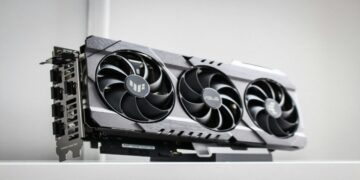
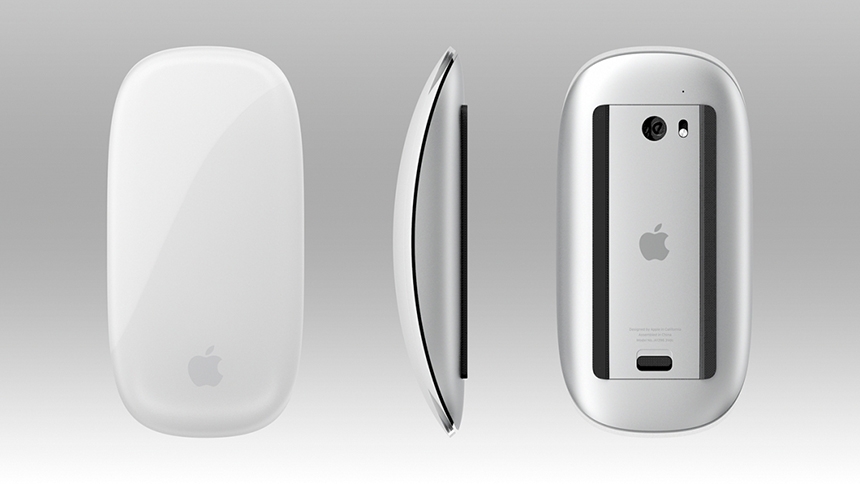
Product renders are high quality, photorealistic still images created from a three dimensional digital model. They show what a product looks like, focusing on form, materials, colour and finish. Renders are designed to look as close to a real photograph as possible, even when the product does not yet physically exist.


Renders are commonly used for websites, catalogues, packaging mock ups, investor decks and internal approvals. They allow stakeholders to see the product clearly and consistently without the need for a physical prototype or photography shoot.
Because renders are static, they present a single moment in time. Each image is carefully composed to highlight the product from a specific angle or in a specific context.
What Is Product Animation?
Product animation uses the same three dimensional models but adds motion and sequence. Instead of showing a single view, animation shows how a product behaves over time. This can include movement, assembly, interaction, transformation or internal mechanisms.
Animation is particularly useful when a product has functional complexity. It can demonstrate how parts move, how something is used or how it solves a problem in real world scenarios. By introducing time and motion, animation provides a deeper level of explanation than static imagery.
Product animation is often used in crowdfunding campaigns, product launches, explainer videos, investor presentations and digital marketing where engagement and clarity are essential.
The Core Difference Between Renders And Animation
The main difference lies in what they communicate. Product renders show appearance. Product animation shows behaviour.
Renders answer questions such as what does it look like, what colour is it and what is the finish. Animation answers questions such as how does it work, how do I use it and what makes it different.
Neither is inherently better. Each serves a different role depending on what needs to be communicated.
When Product Renders Are The Better Choice
Product renders are ideal when visual polish is the priority. They work well for showcasing aesthetics, materials and brand presentation. For products that are simple, familiar or visually driven, renders may be sufficient to communicate value.
They are also useful when budgets or timelines are tight. Creating a set of still renders is generally faster and more cost effective than producing a full animation. Renders can also be updated or reused easily across multiple platforms.
For retail listings, packaging visuals and early concept reviews, renders often provide everything that is needed.
When Product Animation Is The Better Choice
Product animation is more effective when explanation matters. If a product has moving parts, a unique mechanism or a new way of being used, animation removes uncertainty and confusion.
Animation is particularly powerful when a product does not yet exist physically. It helps people visualise ownership and understand functionality without relying on imagination or technical language.
For crowdfunding, investor communication and education focused marketing, animation often delivers higher engagement and stronger understanding than static images alone.
How Renders And Animation Work Together
In many cases, the most effective approach is to use both. Renders and animation are not mutually exclusive, they are complementary.
Renders provide sharp, detailed visuals that can be used across marketing materials and documentation. Animation provides narrative and explanation. Together, they create a complete visual toolkit that covers both appearance and function.
Using a combination allows brands to tailor communication to different audiences and stages, from early internal discussions to public facing campaigns.
Choosing The Right Tool
The decision between product renders and product animation should be guided by the product itself and the communication goal. If the goal is to showcase how something looks, renders are often enough. If the goal is to explain how something works or why it is different, animation adds significant value.
Understanding this distinction helps teams invest in visuals that support clearer communication, better engagement and stronger decision making at every stage of product development and launch.