

















































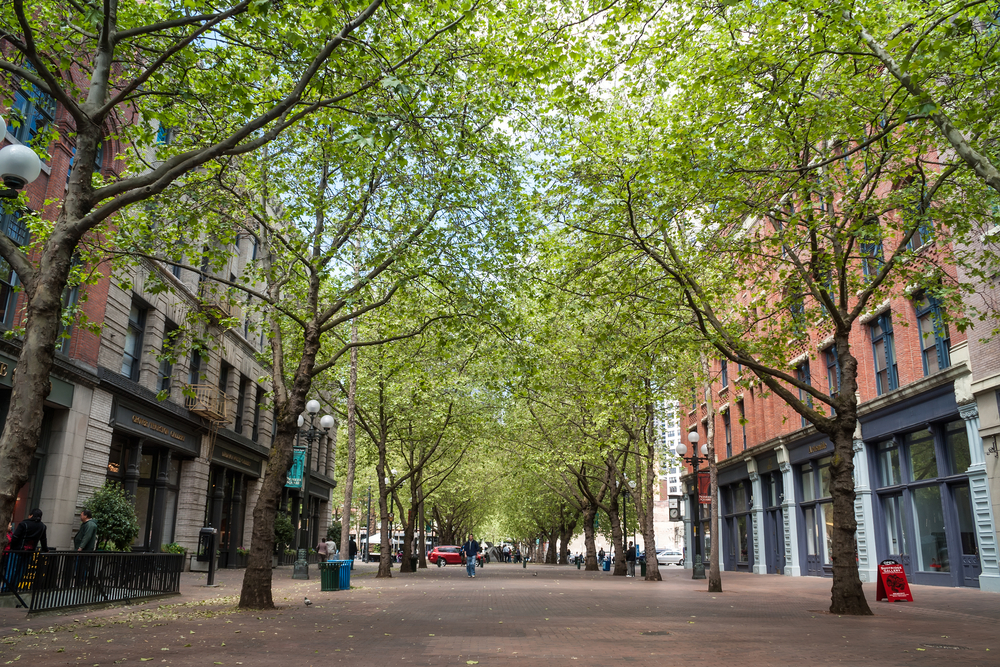
Across the UK, city skylines are changing and not just because of construction. Britain’s urban trees, once seen as reliable features of parks and neighbourhood streets, are now under increasing strain from climate change. From Glasgow to London, homeowners and councils are noticing unusual dieback, storm-damaged branches, heat-stressed trees, and shifting species behaviour that wasn’t common even a decade ago.
Urban trees provide immense value, cleaner air, noise reduction, flood prevention, biodiversity support, and cooler microclimates. But as weather patterns grow more unpredictable, the trees we rely on need more attention than ever before.


Here’s a closer look at what’s changing, why it matters, and what UK homeowners should be doing now to protect their landscapes.
Rising Temperatures Are Stressing Traditional British Tree Species
Many of Britain’s native and long-established species, such as beech, birch, and Scots pine, were not built for prolonged heatwaves or periods of water scarcity. The Met Office reports that the UK’s average annual temperature has climbed steadily, with the last decade being the warmest on record.
What this means for urban trees:
- Heat stress leads to leaf scorch and early leaf drop
- Reduced resilience to pests and diseases
- Increased vulnerability due to shallow or compacted city soils
Urban environments already create “heat islands,” where temperatures remain higher due to concrete and traffic. Climate change amplifies this effect, putting additional pressure on trees that evolved for cooler, wetter conditions.
Storm Frequency and Intensity Are Increasing Tree Damage
The UK has experienced more severe storms in recent years, Arwen, Eunice, Babet, each causing fallen trees, broken limbs, and property damage.
For urban areas, this is especially concerning.
Why storms hit city trees harder:
- Restricted rooting space limits stability
- Older or poorly maintained trees fail more easily
- High winds catch dense canopies, causing splits
- Saturated soils can’t anchor roots during storms
Homeowners are increasingly dealing with trees leaning dangerously, cracking at the base, or shedding heavy branches after intense weather events.
New Pests and Diseases Are Spreading in a Warmer Climate
Several tree diseases like ash dieback and oak processionary moth have accelerated due to milder winters, which allow pests to survive and spread.
Emerging risks include:
- Ash dieback: killing ash trees across the UK
- Oak processionary moth: dangerous to both trees and humans
- Phytophthora root rot: thriving in warmer, wetter soils
- Elm zigzag sawfly: weakening elms
Urban tree diversity is now more crucial than ever, as relying heavily on one species (as many housing developments did decades ago) increases vulnerability.
Drought Followed by Flooding Is Creating Root Instability
Climate change is not simply making the UK warmer—it’s making weather patterns more erratic.
Cities are seeing:
- Drought periods followed by heavy rainfall
- Waterlogged ground after months of dryness
- Cracking clay soils that move tree roots
- Rapid swings between extreme conditions
This cycle weakens root systems, making trees more likely to fall—even without strong winds.
What UK Homeowners Should Be Doing Now
Urban trees can survive the new climate challenges—if they are managed proactively. Homeowners play a major role in the long-term resilience of Britain’s urban canopy.
Here’s what you can do.
1. Schedule Regular Tree Health Inspections
Tree issues aren’t always visible until the damage is severe. Having trees inspected annually helps identify early problems like:
- Internal decay
- Weak unions
- Pest infestations
- Structural instability
A qualified arborist can also recommend pruning, bracing, or removal if necessary.
To stay safe and compliant, homeowners in Scotland often turn to professional tree surgeons in Glasgow, who understand local climate patterns and tree species behaviour. This ensures safe, long-term maintenance as weather extremes continue to intensify.
2. Choose Climate-Resilient Species When Planting
Not all trees are equally suited to the future UK climate. When planting or replacing trees, consider species that handle drought, heat, and storms better.
Good climate-resilient options include:
- Field maple
- Hornbeam
- Silver lime
- Small-leaved lime
- Common alder
- Certain Mediterranean species (in moderation)
Diversifying your garden’s canopy reduces the risk of mass dieback.
3. Improve Soil Conditions Around Trees
Urban soils are often compacted, dry, and lacking nutrients. Healthy soil = stronger, more climate-resilient trees.
Simple improvements:
- Mulching to retain moisture
- Adding organic matter annually
- Aerating compacted areas
- Avoiding heavy foot traffic near roots
Mulch is particularly effective, it cools the soil in summer and protects it in storms.
4. Prune Proactively, Not Reactively
Climate-change pruning is different from traditional aesthetic pruning. The goal is to reduce risk, improve airflow, and strengthen the tree structure.
Strategic pruning helps:
- Reduce branch failure in storms
- Improve health during drought
- Allow sunlight to penetrate
- Shape the tree to withstand wind load
Professional pruning also helps preserve heritage trees that have adapted to their location over decades.
5. Address Storm Damage Immediately
After a major storm, even a slightly leaning tree or partially split branch can become a hazard. Homeowners should act quickly to prevent injuries or property damage.
Signs you need urgent assessment:
- Sudden leaning
- Cracks around the base
- Uprooted or exposed roots
- Hanging or split branches
- Soil lifting on one side of the tree
Ignoring these signs increases the chance of complete tree failure during the next storm.
6. Water Young Trees During Heatwaves
Young or newly planted trees suffer the most during heat spikes. Regular deep watering (not shallow watering) helps them establish roots and survive prolonged dry spells.
In general:
- Water deeply once or twice a week
- Apply mulch to reduce evaporation
- Avoid watering the trunk directly
This small habit can drastically improve long-term tree survival.
Protecting Britain’s Urban Trees Starts at Home
Climate change isn’t a distant concept; it’s already reshaping the gardens, parks, and streets around us. Urban trees remain one of the UK’s most valuable natural assets, but they are under growing pressure from rising temperatures, storms, new pests, and unpredictable conditions.
Homeowners who take proactive steps today regular inspections, proper pruning, climate-resilient planting, and soil care play a vital role in preserving Britain’s urban canopy for the next generation.
With expert guidance and timely maintenance, our city trees can continue thriving despite the challenges ahead.