





















![5 Best CFD Brokers for Beginners [UK, 2026]](https://todaynews.co.uk/wp-content/uploads/2026/03/Invest-360x180.jpg)




























Choosing a security company is a decision that most businesses make too quickly. A phone call, a quote, a contract and an operative turns up on site who has never been properly briefed, whose licence the client has never verified, and whose company has no mechanism for replacing them when they fail to show up.
The consequences of choosing the wrong security provider range from the inconvenient missed shifts, poor reporting, unresponsive management, to the genuinely serious unvetted staff on secure sites, insurance compliance failures, and legal liability when an incident occurs that a properly briefed operative would have prevented. Vetting a security company before signing a contract takes less time than dealing with the fallout from choosing the wrong one.


1. Verify SIA Approved Contractor Scheme Status
The SIA Approved Contractor Scheme (ACS) is the most important quality indicator for a UK security company. ACS-approved companies have passed an independent assessment of their management systems, staff vetting procedures, training standards, and operational quality. The assessment requires annual renewal and can be revoked if standards drop.
Use the SIA’s official ACS register to confirm that the company holds current ACS approval. This single check eliminates a significant proportion of the lower-quality providers in the market. A company that is not ACS-approved is not subject to independent quality oversight beyond basic legal licensing requirements.
2. Confirm Individual Operative Licensing
Every operative working on your site must hold a current, valid SIA licence for the specific role they are performing. This is a legal requirement. Use the SIA’s online licence checker to verify the licence number, expiry date, and licence type for every operative before they step onto your site.
A reputable company provides licence numbers without being asked. If a company is slow to provide them, asks why you need them, or provides numbers that do not verify correctly, that is a definitive signal about their operational standards.
3. Request and Check References
References from comparable clients are the most reliable indicator of a security company’s actual operational performance. Request 3 references from clients in the same sector and at a similar scale to your own operation. Contact those references by phone rather than email. A written reference provides little useful information about day-to-day performance, shift reliability, or management responsiveness.
Ask 4 specific questions: how often do guards fail to show up or arrive late, how quickly does management respond when a problem is raised, what is the reporting quality, and would you renew the contract? The answers tell you more about a security company’s operational standards than any amount of marketing material.
4. Examine the Vetting and Recruitment Process
A security company’s vetting process determines the quality and trustworthiness of the people they place on your site. A thorough pre-employment vetting process includes a 5-year employment history check with gaps accounted for, an enhanced DBS disclosure for the specific role type, right-to-work documentation, address history verification, and at least 2 professional references from previous employers.
Ask the company to describe their vetting process in writing. Ask specifically whether they vet subcontracted staff to the same standard as directly employed staff. A company that uses subcontractors without independently vetting them is not in control of who is working on your site.
5. Review the Contract Before Signing
Security contracts contain clauses that can become costly if overlooked. The 5 most important areas to review before signing are: the minimum contract term and the notice period required to terminate, price escalation clauses and when they can be triggered, the substitution policy when an assigned operative is unavailable, the liability cap and insurance provisions, and the SLA commitments for incident reporting and management response times.
If a company is unwilling to discuss any of these areas in detail or presents the contract as non-negotiable, that tells you something important about how they will respond when a problem arises during the contract.
6. Assess Their Reporting and Communication Systems
A security company that cannot tell you what happened on your site last night is not managing your security. They are occupying a position on your site. Reporting quality is one of the most reliable indicators of a security company’s overall operational standard.

Before signing, ask to see a sample daily activity report and a sample incident report. For businesses that want to compare how specialist providers structure their reporting and accountability systems before making a decision, visit https://www.alphasecurity.services/, which provides a clear overview of how a professionally run security operation documents and communicates its performance, the reporting formats, the response time commitments, and the account management structure that should be standard on every contract.
The Standard You Should Expect
A security company that passes all 6 of these checks is not a premium option it is the baseline. ACS approval, verified SIA licensing, thorough vetting, strong references, a clear contract, and transparent reporting are the minimum standards that any professional security provider should meet without difficulty.
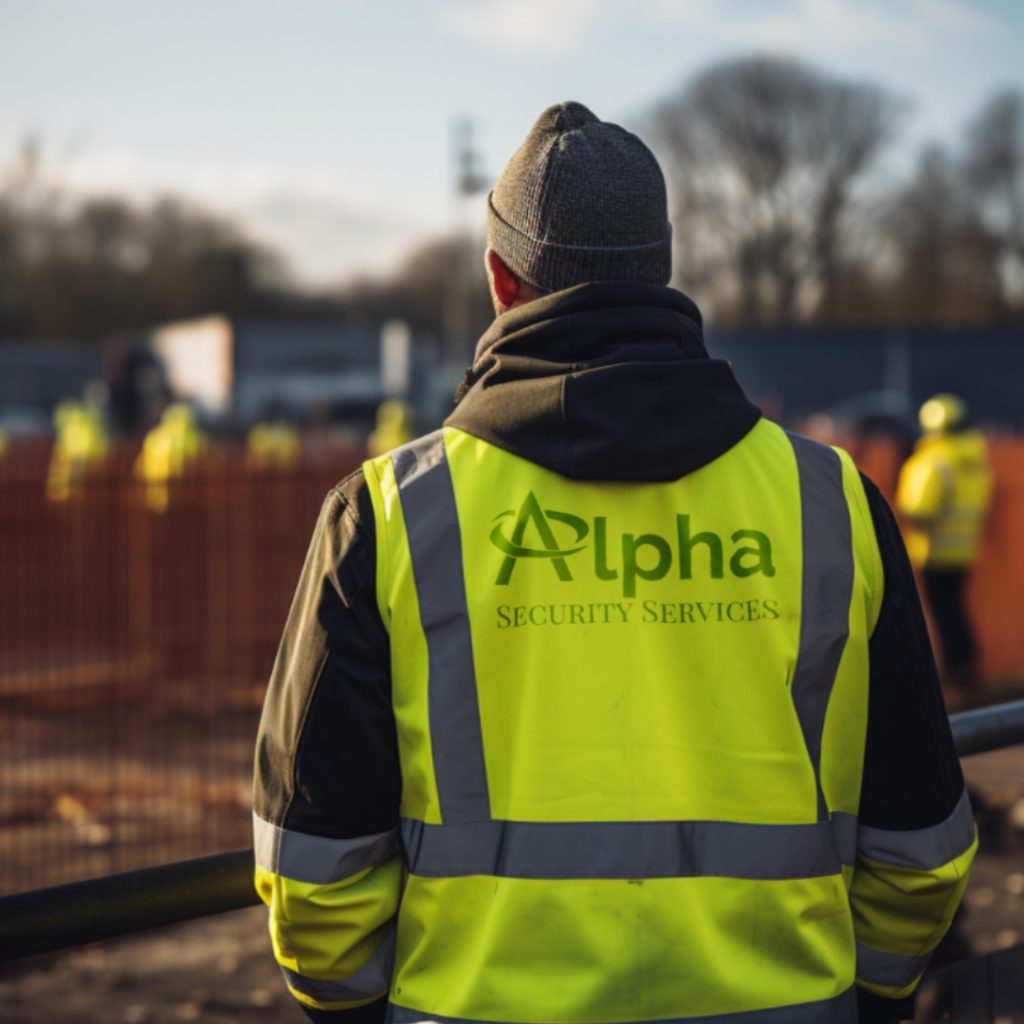
Alpha Security Services holds current SIA ACS approval, verifies all operative licences before deployment, conducts full 5-point vetting on every member of staff, and provides clients with digital daily activity reports and real-time incident notifications as standard on every contract. The account management structure means there is always a named, senior contact available when a client needs to raise a concern.