















































Staircases are a common site of accidents in the home, with many injuries occurring when basic safety standards are overlooked. Homeowners may underestimate the risks posed by minor inconsistencies or overlooked details in stair design and maintenance. Understanding essential safety concepts and recognising key problem areas can help reduce hazards and support safe movement within the home.
Staircases are central features in many homes, yet the basics of safe stair design are not always well understood. Whether you are planning home improvements, tackling repairs, or evaluating a newly purchased property, knowing which factors contribute to a safe staircase is important. Even relatively modest changes to staircase parts, materials, or dimensions may introduce risks if the updates do not follow established requirements. Keeping everyone safe and mobile at home depends on being aware of specific features, potential hazards, and effective maintenance practices.


Risk areas that lead to avoidable incidents
Many accidents in the home stem from a combination of design flaws and gradual wear, rather than a single major failure. Frequent issues include inconsistent step heights, narrow treads, and inadequate handrails, where a person’s footing can be affected by unpredictable dimensions or a lack of reliable support. Slippery surfaces, loose carpeting, and poor lighting can also increase the risk of slips or missteps, particularly for children and older adults. Renovations or minor repairs may overlook these areas, and decorative changes can sometimes conceal underlying vulnerabilities.
Ensuring that each stair and landing follows basic dimensional guidance is an effective way to minimise hazards. Standards usually aim for a uniform rise—vertical height from one step to the next—and a consistent going—the depth of each tread—because small differences may disrupt the natural walking rhythm and become trip points. Falls are more likely if steps vary unexpectedly, handrails are poorly positioned, or obstacles block access routes. By paying close attention to these proven risk factors, you can help protect all household members, regardless of age or mobility level.
Essential concepts for staircase safety explained
One important aspect of safer stairs is consistent geometry, where each step is as close in size and position as possible to its neighbours. This allows a person to anticipate movement without looking at their feet, which is helpful when carrying objects or assisting others. Another key concept is the walking line, or the usual path followed by the average person, which should remain free of interruptions and protected from open edges. Where staircases change direction or include winders, careful design helps ensure these changes do not compromise stability or require awkward turning movements.
Handrails play an important role in safety, particularly for those who need support while moving up or down stairs. Properly positioned rails provide a secure grip along the entire flight, including landings or turns, enabling users to regain their balance if they stumble. A solid balustrade or guard can help prevent falls from open edges, with guidance addressing height, spacing, and strength. In many homes, safety depends on whether rails, treads, and barriers stay functional and safe through everyday use. Even seemingly minor defects in these elements may increase the risk of accidents.
Areas every homeowner should assess regularly
Inspecting the dimensions and consistency of stairs can be a regular part of home maintenance, especially after DIY projects or if there is visible movement in the building. Even minor settlement or repairs can affect the alignment of individual steps, causing uneven rises and goings that interfere with predictability. Landings at the top and bottom should be wide and level enough to allow a person to pause safely and turn, and any low-hanging feature should provide enough headroom clearance for all users. Maintaining this clearance helps reduce the risk of head injuries that could lead to falls.
Handrails and guarding are also important to check regularly, as they can loosen or become damaged over time. Loose rails, missing spindles, or worn finishes may reduce safety and fall short of recommended standards. Good lighting, slip-resistant finishes, and keeping access routes free from clutter are all helpful in maintaining core safety features. Staircase parts must work together to ensure safe movement between floors, even as occupants’ needs change over time. Maintenance and frequent assessment can help address potential hazards before they become significant risks.
Factors that influence safe design choices at home
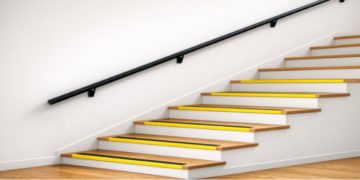
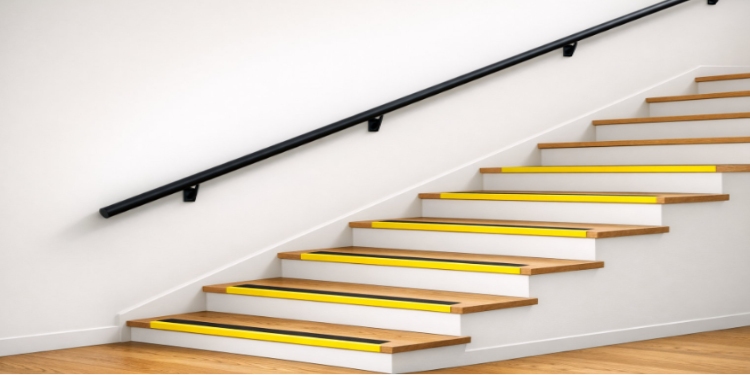
Practical safety considerations differ based on the needs of people living in the home. For example, families with young children may require extra guarding or narrower gaps between balusters to reduce the risk of climbing and falls. Older adults and anyone with limited mobility may benefit from additional, well-secured handrails and higher contrast on tread edges to support depth perception and improve steadiness. Households with pets may choose treads that improve paw grip or install guarding that stops animals from passing through gaps. Homes with heavy foot traffic can benefit from more robust materials and finishes.
As needs and lifestyles change, what counts as a safe staircase may also change. Upgrading finishes or changing the look of the stairs should not come at the expense of correct step proportions, surface grip, or visibility. Building regulations set minimum standards but allow room for improvement based on individual circumstances. It is sensible to consult recognised guidance before changing or installing features, prioritising practical safety over visual trends. Ongoing attention ensures that staircase parts continue to support household members, allowing secure and confident movement between floors.

David Prior
David Prior is the editor of Today News, responsible for the overall editorial strategy. He is an NCTJ-qualified journalist with over 20 years’ experience, and is also editor of the award-winning hyperlocal news title Altrincham Today. His LinkedIn profile is here.