![Best ReactJS Companies in Poland for Scale-Ups [2026 Review]](https://todaynews.co.uk/wp-content/uploads/2026/04/Man-Data-Coding-360x180.jpg)






















![5 Best CFD Brokers for Beginners [UK, 2026]](https://todaynews.co.uk/wp-content/uploads/2026/03/Invest-360x180.jpg)




























Interior design in the UK has evolved significantly over the past decade. Homes are no longer designed purely for practicality; they now reflect lifestyle, personality, and aesthetic preferences. From open-plan layouts to carefully curated décor, homeowners are paying closer attention to every detail that shapes the look and feel of their spaces.
This shift toward design-led homes has influenced more than furniture or colour schemes. Functional elements such as lighting, storage, and heating are also becoming part of the overall design narrative. As a result, homeowners, interior designers, and property developers are rethinking traditional fixtures and opting for options that complement modern interiors while maintaining everyday functionality.


The Growing Influence of Interior Design on Home Features
Interior design trends often begin with visual inspiration. Platforms such as design magazines, social media, and renovation programmes encourage homeowners to pay closer attention to elements that were previously overlooked.
Heating is a good example. Traditional radiators were historically viewed as purely functional. They were typically hidden behind furniture or placed discreetly in corners. In contrast, modern design thinking treats every element of a room as part of the visual composition.
As a result, designers increasingly consider how heating fixtures contribute to the overall look of a space. Materials, colours, shapes, and positioning all influence how heating systems integrate into a room’s layout. Rather than concealing them, homeowners are choosing heating options that align with their décor.
Why Style Now Matters as Much as Function
Modern homes often prioritise cohesive design. From kitchens to living rooms, homeowners want every fixture to work visually with the rest of the space.
Heating products are no exception. Consumers now expect practical home systems to complement modern interiors. This means radiators must balance efficient heating performance with an appearance that suits contemporary décor.
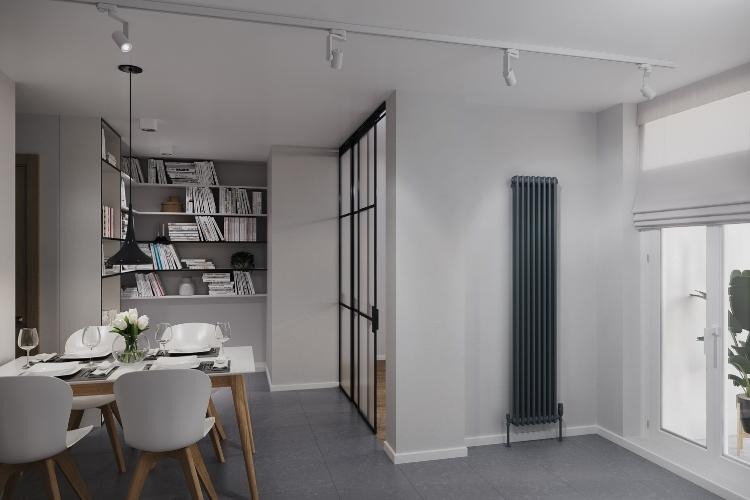
Interior designers often recommend heating fixtures that match the colour palette and architectural style of a home. For example, darker finishes have gained popularity in modern interiors because they contrast well with light walls and neutral furniture.
Manufacturers such as UK Radiators have responded to this demand by offering design-focused heating options. Many homeowners choose ukradiators.com for modern heating solutions that complement interior design while still serving their core purpose.
Popular Interior Design Styles Influencing Heating Choices
Several interior styles currently shaping UK homes have influenced how people view heating fixtures. Minimalist interiors, for instance, favour clean lines and uncluttered spaces. In these environments, bulky or outdated radiators can disrupt the visual flow of a room. Slimmer designs or vertically oriented radiators allow homeowners to maintain simplicity while still heating the space effectively.
Industrial-inspired interiors also influence heating preferences. Exposed materials such as brick, metal, and concrete have become common in loft-style homes and urban apartments. Radiators with visible columns or darker finishes often complement this style by reinforcing the industrial aesthetic.
Meanwhile, Scandinavian-inspired interiors prioritise warmth and comfort while maintaining a simple, modern look. In these spaces, heating fixtures that blend subtle design with reliable functionality fit naturally into the overall atmosphere.
Across these design styles, the common theme is that homeowners want heating fixtures that contribute to the visual harmony of their interiors.
How Renovation Culture Is Shaping Consumer Expectations
Home renovation projects have grown increasingly popular across the UK. Many homeowners are choosing to modernise existing properties rather than move, which means updating everything from flooring to heating systems.
During renovations, people often take the opportunity to reassess older fixtures. Heating systems installed years ago may no longer align with current design preferences or room layouts.
Interior designers frequently recommend replacing older radiators with options that complement updated interiors. This is particularly common when homeowners redesign living areas, kitchens, or open-plan spaces where heating fixtures become more visible.
In these situations, consumers choose heating products with the same attention to detail as they give to lighting or furniture. A radiator’s colour, size, and structure can affect how it interacts with wall space, windows, and decorative elements.
The Role of Designers and Property Developers
Interior designers and property developers also influence consumer demand for modern heating products. Their design choices often shape the expectations of homeowners and buyers.
When staging new builds or renovated properties, designers aim to create visually appealing spaces that feel cohesive and well considered. Heating fixtures form part of that overall presentation.
In many modern developments, consumers choose radiators for heating efficiency and their visual compatibility with the rest of the property. Clean designs and distinctive finishes help maintain a consistent interior style throughout the home.
Property developers recognise that buyers increasingly notice these details. A thoughtfully designed interior can create a stronger impression during property viewings and help differentiate homes in a competitive housing market.
What This Means for the Future of Home Heating
The relationship between interior design and heating choices is likely to continue evolving. As homeowners place greater importance on design consistency, functional fixtures will remain part of the broader aesthetic conversation.
Manufacturers are already responding by developing heating products that combine reliable performance with appealing visual design. This approach reflects a broader shift in consumer expectations, in which everyday household systems must contribute to both comfort and style.
For homeowners planning renovations or redecorating projects, this trend offers an opportunity to rethink how heating fits into their living spaces. Instead of viewing radiators purely as practical fixtures, many now see them as part of the overall design framework that shapes the atmosphere of a home.
Looking Ahead
As UK interior design trends continue to influence purchasing decisions, heating systems will likely remain an important component of modern home aesthetics. The growing demand for visually appealing heating solutions highlights how even the most functional features of a home can shape its character and comfort.


















![Best ReactJS Companies in Poland for Scale-Ups [2026 Review]](https://todaynews.co.uk/wp-content/uploads/2026/04/Man-Data-Coding-120x86.jpg)