
![Best ReactJS Companies in Poland for Scale-Ups [2026 Review]](https://todaynews.co.uk/wp-content/uploads/2026/04/Man-Data-Coding-360x180.jpg)





















![5 Best CFD Brokers for Beginners [UK, 2026]](https://todaynews.co.uk/wp-content/uploads/2026/03/Invest-360x180.jpg)



























Global financial markets have entered a new period of volatility as geopolitical tensions in the Middle East escalate around the Strait of Hormuz. The strategic waterway, one of the most critical energy corridors in the world, has become the focal point of an international crisis that is now rippling across commodities, stock markets, and currencies. The unfolding events highlight how closely global markets remain tied to geopolitical stability and energy supply routes.
A Strategic Chokepoint Under Pressure


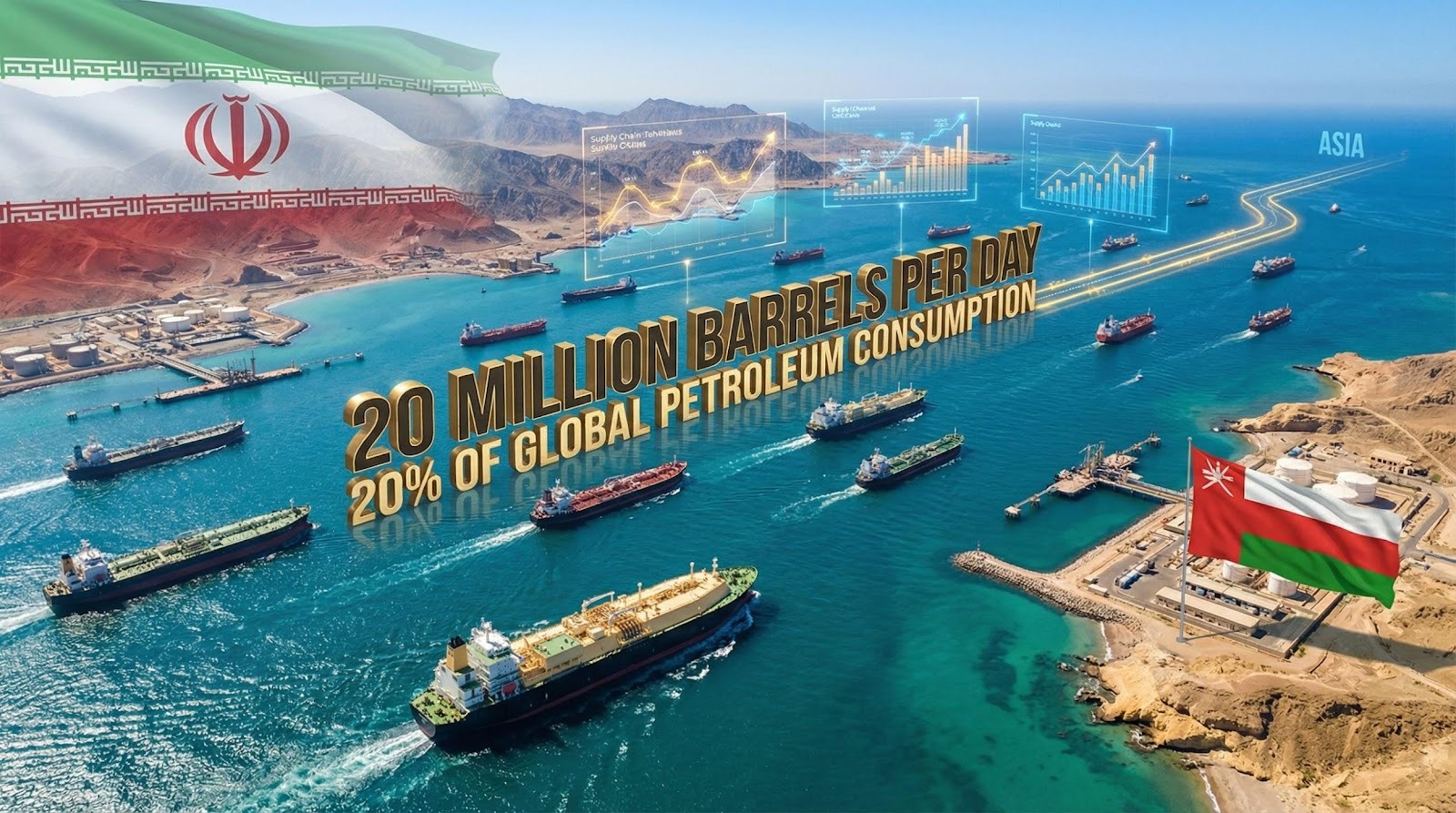
The Strait of Hormuz is a narrow maritime passage linking the Persian Gulf with the Gulf of Oman and the wider Indian Ocean. Despite its limited width, the strait handles roughly one-fifth of global oil shipments and significant volumes of liquefied natural gas. Any disruption to traffic through this corridor immediately affects global energy supplies and investor confidence.
The current crisis began escalating following military confrontations involving Iran and a coalition involving the United States and Israel. Military strikes and retaliation across the region increased tensions and raised fears that the shipping lane could be partially or fully blocked. As tensions grew, shipping traffic declined sharply and many vessels delayed or canceled their journeys due to safety concerns.
Because such a large portion of global oil supply passes through the strait, even partial disruptions quickly translate into higher prices and uncertainty in energy markets.
Oil Prices Surge and Markets React
Energy markets were among the first to react to the escalating by leverage trading through this crisis. Oil prices climbed dramatically as traders priced in the risk of prolonged disruptions. At one point, Brent crude surged above $100 per barrel, reaching levels not seen in several years.
Analysts warn that prices could climb even higher if shipping through the strait remains constrained. Some projections suggest that oil could reach $120 or even higher should the crisis persist for several months.
Such price spikes immediately impact other sectors of the economy. Higher crude prices increase transportation costs, push up energy bills, and raise production expenses for industries that rely heavily on fuel and petrochemicals. These pressures can lead to broader inflation across global markets.
Financial markets reacted quickly to the news. Major stock indices experienced sudden declines as investors moved away from riskier assets. In the United States, for example, stock markets dropped sharply amid fears of prolonged energy disruption and geopolitical escalation.
One of the Largest Oil Supply Disruptions in Years
According to international energy analysts, the conflict has triggered one of the most significant disruptions in oil supply in recent history. The reduction in exports from the Persian Gulf could remove several million barrels of oil per day from global markets if the situation worsens.
In response, governments and energy organizations have begun releasing strategic petroleum reserves to stabilize supply and calm markets. These reserves are designed to provide temporary relief during supply shocks. However, they cannot fully compensate for prolonged disruptions if shipping lanes remain unsafe or blocked.
Meanwhile, oil-producing nations are exploring alternative export routes. Some Gulf countries have redirected shipments through pipelines or ports located outside the strait in an attempt to bypass the crisis zone. Nevertheless, these routes have limited capacity compared with the normal shipping volume through Hormuz.
Shipping and Insurance Costs Skyrocket
Beyond oil prices, the crisis has also caused major disruption in global shipping markets. Maritime insurers have increased war-risk premiums for vessels traveling through the Persian Gulf, making it significantly more expensive for companies to operate in the region.
Without affordable insurance coverage, shipping companies face enormous financial risks if vessels are damaged or seized. As a result, many tankers have either anchored outside the strait or rerouted shipments through longer and more expensive routes.
These developments have caused freight rates to spike and disrupted global logistics chains. Energy importers in Asia and Europe are particularly vulnerable because they depend heavily on oil transported through the region.
Ripple Effects Across Global Markets
The Hormuz crisis is not only an energy story—it is also a financial one. Commodities, currencies, and equity markets have all reacted to the uncertainty.
Energy-importing countries are seeing their currencies weaken as higher oil prices increase trade deficits. Emerging markets that rely heavily on imported fuel are especially vulnerable to these shocks.
At the same time, investors are shifting capital toward traditional safe-haven assets such as gold, government bonds, and defensive stocks. This pattern reflects a classic market reaction to geopolitical instability.
Another concern raised by economists is the possibility of stagflation—a combination of rising inflation and slowing economic growth. If energy costs remain elevated for an extended period, businesses may reduce production while consumers face higher prices, creating a challenging environment for policymakers.
Global Supply Chains at Risk
The Strait of Hormuz crisis also highlights the fragility of global supply chains. Modern economies depend heavily on stable trade routes, and disruptions at a single chokepoint can quickly affect industries worldwide.
In addition to oil and gas, the region handles large volumes of petrochemical products and fertilizers used in agriculture. If shipping delays continue, shortages in these materials could affect manufacturing and food production in multiple regions.
Airlines, shipping companies, and logistics firms are already facing rising fuel costs, which may translate into higher transportation prices for goods and passengers alike.
What Happens Next?
The future of global markets now depends largely on how the geopolitical situation evolves. If diplomatic negotiations reduce tensions and restore safe passage through the strait, oil prices could stabilize and markets may recover relatively quickly.
However, a prolonged conflict or full closure of the waterway would likely trigger even more severe economic consequences. Energy shortages, inflation, and volatile financial markets could become defining features of the global economy in the months ahead.
For investors and policymakers alike, the Hormuz crisis serves as a powerful reminder: in an interconnected world, geopolitics and markets remain deeply intertwined. A conflict in a narrow stretch of water thousands of kilometers away can reshape global financial conditions almost overnight.