




















![5 Best CFD Brokers for Beginners [UK, 2026]](https://todaynews.co.uk/wp-content/uploads/2026/03/Invest-360x180.jpg)



























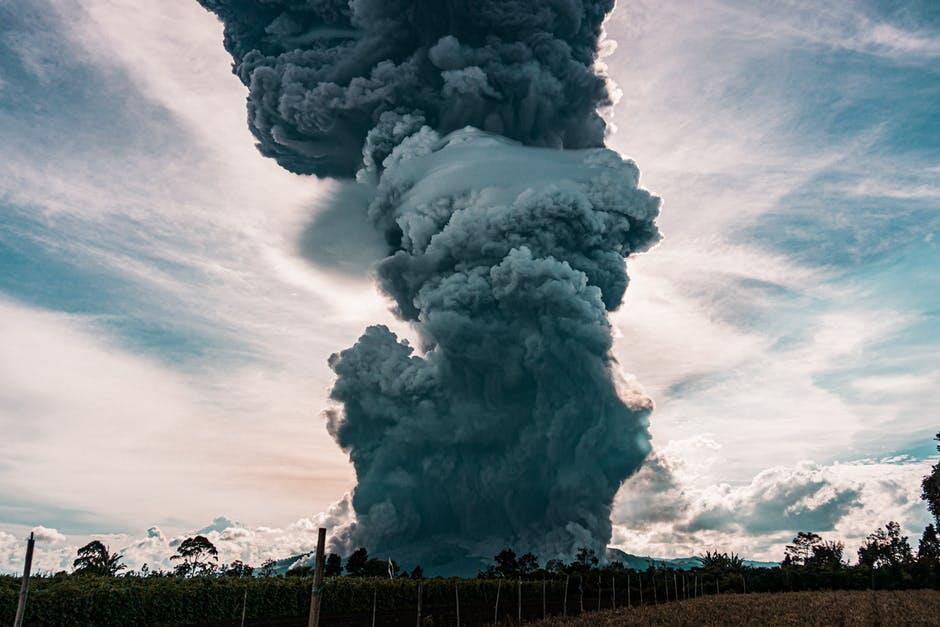
Have you ever wondered why companies must control the smoke that comes out of their equipment?
Smoke from factories and businesses can harm the air. It can also affect the health of workers and nearby communities. Many governments create laws to control smoke emissions from businesses. These laws help keep the environment safe and clean. Environmental rules explain how much smoke is allowed and how it should be monitored.


If your business uses machines that release smoke, it is important to understand these laws. Start learning today and take action to keep your business compliant and environmentally responsible.
Why Smoke Emission Laws Matter
Environmental smoke laws protect the air. Clean air is important for people, animals, and plants. Too much smoke can cause pollution and health problems. It can also damage the environment over time.
These laws also hold businesses accountable. Companies must follow rules to reduce confusion on harmful emissions. When businesses follow the rules, they help protect public health. They also avoid penalties and legal trouble.
Common Rules Businesses Must Follow
Many countries have strict rules for smoke emissions. Businesses must check the smoke coming from their equipment. They must make sure the smoke does not go beyond the allowed limits. Regular monitoring is often required.
Companies may also need permits before operating certain machines. These permits show that the business meets environmental standards. Inspections are also common. Government agencies may visit facilities to check compliance.
Monitoring Smoke Opacity
Smoke opacity refers to how thick or dark the smoke is. Dark smoke usually means there are too many pollutants in the air. Because of this, regulators use opacity tests to measure emissions. These tests help determine if a business follows the law.
Many companies train staff to perform visual inspections. Workers learn how to estimate smoke opacity using approved methods. Training helps ensure accurate reporting and proper monitoring.
Importance of Staff Training
Training is a key part of compliance. Employees must understand how to measure smoke levels. They must also know how to report problems quickly. Without proper training, businesses may struggle to follow the rules.
Many companies choose certified training programs. These programs teach workers how to evaluate emissions correctly. Businesses that follow smoke school certification requirements can improve their monitoring process and stay within legal limits.
Penalties for Violating Smoke Laws
Businesses that ignore environmental laws can face serious consequences. Governments may issue fines or penalties. In some cases, companies may be forced to stop operations. These actions protect the public from harmful pollution.
Violations can also damage a company’s reputation. Customers and partners may lose trust in businesses that pollute the environment. Following environmental laws helps companies avoid these problems.
Learn More About Smoke Emissions in Businesses
Environmental laws that limit smoke emissions play an important role in protecting the planet. They help reduce pollution and improve air quality. Businesses must follow these rules to operate responsibly. When businesses work to reduce smoke emissions, everyone benefits from cleaner and healthier air.
Did you enjoy reading this article? If so, then be sure to check out the rest of our blog for more!