




















![5 Best CFD Brokers for Beginners [UK, 2026]](https://todaynews.co.uk/wp-content/uploads/2026/03/Invest-360x180.jpg)






























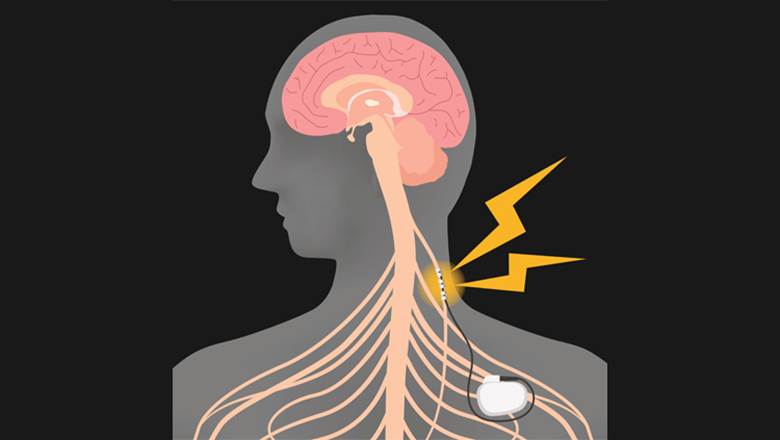
The vagus nerve is one of the most important nerves in the human body. It plays a major role in controlling several vital functions such as heart rate, digestion, breathing, and the body’s stress response. When this nerve becomes irritated or compressed, it can lead to various health issues. Two commonly searched topics related to this nerve are vagus nerve stimulation device and a pinched vagus nerve in the neck. Understanding both can help people manage symptoms and improve overall nerve health.
In this article, we will explore what the vagus nerve is, how a pinched vagus nerve in the neck occurs, its symptoms, and how a vagus nerve stimulation device can help treat certain conditions.


What Is the Vagus Nerve?
The vagus nerve is the longest cranial nerve in the body. It starts in the brainstem and travels down through the neck, chest, and abdomen. This nerve is part of the parasympathetic nervous system, which controls the body’s “rest and digest” functions.
The vagus nerve helps regulate several important processes, including:
- Heart rate
- Digestion
- Breathing
- Blood pressure
- Mood and stress response
- Immune system function
Because the vagus nerve runs through the neck, it can sometimes become compressed or irritated in that region.
What Is a Pinched Vagus Nerve in the Neck?
A Pinched vagus nerve in the neck occurs when surrounding tissues such as muscles, bones, or inflamed structures place pressure on the nerve. This compression can interfere with the nerve’s ability to send signals between the brain and the body.
Although it is less common than other pinched nerves, vagus nerve compression can cause a wide range of symptoms because the nerve affects multiple organs.
Causes of a Pinched Vagus Nerve in the Neck
Several factors may contribute to a pinched vagus nerve in the neck. These include:
1. Neck Injuries
Whiplash, sports injuries, or accidents can lead to inflammation and nerve compression in the neck.
2. Poor Posture
Long periods of looking down at phones or computers can strain neck muscles and potentially compress nearby nerves.
3. Cervical Spine Problems
Conditions like herniated discs or cervical arthritis can place pressure on nerves in the neck region.
4. Muscle Tightness
Chronic muscle tension in the neck and shoulders may irritate the vagus nerve.
5. Inflammation
Infections or inflammatory conditions can cause swelling around nerve pathways.
Symptoms of a Pinched Vagus Nerve in the Neck
Because the vagus nerve controls many body functions, the symptoms can vary from person to person. Common symptoms include:
- Neck pain or discomfort
- Dizziness or lightheadedness
- Difficulty swallowing
- Irregular heartbeat
- Digestive issues
- Anxiety or mood changes
- Fatigue
- Headaches
Some people may also experience fainting episodes due to vagus nerve involvement in blood pressure and heart rate regulation.
If symptoms are severe or persistent, medical evaluation is recommended.
What Is a Vagus Nerve Stimulation Device?
A vagus nerve stimulation device (VNS device) is a medical device designed to stimulate the vagus nerve using electrical impulses. It is typically implanted under the skin in the chest, with a wire connected to the vagus nerve in the neck.
The device sends small electrical signals to the nerve at regular intervals, helping regulate abnormal brain or nerve activity.
Originally developed for neurological conditions, vagus nerve stimulation has become an important treatment option in modern medicine.
Conditions Treated With Vagus Nerve Stimulation Devices
Doctors may recommend a vagus nerve stimulation device for certain medical conditions when other treatments have not been effective.
1. Epilepsy
Vagus nerve stimulation can reduce the frequency and severity of seizures in people with treatment-resistant epilepsy.
2. Depression
For patients with severe depression that does not respond to medication, VNS therapy may help improve mood regulation.
3. Migraine and Headaches
Some non-invasive VNS devices are used to help manage chronic migraines.
4. Inflammatory Disorders
Researchers are exploring how vagus nerve stimulation may help reduce inflammation in conditions such as rheumatoid arthritis.
Types of Vagus Nerve Stimulation Devices
There are two main types of VNS devices.
1. Implanted VNS Devices
These are surgically implanted under the skin and connected directly to the vagus nerve. They provide continuous stimulation and are commonly used for epilepsy and depression.
2. Non-Invasive VNS Devices
These devices stimulate the vagus nerve externally through the skin, usually around the neck or ear. They are portable and used for headaches, stress, and other conditions.
Treatment Options for a Pinched Vagus Nerve in the Neck
Treating a pinched vagus nerve in the neck depends on the underlying cause. Some common treatment options include:
Physical Therapy
Exercises and stretching can relieve pressure on neck nerves and improve posture.
Massage Therapy
Massage may help reduce muscle tension that contributes to nerve compression.
Anti-Inflammatory Medications
Doctors may prescribe medications to reduce inflammation and pain.
Posture Correction
Improving sitting and sleeping posture can reduce stress on the neck.
Stress Management
Since the vagus nerve is involved in the stress response, relaxation techniques like deep breathing and meditation may help support nerve health.
Natural Ways to Stimulate the Vagus Nerve
Many simple techniques may help activate the vagus nerve naturally:
- Deep breathing exercises
- Cold exposure (such as splashing cold water on the face)
- Yoga and stretching
- Meditation
- Humming or singing
These activities can stimulate vagus nerve activity and support overall nervous system balance.
When to See a Doctor
If you experience persistent symptoms such as severe neck pain, fainting, difficulty swallowing, or irregular heartbeat, it is important to consult a healthcare professional. A proper diagnosis can determine whether a pinched vagus nerve or another condition is responsible.
Early treatment can prevent complications and improve recovery.
Conclusion
The vagus nerve plays a vital role in maintaining many essential body functions. A pinched vagus nerve in the neck can lead to a variety of uncomfortable symptoms affecting the heart, digestion, and nervous system. Fortunately, treatments ranging from physical therapy to advanced solutions like vagus nerve stimulation devices can help manage symptoms and restore nerve function.
By understanding the causes, symptoms, and treatment options, individuals can take proactive steps to protect their nerve health and improve their overall well-being.